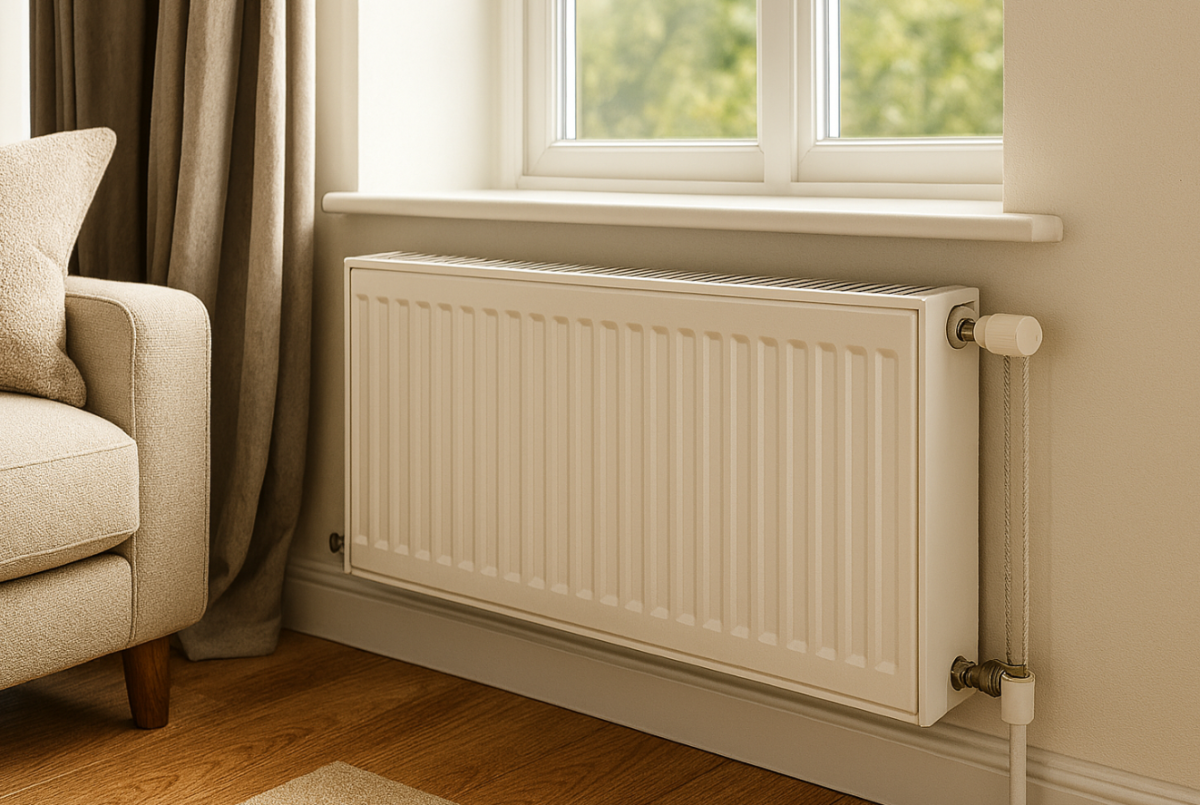
There’s a variety of central heating systems available, each designed to meet your specific needs and preferences. Understanding the different types can help you make informed decisions for maintaining comfort in your home. From traditional boilers to modern heat pumps, knowing the options allows you to choose the most efficient and reliable system for your space. In this post, we’ll explore the four primary types of central heating systems and their unique benefits.
Overview of Central Heating Systems
Central heating systems are important for maintaining a comfortable indoor environment during colder months. They provide consistent warmth by distributing heat from a central source across various spaces in your home. Understanding the different types of systems available—each with unique benefits—allows you to make informed choices for improved energy efficiency and cost savings.
Definition and Purpose
A central heating system consists of a network designed to heat multiple rooms from a single heat source. Its primary purpose is to ensure your living space remains warm and comfortable, regardless of the outdoor temperature. Through efficient heat distribution, these systems can enhance your home’s livability and overall energy performance.
Importance of Choosing the Right System
Choosing the right central heating system impacts your comfort, energy bills, and environmental footprint. Each type offers unique advantages regarding installation, efficiency, and operational costs. By evaluating your home’s specific needs, such as size, insulation, and budget, you can select a system that optimizes heating while minimizing expenses.
Different heating systems vary significantly in their installation costs, maintenance needs, and energy sources—gas, electric, or renewable options. For instance, a gas boiler may offer lower running costs compared to electric systems but can come with higher initial installation fees. In contrast, investing in a heat pump may reduce energy use over time, depending on your local climate. Evaluating these factors can lead you to a system that not only fulfills your heating needs but also respects your financial and environmental goals.
Types of Central Heating Systems
Understanding various central heating systems can help you make an informed decision for your home. The following systems cater to different heating needs and preferences:
- Boilers
- Furnaces
- Heat Pumps
- Radiant Heating
The range of options ensures that you find a suitable system for your specific requirements.
| Boilers | Utilize water to generate heat and circulate it through pipes. |
| Furnaces | Heats air and distributes it through ducts. |
| Heat Pumps | Transfers heat between the indoors and outdoors. |
| Radiant Heating | Uses heated surfaces to warm the air in a room. |
Boilers
Boilers are highly efficient systems that heat water and distribute it as steam or hot water. This method allows for even heating across your home. Many modern boilers can achieve 90% efficiency or higher, significantly reducing energy bills. Depending on your system type, you may opt for gas, oil, or electric-powered boilers to fit your needs.
Furnaces
Furnaces are designed to heat air and circulate it throughout your home via ductwork. They can operate on various fuel types, including gas, oil, or electricity. Generally, furnaces achieve high efficiency ratings and can be finely tuned to ensure consistent comfort amidst varying outdoor temperatures.
With a furnace, you enjoy rapid heating, which is beneficial during harsh winter months. The system offers different models, including conventional and high-efficiency units, providing options that suit your budget and energy goals.
Heat Pumps
Heat pumps work by transferring heat rather than generating it directly, making them an energy-efficient option for heating and cooling your home. They can extract heat from the air, ground, or water, and use it to warm your living spaces effectively. Depending on climate conditions, specific types of heat pumps may perform better.
In milder climates, air-source heat pumps offer efficient heating, while ground-source heat pumps provide stability in extreme temperatures. The versatility means your system can be catered to year-round needs, often leading to considerable savings on energy bills.
Radiant Heating
Radiant heating systems provide warmth directly to floors or walls, achieving a uniform heat distribution. This approach often involves hydronic systems that circulate heated water through tubes or electric systems installed beneath flooring. The result is a cozy environment without the drafts common with traditional systems.
In addition to comfort, radiant heating can enhance energy efficiency by allowing lower thermostat settings since heat is emitted evenly. It’s particularly effective in homes with tile or concrete floors, where the system operates silently, making it a desirable choice for modern living spaces.
Comparison of Heating Systems
| Heating System | Features |
|---|---|
| Gas Central Heating | Efficient, quick heating, lower running costs. |
| Electric Heating | Simple installation, but higher energy costs. |
| Oil Central Heating | Good for rural areas, fluctuating oil prices. |
| Heat Pumps | Eco-friendly, significant installation costs. |
Efficiency
When evaluating heating systems, efficiency plays a critical role in your energy bills. Gas central heating typically outperforms electric systems in efficiency, while heat pumps offer substantial energy savings in milder climates. Electric heating might be convenient, but it tends to be less energy-efficient, impacting your overall costs.
Cost
Your initial investment and ongoing expenses can vary significantly among heating systems. Gas boilers might have a higher upfront cost but can lower your monthly energy bills, unlike electric systems that usually result in increased expenses over time due to energy prices.
For example, installing a gas central heating system may cost around £3,000-£5,000, whereas electric heating solutions can be lower in installation cost yet may lead to monthly bills that exceed £100, especially during the winter months. In contrast, oil systems can cost up to £4,500 initially and present variable fuel prices. Heat pumps often necessitate higher initial investments of £8,000-£12,000, but they can significantly reduce your energy bills in the long term, especially in well-insulated homes.
Maintenance
Regular maintenance is vital for optimal performance and longevity of your heating system. Gas central heating systems require annual checks by a certified technician to ensure safety and efficiency, while electric systems typically demand less maintenance.
Neglecting maintenance on gas boilers can lead to serious safety hazards, including carbon monoxide leaks. Conversely, electric heating systems, though easier to maintain, can suffer from issues like system overheating if not regularly checked. It’s important to factor in these maintenance needs when assessing the lifetime costs and reliability of any heating system in your home.
Selecting the Right System for Your Home
Choosing the appropriate central heating system for your home involves assessing your specific needs and preferences. Factors such as the layout of your home, available energy sources, and budget will influence your decision. Each system has its advantages and challenges, ensuring there’s a suitable option for every household.
Factors to Consider
When choosing a heating system, consider the following:
- Size of your home
- Energy efficiency ratings
- Installation and maintenance costs
- Fuel availability in your area
- Your personal comfort preferences
Recognizing these factors will help identify the most effective heating solution for your living space.
Professional Consultation
Engaging a professional can provide valuable insights as you navigate your heating options. Specialists can assess your home’s specific characteristics and recommend the best systems tailored to your needs. They can evaluate factors like insulation quality and existing infrastructure that may influence your heating efficiency.
A professional consultation often includes a detailed analysis of your home and a clear explanation of various systems’ benefits and drawbacks. By examining your current heating setup, professionals can suggest upgrades or alternatives that maximize comfort and energy savings. Access to their expertise ensures you make informed decisions that cater to both your current needs and future challenges, making the investment worthwhile.
Installation and Maintenance
Proper installation and regular maintenance of your central heating system ensure optimal performance and longevity. Skilled professionals should handle the initial setup to guarantee that all components are correctly integrated and functioning efficiently. Neglecting maintenance can lead to unforeseen breakdowns and costly repairs that could have been avoided with routine care.
Installation Process
The installation process typically involves assessing your space and selecting the appropriate system based on your heating needs. After that, layout planning ensures efficient piping and placement of radiators or vents. Qualified technicians will then install the system, ensuring all connections are secure and that controls and thermostats are calibrated correctly for efficient operation.
Regular Maintenance Tips
- Schedule annual system inspections.
- Inspect and replace filters regularly.
- Bleed your radiators to release trapped air.
- Check thermostat accuracy to ensure optimal settings.
- Assume that regular upkeep enhances system longevity.
Regular maintenance not only keeps your system running efficiently; it also identifies potential issues before they escalate into significant problems. Keeping a log of service dates and any repairs will assist you in staying organized. Consistently checking for signs of wear and tear can prevent catastrophic failures.
- Keep a maintenance log to track service dates.
- Inspect ducts and vents for blockages or damage.
- Ensure proper insulation to maintain heating efficiency.
- Evaluate your system’s performance regularly.
- Assume that preventative measures save money in the long run.
Benefits of Modern Central Heating Systems
Modern central heating systems offer a range of benefits that enhance both comfort and efficiency in your home. With advancements in technology, these systems not only provide consistent warmth but also contribute to energy savings, helping you lower your utility bills and reduce your carbon footprint. You’ll find that features such as programmable thermostats and smart controls allow for more personalized heating options, making your living environment more enjoyable and cost-effective.
Energy Efficiency
Energy efficiency is a hallmark of contemporary central heating systems. By utilizing advanced technologies, such as condensing boilers or heat pumps, these systems can operate using significantly less fuel compared to older models. You could save up to 30% on heating costs simply by upgrading your equipment, which in turn reduces greenhouse gas emissions and supports environmental sustainability.
Comfort and Convenience
With respect to comfort, modern central heating systems excel by providing consistent and even warmth throughout your living spaces. Smart controls enable you to set schedules, adjust temperatures remotely, and create zones in your home for customized heating. This means you’ll enjoy customized comfort tailored to your preferences and lifestyle, enhancing your overall living experience.
With features like smart thermostats and zone heating capabilities, you can easily control temperatures in specific areas of your home. This flexibility not only maximizes comfort but also promotes energy savings by allowing you to heat only the rooms you use. Furthermore, many modern systems include Wi-Fi connectivity, letting you adjust your home’s heating from anywhere, ensuring a warm welcome when you arrive home. Such conveniences transform your central heating experience from a basic necessity into a seamless part of your daily life.
Conclusion
From above, you have learned that the four types of central heating systems—steam, hot water, forced air, and electric—each offer distinct advantages and operational methods tailored to your needs. Understanding these systems allows you to select the most efficient option for your home, ensuring comfort and effective energy use. By evaluating your specific requirements and preferences, you can make an informed decision that enhances your living space.