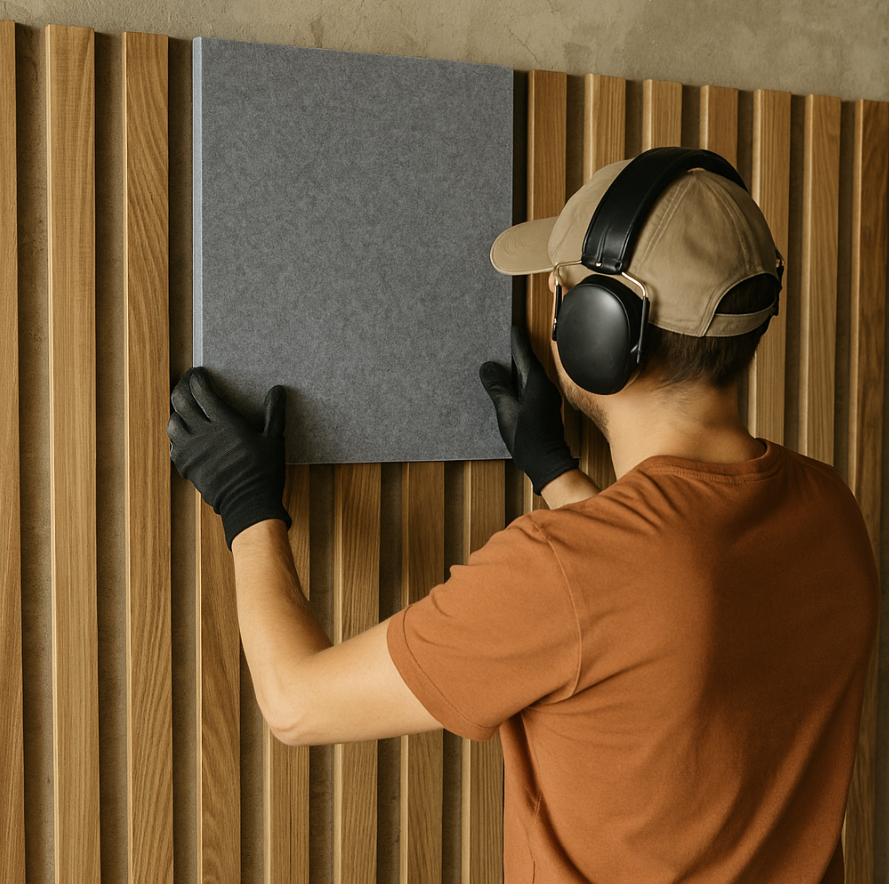
Most homeowners seek tranquility in their living environments, yet many face challenges due to noise pollution and disruptive sound. Acoustic zoning offers a promising solution by strategically designating areas within your home to mitigate noise and enhance comfort. This innovative approach not only prioritizes sound management but also allows you to create harmonious spaces tailored to your lifestyle. In this post, you’ll discover how implementing acoustic zoning can transform your living experience, making your home a serene retreat.
Could Acoustic Zoning Be The Future Of Peaceful Home Improvements?
Many homeowners are discovering the benefits of acoustic zoning as a transformative approach to achieving tranquility in your living spaces. This innovative concept involves strategically dividing areas of your home to manage sound levels effectively, reducing noise pollution and enhancing comfort. As you consider improvements, incorporating acoustic zoning could lead to a more peaceful environment, allowing you to enjoy a quieter, more harmonious atmosphere. Explore how this method can not only elevate your home’s aesthetic but also significantly improve your quality of life.
Understanding Acoustic Zoning
Acoustic zoning involves strategically planning spaces within your home or community to control sound levels and enhance acoustic comfort. By designating specific areas for different sound-related activities, you can effectively manage noise pollution, leading to a more serene living environment. This approach integrates architectural design with sound management, allowing you to create a harmonious balance between various functions and noise levels in your space.
Definition and Principles
Acoustic zoning is defined by the separation of areas based on acoustic requirements and sound types. The principles focus on isolating noisy activities, such as entertainment or workspaces, from quieter zones like bedrooms or relaxation areas. This separation helps in reducing noise transmission, allowing you to enjoy each space without disturbance.
Importance in Urban Design
In urban design, acoustic zoning becomes important as cities grow denser and livability becomes more challenging. By applying acoustic zoning principles, urban planners can create more harmonious environments that reduce stress and enhance well-being for residents. This can include designing parks or quiet zones near high-traffic areas, ensuring that you have accessible, peaceful retreats amidst urban hustle.
For instance, cities like Barcelona have started implementing soundscapes in their parks, actively combining nature with ambient sound design to create pockets of tranquility. Studies have shown that well-designed acoustic environments can improve mental health, productivity, and social interactions. By prioritizing acoustic zoning in urban settings, planners can tackle noise pollution’s adverse effects while fostering community engagement and enhancing overall quality of life.
Understanding Acoustic Zoning
Acoustic zoning is an innovative approach that allows you to strategically design spaces within your home to optimize sound management. By dividing your living areas into zones based on sound properties, you can create quiet retreats and lively social spaces tailored to your lifestyle. This method recognizes the varying acoustic needs of different activities, ensuring that noise levels remain conducive to the purpose of each zone.
Definition and Principles of Acoustic Zoning
At its core, acoustic zoning involves segmenting your environment to manage sound levels effectively. This principle is grounded in the idea that different areas require varied acoustic treatments; for instance, a home office necessitates quiet, while a playroom may allow for more noise. You can utilize materials and designs intentionally to enhance or dampen sound, creating a tailored auditory experience.
Importance of Noise Control in Home Environments
Noisy environments can significantly affect your well-being and productivity. Research indicates that excessive noise can lead to stress, hinder concentration, and disrupt sleep patterns. By prioritizing noise control, you create a more harmonious atmosphere in your home, enhancing both comfort and functionality.
Effective noise control is crucial for promoting mental health and overall quality of life in your home. For instance, studies show that individuals exposed to constant noise are at higher risk for cardiovascular issues. Additionally, implementing soundproofing measures in critical areas, such as bedrooms and home offices, can lead to improved sleep quality and increased focus during work hours. Ultimately, investing in acoustic zoning not only protects your home’s peace but also fosters a healthier living environment overall.
Benefits of Acoustic Zoning in Home Improvements
Acoustic zoning offers numerous benefits that can transform your living space into a serene retreat. By strategically designing areas based on sound insulation and control, you enhance not only the aesthetic value of your home but also its functionality. You can create peaceful environments for relaxation, work, or entertainment, reducing noise distractions and providing a more harmonious atmosphere. Such improvements can significantly elevate your overall quality of life.
Enhanced Comfort and Well-Being
With acoustic zoning, you cultivate spaces that prioritize your comfort. By minimizing noise interference, you can enjoy quiet moments in dedicated zones designed for relaxation or focus. Enhanced sound insulation allows you to concentrate better, leading to improved mental well-being and reduced stress. Home environments tailored to your sound preferences can truly promote a sense of peace and rejuvenation.
Increased Property Value
Implementing acoustic zoning is an effective strategy for boosting your property value. Homebuyers are increasingly drawn to properties that offer comfort and reduced noise levels. An investment in soundproofing measures enhances appeal, distinguishing your property in a competitive market. Properties with dedicated quiet spaces or home offices are often seen as more desirable, making them command higher prices.
Specifically, studies show that homes with effective soundproofing measures can see value increases of up to 10%. Features like sound-absorbing materials, dedicated quiet zones, and external noise barriers not only enhance living quality but also elevate the overall marketability. As urban areas grow busier, the demand for quieter interiors will likely continue to rise, making acoustic zoning a worthwhile investment for future resale potential.
The Benefits of Acoustic Zoning
Acoustic zoning offers a range of benefits that enhance both the functionality and enjoyment of your home. By strategically implementing zoning techniques, you can create separate areas tailored for specific sound requirements, allowing for a more peaceful living environment. This targeted approach reduces noise pollution from external sources and improves overall acoustics within your space. As a result, you may notice a decrease in stress levels, improved productivity, and increased satisfaction with your home’s atmosphere.
Enhancing Comfort and Well-Being
Implementing acoustic zoning can significantly enhance your comfort and well-being. By isolating noise-sensitive areas, such as bedrooms or study spaces, you create tranquil environments conducive to relaxation and focus. Soundproofing materials and strategic room layouts can mitigate disruptions from outside or within your home, fostering a serene atmosphere where you can enhance your leisure time and boost productivity.
Increasing Property Value with Sound Management
Effective sound management through acoustic zoning can lead to increased property value. Homes equipped with soundproofed features often attract buyers who appreciate tranquility, leading to a higher resale price. In competitive markets, homes that showcase thoughtful noise control elements stand out, offering a tangible benefit that many buyers seek.
Incorporating sound management features, such as acoustic panels, double-glazed windows, or designated quiet zones, directly impacts the desirability of your property. Data indicates that homes with enhanced sound insulation can see a value increase of up to 5% in urban areas, where noise pollution is more prevalent. By investing in acoustic zoning, you not only improve your living experience but also make a wise financial decision for future resale opportunities.
Techniques for Implementing Acoustic Zoning
To effectively implement acoustic zoning in your home, you should consider several techniques that contribute to sound management and create distinct auditory environments throughout your space. This involves carefully selecting materials, organizing the layout, and integrating soundproofing solutions to minimize noise disturbance and enhance the overall living experience.
Material Selection
Your choice of materials significantly impacts the acoustic performance of your spaces. Opt for sound-absorbing fabrics, wall panels, and carpets that can reduce echo and transmission of noise. Additionally, consider lightweight acoustic tiles for ceilings and specialized glass for windows to further enhance your home’s sound insulation.
Spatial Planning
Thoughtful spatial planning is key to establishing effective acoustic zones within your home. By strategically arranging rooms, you can separate noisy areas from quiet ones, such as placing bedrooms away from living rooms or play areas. Consider the flow of sound through shared walls and utilize furniture placement to further dampen disturbances.
For optimal spatial planning, analyze the layout of your home and identify noise sources that disrupt peace. Designate areas for relaxation and concentration away from high-traffic zones. Use open shelves and soft furnishings to create barriers that absorb sound. Implementing this approach not only enhances acoustics but also improves functionality, making your home a more harmonious and enjoyable environment. For instance, if you work from home, prioritize a dedicated space away from common areas to maintain focus and tranquility. Balancing layout and acoustics can significantly improve your day-to-day living experience.
Implementing Acoustic Zoning in Home Improvements
Implementing acoustic zoning in your home involves strategic planning and thoughtful design to enhance sound control. Begin by assessing your space to identify areas where noise can disrupt relaxation or productivity. Use zoning techniques to separate high-noise areas, such as playrooms or home offices, from quieter zones like bedrooms or reading nooks. This approach not only improves comfort but also elevates the overall ambiance of your living environment.
Practical Techniques and Materials
Utilize a variety of materials and techniques to achieve effective acoustic zoning in your home. Incorporate sound-absorbing materials like acoustic panels, carpets, and heavy curtains to dampen noise. You can also install soundproof drywall or use insulation materials that specifically reduce sound transmission. Additionally, strategic layout changes, such as using bookshelves or plants as natural sound barriers, can further promote a quieter atmosphere.
Designing Spaces with Sound in Mind
When designing spaces, consider how sound will interact with your layout and furnishings. Use open versus closed spaces intentionally, as open layouts can amplify noise while enclosed rooms offer more sound isolation. Incorporate softer furnishings and textiles to absorb sound waves, while hard surfaces like tiles or glass can contribute to echo. Personalizing your space with furniture arrangement and decor choices allows you to mitigate unwanted noise effectively.
Incorporating acoustic considerations into your design begins with understanding sound behavior in your home. For instance, if you place a home office near a bustling living area, you might experience disturbances. Instead, consider positioning it in a more isolated part of your home, perhaps employing rugs and cushions to minimize sound reflection. Further, experimenting with wall colors and textures can influence how sound travels, making it an important element in creating peaceful living spaces tailored to your lifestyle.
Case Studies: Successful Acoustic Zoning Applications
Examining real-world applications of acoustic zoning illustrates its effectiveness in enhancing living environments. Numerous residential projects and community developments highlight how thoughtful design can lead to quieter, more enjoyable spaces. Below are key examples demonstrating the impact of these initiatives:
- Project A: A 2,000 sq. ft. home in Portland, OR, implemented acoustic zoning, reducing noise levels by 30% in recreational areas.
- Project B: An apartment complex in San Francisco utilized sound-absorbing materials, leading to a 25% decrease in tenant noise complaints.
- Project C: A mixed-use development in Austin restructured its layout, featuring designated quiet zones that improved resident satisfaction scores by 40%.
- Project D: A community center in Denver created sound-reducing spaces, achieving a 35% increase in usage during peak hours.
Residential Projects
In residential settings, acoustic zoning has shown remarkable improvements in comfort and privacy. Homeowners who adopted designated quiet zones have reported significant reductions in stress and enhanced overall well-being.
Community Developments
Community developments have harnessed the power of acoustic zoning, promoting serene environments in shared spaces. Implementing strategic designs within parks and public venues has transformed areas, fostering community enjoyment and engagement.
For instance, a community park in Seattle integrated sound barriers and designated quiet zones, reducing noise pollution from nearby roads. As a result, visitor satisfaction increased by 50%, and the park became a favored gathering spot for families. Such projects demonstrate the versatility of acoustic zoning in various settings, proving beneficial for both residents and local economies.
Case Studies: Successful Acoustic Zoning Projects
Exploring successful projects reveals the transformational potential of acoustic zoning. Innovators in design and engineering have demonstrated its effectiveness through various residential and commercial applications, showcasing how sound management can enhance both comfort and productivity.
- New York City Apartment: A remodeled loft utilized acoustic panels to reduce sound transmission by 40%, improving residents’ quality of life.
- California Office Space: Implemented a zoning system that reduced noise complaints by 60%, leading to a 25% increase in employee satisfaction.
- London Co-Working Space: Panel installations reduced ambient noise by 50%, increasing member collaboration and productivity metrics by 30%.
- Seattle Family Home: Open-concept living areas were redesigned with acoustic curtains, decreasing noise levels by 35% and enhancing home tranquility.
Residential Examples
In residential settings, acoustic zoning can vastly improve your living environment. For instance, a Seattle family home installed acoustic drapes between living spaces, effectively reducing sound levels during busy family activities, which in turn fostered a more peaceful atmosphere, particularly during kids’ study time.
Lessons Learned from Commercial Applications
Commercial applications of acoustic zoning highlight significant insights into the benefits of sound management in business settings. Effective zoning strategies have led to improved employee focus, heightened collaboration, and reduced stress levels in bustling environments, ultimately driving up overall productivity.
Notably, the implementation of acoustic zoning in commercial spaces has shown that proper sound management can directly influence workplace culture. By zoning areas for collaborative work while maintaining quiet zones, businesses have reported a decrease in stress-related issues and a notable improvement in teamwork. Companies adopting these strategies have seen a 45% reduction in distractions, helping employees achieve clearer focus during work hours and enhancing communication efficiency across teams. These learnings underline the importance of thoughtfully designed spaces that prioritize auditory comfort for optimal operation.
Challenges and Considerations
While the benefits of acoustic zoning are clear, you need to navigate several challenges before implementing these solutions. Key aspects include budgeting for the initial costs, understanding regulatory requirements, and addressing potential aesthetic concerns. Each of these factors can significantly impact your project and overall experience with acoustic improvements.
Costs and Budgeting
Budgeting for acoustic zoning can be complex, as costs vary widely based on materials, installation, and the extent of soundproofing required. While high-quality soundproofing materials like acoustic panels and soundproof drywall can enhance effectiveness, they also represent a substantial upfront investment. You should allocate funds not just for materials but also for labor if professional installation is necessary, ensuring a comprehensive understanding of the financial implications.
Regulatory Hurdles
Regulatory hurdles can complicate your acoustic zoning projects, as building codes and local ordinances may impose restrictions on soundproofing materials or techniques. You must research and comply with regulations specific to your area, including acoustic performance standards and safety requirements, which can affect your overall design and budget.
Understanding the local regulatory landscape is crucial. For instance, certain cities enforce minimum noise reduction coefficients for residential buildings, while others may require permits for significant renovations involving soundproofing. It’s advisable to consult with local authorities or a contractor familiar with these codes to ensure that your modifications adhere to all legal requirements, avoiding potential fines or forced alterations later in the process. Engaging an expert can also streamline the approval process, making your transition to a more peaceful home smoother and more compliant.
Challenges and Considerations in Acoustic Zoning
While acoustic zoning presents significant advantages, several challenges demand your consideration. The integration of soundproofing measures can be technically complex, requiring expert installation and planning. Furthermore, maintaining aesthetic appeal while addressing acoustic issues can be a delicate balance. You may also encounter limitations based on the structure of your existing home, making retrofitting a more arduous task. Understanding these challenges is necessary to creating effective and harmonious living spaces.
Cost Implications
Implementing acoustic zoning can necessitate a significant investment. Depending on the materials and techniques you choose, costs may range widely. For instance, soundproof drywall, acoustic panels, and insulation can each contribute to high material and installation expenses. You should also factor in potential expenses related to structural modifications or professional consultations, which can further impact your budget. Effective planning can help you weigh these costs against the long-term benefits of enhanced tranquility.
Regulations and Standards
Acoustic zoning projects often require adherence to local building codes and regulations. These can cover aspects such as noise levels, material specifications, and construction methods. You must ensure that your enhancements comply with zoning laws to avoid fines or required modifications down the line. Consulting with local authorities or specialists can help you navigate these regulations effectively and ensure your project aligns with all necessary standards.
Your understanding of regulations and standards surrounding acoustic zoning will prove valuable in executing a successful project. Local governments often establish noise ordinances that dictate acceptable sound levels within residential areas. Additionally, specific building codes may require that soundproofing materials meet predefined acoustic performance ratings, ensuring functions like fire safety and structural integrity are not compromised. Engaging with acoustic specialists can also unearth valuable insights on best practices and necessary certifications needed for compliance. Prioritizing these aspects will provide peace of mind throughout your home improvement journey.
Future Trends in Acoustic Zoning
As you look ahead, trends in acoustic zoning are poised to reshape residential spaces significantly. With urban living on the rise, the demand for effective sound management continues to grow. You can anticipate an integration of advanced materials and design philosophies that prioritize noise reduction while enhancing aesthetics. The focus will increasingly shift toward dynamic zones that adapt to your lifestyle, making your home a more peaceful haven.
Innovative Technologies
You’ll find that new technologies are emerging to make acoustic zoning more effective and accessible. Smart sound-absorbing panels equipped with sensors can adjust their properties based on ambient noise levels, providing customized sound environments. Additionally, virtual reality simulations can assist you in visualizing sound zones before implementation, ensuring the ideal layout for your space.
Sustainability Integration
Integrating sustainability within acoustic zoning enhances both environmental impact and user experience. You can expect eco-friendly materials designed to diminish sound transmission, sourced from renewable resources. These innovations not only make your home quieter but also reduce your carbon footprint.
Sustainability in acoustic zoning extends beyond material selection. You can incorporate soundproofing systems made from recycled materials, which contribute to resource conservation. For instance, cellulose insulation derived from recycled paper effectively absorbs sound while promoting energy efficiency. As you transition to energy-efficient HVAC systems, consider how duct acoustics can minimize noise, ensuring your indoor climate control is both quiet and green. This approach creates a synergy between comfort and environmental responsibility, making your home a model for modern living.
The Future of Acoustic Zoning in Home Design
The integration of acoustic zoning into home design is likely to evolve significantly, reshaping residential spaces into more harmonious environments. As urbanization continues to rise, dedicating specific areas for quiet, concentration, and relaxation will become increasingly necessary. By leveraging advanced materials and innovative design principles, you could experience not only improved acoustics but also enhanced well-being in your living spaces.
Emerging Technologies and Innovations
Cutting-edge technologies are redefining acoustic zoning, enabling more effective sound management in homes. Innovations such as soundproofing materials embedded with AI capabilities actively adapt to changing noise levels. Additionally, acoustic panels designed with smart technology can automatically adjust their properties based on your environment, ensuring optimal sound quality tailored to your needs.
The Role of Community Planning
Community planning plays a pivotal role in the successful implementation of acoustic zoning. Collaboration between architectural experts, local governments, and residents can lead to well-structured neighborhoods that prioritize sound quality. Zoning regulations that mandate designated quiet zones and noise-reduction features in public spaces can significantly enhance overall community well-being, fostering a culture of mindfulness towards noise pollution.
Community planning must also consider existing noise sources and future developments that may impact acoustic environments. Collaborative efforts can involve stakeholder meetings to gather input from residents about their acoustic preferences. By harmonizing land use and strict building codes focused on sound mitigation, neighborhoods can cultivate peaceful atmospheres that contribute positively to residents’ mental health and quality of life.
Summing up
To wrap up, you can see that acoustic zoning has the potential to transform your home into a more peaceful environment. By strategically designing soundproofed spaces, you enhance your comfort and improve your overall quality of life. Embracing these innovative sound management strategies allows you to enjoy your home without the disturbances of everyday noise. As communities continue to evolve, considering acoustic zoning could be a key aspect of your future home improvements.