Home Maintenance Vs. Home Improvements – What Homeowners Should Focus On
Maintenance of your home is important for ensuring its longevity and value, but distinguishing it from home improvements can be challenging. While maintenance keeps your property in good working order, improvements enhance its aesthetic appeal and functionality. Understanding the difference between these two aspects can help you allocate your resources effectively, prioritizing tasks that protect your investment while also considering upgrades that may boost your enjoyment and market value. This guide will help you focus on what truly matters for optimal home care.
Understanding Home Maintenance
Home maintenance encompasses the routine activities you perform to preserve the condition and functionality of your property. Regular upkeep includes tasks such as cleaning gutters, servicing HVAC systems, and checking for leaks, all of which contribute to the longevity of your home’s components and systems.
Definition of Home Maintenance
Home maintenance refers to the scheduled upkeep of your home’s structure and systems to ensure they remain in good working order. This includes everything from minor repairs and seasonal tasks to inspections of plumbing, electrical systems, and roofing to prevent larger issues from arising.
Importance of Regular Maintenance
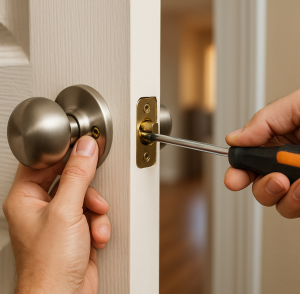
Conducting regular maintenance helps you avoid more extensive and expensive repairs down the line. By staying proactive, you not only extend the lifespan of major systems but also increase your home’s value. For instance, ignoring a small leak can lead to costly water damage and mold growth, which could have been prevented through simple maintenance measures.
Statistics show that homeowners who invest in regular maintenance typically save 1% to 4% of their home’s value each year compared to those who wait until problems escalate. Additionally, properties with well-maintained systems often command higher appraisals, providing a greater return on your investment. Establishing a checklist or schedule for tasks can streamline this process, helping you to stay organized and ensure nothing falls through the cracks.
Exploring Home Improvements
Definition of Home Improvements
Home improvements encompass a range of projects aimed at enhancing your property’s functionality, aesthetics, or value. This can include renovations like kitchen updates, bathroom remodels, or adding energy-efficient features. Unlike routine maintenance, these enhancements usually involve significant upgrades or expansions tailored to your lifestyle and preferences.
Benefits of Upgrading Your Home
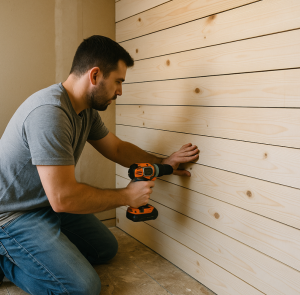
Upgrading your home can yield substantial benefits, including increased property value, enhanced energy efficiency, and improved livability. These projects not only elevate your daily experience but also make your home more appealing to potential buyers, should you decide to sell. Investing in thoughtful improvements may lead to greater enjoyment of your space and a stronger return on investment.
Home improvements can translate into significant financial gains over time. For instance, a minor kitchen remodel can return up to 80% of the investment upon resale, while energy-efficient windows can reduce utility bills by 15% or more. Furthermore, personalized upgrades allow you to tailor your space to fit your unique needs, making daily routines more enjoyable and convenient. Such enhancements foster a greater sense of comfort and pride in your home, contributing to your overall quality of life.
Key Differences Between Maintenance and Improvements
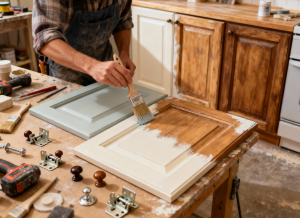
Understanding the key differences between home maintenance and improvements is vital for effective property management. Maintenance focuses on sustaining the functionality and condition of your home, addressing repairs and routine tasks to prevent further deterioration. In contrast, improvements enhance the aesthetic appeal or functionality, often adding value to your property. Recognizing these distinctions helps you allocate resources appropriately and prioritize tasks based on urgency and potential returns.
Purpose and Objectives
The primary purpose of maintenance is to keep your home safe and operational, ensuring that systems like plumbing and roofing remain in good condition. Improvements, on the other hand, aim to elevate your home’s value and enhance your living experience through upgrades such as remodeled kitchens or energy-efficient windows. While both types of activities are vital, your objectives may dictate where you focus your time and budget.
Cost Considerations
When budgeting for home projects, distinguishing between maintenance and improvements has significant financial implications. Maintenance costs are typically predictable and can be spread throughout the year, whereas improvements often require larger, upfront investments that may provide long-term returns in property value.
For maintenance, consider annual expenses such as HVAC servicing, gutter cleaning, or roof inspections, which might total a few hundred to a few thousand dollars each year. In contrast, a kitchen remodel could cost anywhere from $15,000 to over $50,000, depending on the extent of the renovation and materials used. While home improvements can elevate resale value by an average of 70-80% of the initial cost, it’s vital to weigh these expenses against immediate maintenance needs to avoid costly repairs down the line. Balancing both types of costs effectively ensures your home remains in prime condition while also increasing its market value.
Prioritizing Tasks: When to Maintain vs. When to Improve
Knowing when to tackle maintenance versus improvement tasks is necessary for effective home management. Prioritize urgent maintenance to avoid further damage, while planning improvements for long-term benefits. Maintenance should take precedence when it concerns safety, efficiency, or structural integrity, while improvements can enhance comfort and aesthetic appeal. Your approach should reflect your specific needs and the current performance of your home.
Assessing Your Home’s Condition
Start by examining your home’s various systems, such as plumbing, roofing, and HVAC. Identify any signs of wear or damage that require immediate attention. Create a checklist of concerns and prioritize them based on urgency and potential impact on your living environment. For instance, a leaky roof requires prompt action, while a bathroom remodel can be scheduled later on.
Budgeting for Maintenance and Improvements
Effectively manage your finances by allocating funds to both maintenance and improvements. Regular maintenance often requires a smaller, consistent budget, while home improvements may need more substantial, infrequent investments. Establish a dedicated savings plan for unexpected maintenance issues and have a separate budget for improvements, allowing you to upgrade your home without financial strain.
Consider industry standards when budgeting; set aside 1-3% of your home’s value annually for maintenance, and approach improvements with a cost-benefit analysis. For example, kitchen upgrades can yield a 70-80% return on investment, making them a wiser choice for homeowners looking to increase property value. By creating a balanced budget, you ensure both the longevity of your home and the satisfaction of enhancing its appeal.
Common Home Maintenance Tasks
Regular home maintenance tasks ensure the longevity and safety of your property. Neglecting these duties can lead to costlier repairs down the line. Standard tasks include checking your HVAC system, replacing air filters, inspecting plumbing for leaks, and testing smoke detectors. Keeping up with these responsibilities can enhance your home’s performance and protect your investment.
Interior Maintenance
Interior maintenance focuses on the upkeep of your home’s internal systems and surfaces. This includes tasks like cleaning gutters, ensuring proper ventilation, and checking for signs of moisture or mold. Regularly inspecting your home’s heating and cooling systems will not only improve energy efficiency but also extend their operational life.
Exterior Maintenance
Exterior maintenance is necessary for protecting your home’s outer structure and aesthetics. Regular tasks include power washing siding, painting or staining surfaces, and inspecting your roof for damage. Taking proactive steps can prevent decay and preserve the value of your home.
Particularly with exterior maintenance, focus on seasonal checks. In spring, clear debris from gutters and downspouts to prevent water damage. Summer is ideal for inspecting siding and identifying any wear. In fall, check your roof and clean gutters again before winter hits, ensuring they can handle snow and ice buildup. These small, routine actions can prevent larger, more expensive issues later.
Popular Home Improvement Projects
Homeowners often seek out popular improvement projects that elevate their living space while adding value to their property. From enhancing curb appeal with exterior renovations to creating functional indoor spaces, the choices are abundant. Projects such as kitchen remodels, bathroom upgrades, and energy-efficient installations not only transform your home but can also yield significant returns on investment. Knowing which upgrades are in demand can guide your decisions and ensure you make the most impactful improvements.
Kitchen and Bathroom Upgrades
Kitchen and bathroom upgrades consistently rank among the top home improvement projects, primarily because these areas significantly influence buyer interest. A modernized kitchen with updated appliances and functional layout can improve your cooking experience and increase your home’s resale value. Similarly, a refreshed bathroom featuring energy-efficient fixtures and stylish design can make everyday routines feel more luxurious while appealing to potential buyers.
Energy Efficiency Improvements
Energy efficiency improvements are an excellent way to lower utility bills while increasing your home’s appeal. Simple upgrades like adding insulation, sealing windows, or installing energy-efficient appliances can lead to substantial savings. Beyond lowering your monthly expenses, these improvements align with modern homeowner preferences towards sustainability and can enhance your home’s market value.
Investing in energy efficiency improvements not only benefits your budget but also contributes to a more sustainable lifestyle. For instance, upgrading to Energy Star-rated appliances can save you 10-50% on energy usage compared to standard models. Additionally, implementing smart home technology, such as programmable thermostats, allows you to better manage energy consumption. According to the Department of Energy, such improvements can add an average of 10-15% to your home’s value, while decreased energy costs can recover the investment over time. Your commitment to improving energy efficiency reflects a growing trend toward eco-conscious living, making your home more attractive in today’s market.
Final Words
On the whole, you should prioritize home maintenance to safeguard your investment and ensure your living space remains functional and safe. While home improvements can enhance aesthetics and value, neglecting necessary maintenance can lead to costly repairs down the line. Focus on creating a balance; regularly check and address necessary maintenance tasks while planning for improvements that align with your goals. This will not only preserve your home’s integrity but also enhance your overall satisfaction as a homeowner.