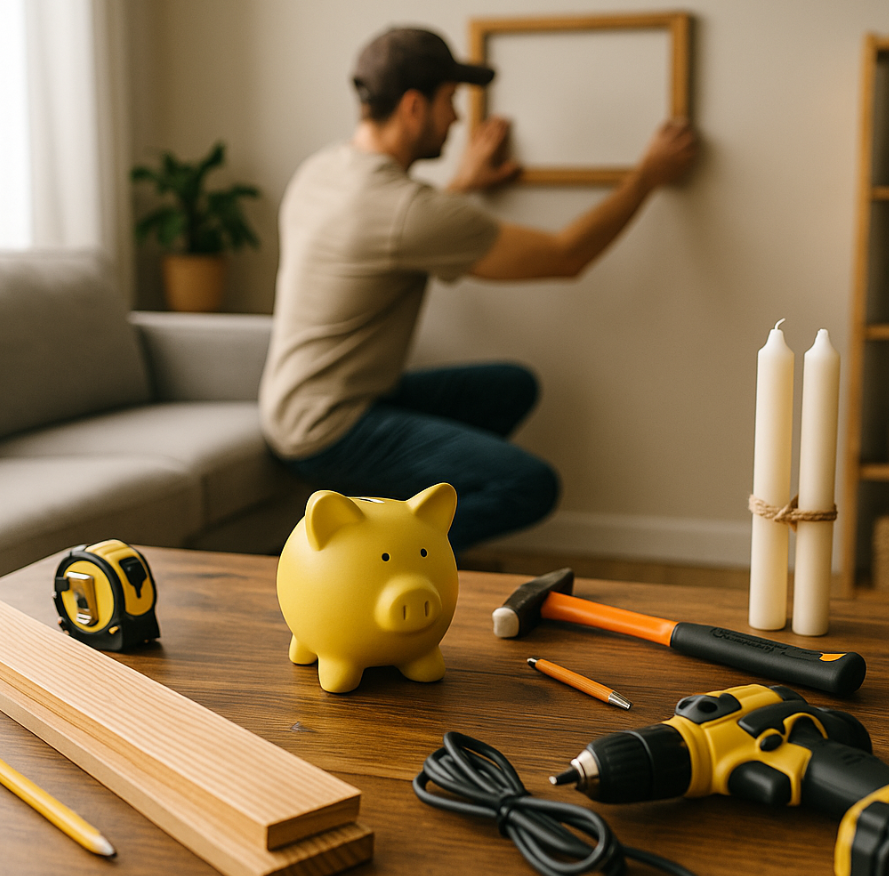
Dreaming of a home makeover but don’t have the budget for a full renovation? You don’t need to spend thousands to achieve stunning results. The most satisfying Budget-Friendly Home Improvements focus on high-impact cosmetic updates and smart functional fixes that are easily completed in a weekend. By strategically using paint, updating outdated hardware, and maximizing lighting, you can radically transform the look and feel of your kitchen, bathroom, or living space without calling a single contractor. We dive into the most cost-effective projects that guarantee a big return on your small investment.
There’s a wealth of opportunities for you to enhance your home without straining your finances. This guide equips you with practical tips and innovative ideas to make impactful improvements while sticking to your budget. From simple DIY projects to strategic upgrades, you’ll discover effective ways to elevate your living space and increase its value without overspending. Transform your home efficiently and economically with these budget-friendly strategies.
Types of Budget-Friendly Home Improvements
- Cosmetic upgrades
- Energy-efficient enhancements
- Minor repairs
- Outdoor improvements
- DIY projects
Thou can achieve significant changes in your home without breaking the bank.
| Type | Description |
| Cosmetic Upgrades | Enhancements that focus on aesthetics such as painting and decor. |
| Energy-Efficient Enhancements | Improvements aimed at reducing energy consumption and costs. |
| Minor Repairs | Simple fixes for wear and tear that maintain home value. |
| Outdoor Improvements | Upgrades to landscaping and outdoor spaces for curb appeal. |
| DIY Projects | Do-it-yourself initiatives that save money while personalizing your space. |
Cosmetic Upgrades
Cosmetic upgrades can dramatically alter your home’s appearance with minimal investment. Simple tasks like repainting walls or updating fixtures can refresh a tired space. Changing hardware on cabinets or adding new curtains not only enhances style but also improves your home’s overall feel. These upgrades often require little time and can be accomplished over a weekend, making them perfect for the budget-conscious homeowner.
Energy-Efficient Enhancements
Energy-efficient enhancements focus on reducing utility bills while making your home more comfortable. Installing LED lighting, sealing windows, or adding insulation can have both immediate and long-term financial benefits. Moreover, the installation of energy-efficient appliances can lead to substantial savings over time, as these products are designed to consume less energy compared to their traditional counterparts.
More in-depth, consider the investment in energy-efficient enhancements as more than just a means to save money. For instance, LED lighting uses up to 75% less energy than incandescent bulbs and lasts about 25 times longer. Additionally, energy-efficient windows can reduce heating and cooling costs by 30% or more. By upgrading to ENERGY STAR-rated appliances, you not only improve your home’s efficiency but also increase its market value.
Essential Tips for Saving on Home Renovations
To achieve significant savings on home renovations, strategic decisions are key. Focus on planning your projects thoroughly and selecting options that maximize value without overspending. Here are some strategies you might consider:
- Set a realistic budget and stick to it.
- Prioritize renovations that add the most value to your home.
- Shop around and comparison price materials and labor.
- Consider doing some work yourself where possible.
Assume that a well-thought-out plan will help you avoid costly mistakes.
Planning and Budgeting Strategies
Successful renovations start with a detailed plan and budget. Identify your goals and prioritize projects based on necessity and potential return on investment. Use online calculators to estimate costs and track expenses meticulously. Allocate a contingency fund of about 10-20% to cover unexpected expenses, ensuring your budget remains intact throughout the project.
Choosing Affordable Materials
Selecting materials wisely can dramatically influence your renovation budget. Opt for cost-effective alternatives that don’t sacrifice quality. For example, consider laminate flooring as a substitute for hardwood or quartz countertops instead of granite. Visit local suppliers for discounts and keep an eye out for bulk purchases.
When choosing affordable materials, think beyond just the initial price. Explore options like reclaimed wood for an eco-friendly aesthetic, or look for vinyl siding that mimics the appearance of brick at a fraction of the cost. Many suppliers offer sales or clearance items, which can help you source high-quality materials for your home at reduced prices. Don’t overlook second-hand shops or online marketplaces for unique finds that can elevate your renovation while keeping costs low.
Step-by-Step Guide to Common DIY Projects
| Project | Description |
| Painting | Refresh your rooms with new paint or wallpaper to dramatically change their look. |
| Landscaping | Create inviting outdoor spaces by adding plants, pathways, or lighting. |
Painting and Wallpaper
You can easily transform your living space with a fresh coat of paint or stylish wallpaper. Start by selecting quality materials and colors that complement your existing decor. Clean and prep your surfaces for a smooth finish, and use painter’s tape for crisp edges. A few rolls of wallpaper can add character, so consider patterns that resonate with your style.
Landscaping and Outdoor Spaces
Enhancing your outdoor areas can vastly improve your home’s curb appeal. Start with some simple plantings or even a small vegetable garden; both can thrive on minimal investment. Consider incorporating decorative gravel paths or affordable lighting to create inviting spaces for relaxation and entertainment.
When landscaping, focus on budget-friendly plants that are native to your area, as they require less maintenance and are more resilient. Utilize repurposed materials for borders and walkways, which not only cuts costs but also personalizes your design. Simple additions like garden beds or hanging pots can make a significant impact without breaking the bank.
Factors to Consider Before Starting Projects
Before exploring into your home improvement projects, several factors warrant consideration to ensure a balanced approach. Evaluate your budget, the current state of your home, and what projects align with your overall goals. Understanding your timeline and the potential disruptions to your daily life is imperative. Be sure to also think about how the changes will impact your property value in the long run. This will place you in a better position to make informed decisions on which projects to pursue.
- Set a realistic budget.
- Assess the condition of your home.
- Determine your project timeline.
- Understand the impact on property value.
- Consider your daily routine and how it may change.
This will help you align the home improvements with your personal goals and lifestyle.
Property Value Impact
Improvements can significantly affect your home’s market value, either positively or negatively. Projects like kitchen remodels or bathroom upgrades tend to yield higher returns on investment, often exceeding 70% of the costs upon resale. Conversely, overspending on luxury items may not yield comparable value. Focus on improvements that enhance both function and aesthetics to maximize your investment.
Personal Lifestyle and Preferences
Your lifestyle and personal taste should guide your improvement choices. Think about how you use your home daily. If you enjoy entertaining, an open-concept layout or an upgraded patio may suit you. Alternatively, if you work from home, enhancing your office space might take precedence. Prioritize projects that will enhance your quality of life and reflect your style, ensuring that your home feels like a tailored sanctuary.
Considering your personal lifestyle allows you to select projects that provide immediate enjoyment and long-term satisfaction. For example, a cozy reading nook may be ideal for you if you enjoy quiet evenings at home, while a revamped kitchen island might better suit those who love to cook and host gatherings. Identify your preferences and think about how each improvement can align with your daily habits to create a living space that truly resonates with who you are.
Pros and Cons of Popular Home Improvements
| Pros | Cons |
|---|---|
| Increases home value | Can be costly upfront |
| Enhances curb appeal | May require maintenance |
| Improves energy efficiency | Disruption during renovations |
| Customization options | Permits may be needed |
| Enhances functionality | Potential for project overruns |
| Improves safety features | Could affect insurance costs |
Kitchen Remodels
Kitchen remodels can transform the heart of your home, offering improved functionality and modern aesthetics. Whether you opt for updating cabinets, installing new countertops, or refreshing appliances, these enhancements can significantly elevate your cooking experience. Nonetheless, kitchen remodels can become expensive quickly, depending on the scale and materials chosen, so careful planning is crucial.
Bathroom Updates
Updating your bathroom not only enhances its appearance but also increases its efficiency. You can consider low-flow fixtures and fresh tiles, which are budget-friendly yet effective ways to modernize an outdated space. The benefits of a well-executed bathroom update include better water management and an inviting atmosphere, serving both your comfort and the potential resale value of your home.
Focus on features that have significant impact, such as replacing old fixtures with modern, low-flow alternatives that save water and reduce bills. Adding a fresh coat of paint and new tile can also make a drastic difference without stretching your budget. According to Remodeling Magazine, even minor bathroom remodels can recoup up to 70% of their cost, making them a savvy investment for both comfort and value.
Common Mistakes to Avoid
Avoiding common pitfalls can save you time and money during your home improvement journey. Many homeowners find themselves facing setbacks due to miscalculations or lack of planning. By being aware of these mistakes, you can keep your project on track and within budget while achieving the results you desire.
Overestimating DIY Skills
Underestimating the complexity of a project can lead to costly mistakes. While DIY can be rewarding, it’s important to realistically assess your skills. Rushing into tasks without proper tools or knowledge often results in subpar work or the need for professional intervention.
Ignoring Professional Help When Needed
Sometimes, the best budget-friendly decision is hiring a professional for specific tasks. Although DIY projects can be economical, certain repairs require expertise, especially those involving plumbing or electrical work. A licensed professional can identify underlying issues and ensure compliance with safety regulations, ultimately saving you from potential future expenses.
Engaging a professional can actually enhance your overall budget by preventing mistakes that lead to rework or damage. For instance, if you’re attempting a complex electrical installation and lack experience, the risk of error could lead to hazardous conditions or greater expense down the line. In such cases, a quick consultation or hiring a specialist could be more cost-effective and safer than a DIY approach. Weighing potential risks and rewards helps you make informed decisions about when to seek extra help.
To wrap up
Upon reflecting, it’s clear that budget-friendly home improvements can significantly enhance your living space without straining your finances. By applying the strategies outlined in this guide, you can prioritize projects that add value and comfort to your home. Embrace creativity, leverage DIY methods, and make informed decisions to maximize the impact of your investments. Ultimately, your choices today will shape a more enjoyable environment for you and your family, fostering both functionality and style in your home.