It’s the first question every savvy homeowner asks before starting a big project: are home improvements a write off or not? The short answer for the average personal residence is often “no,” but the full story is far more valuable. While you generally can’t deduct the cost of a new roof or remodeled kitchen in the year you pay for it, strategic upgrades like energy-efficient improvements and medical modifications do qualify for significant tax benefits. Read on to clarify the crucial difference between an immediate deduction, a long-term capital improvement, and a direct tax credit
Home improvements can significantly enhance the value of your property, but you may wonder whether these expenses are tax-deductible. Understanding which improvements qualify as write-offs can help you maximize your tax benefits. You need to differentiate between personal and investment-related improvements to navigate the complexities of tax deductions appropriately. This post will guide you through the specifics of claiming home improvements on your taxes, ensuring you make informed financial decisions.
Understanding Home Improvements
Home improvements encompass enhancements that increase your property’s value or extend its lifespan. These modifications can range from major renovations, like a kitchen remodel, to smaller updates, such as energy-efficient windows. Effective home improvements not only uplift your living space but may also create potential tax benefits when selling your home.
Definition of Home Improvements
Home improvements refer to structural alterations or renovations that enhance the functionality, aesthetics, or efficiency of a property. These projects can include adding a new room, renovating a bathroom, or upgrading your HVAC system. Unlike simple maintenance tasks, improvements significantly upgrade your home’s overall value.
Difference Between Improvements and Repairs
Improvements and repairs serve different purposes in home maintenance. While improvements aim to enhance your home’s quality or functionality, repairs focus on fixing existing issues or wear and tear. Understanding this distinction is vital when considering tax implications, as improvements can often have more favorable write-off potential than routine repairs.
Improvements increase your property’s value or usefulness, while repairs simply restore it to its previous condition. For instance, installing a new roof is an improvement as it prolongs your home’s life and enhances its market value. In contrast, patching a leak is a repair aimed at maintaining the current state without adding value. This differentiation is crucial when calculating deductions or determining long-term benefits for your property. Thus, keeping clear records of both types of expenses is prudent for future tax considerations or resale value enhancement.
Tax Deductions and Write-Offs
Understanding the nuances of tax deductions and write-offs for home improvements is vital for maximizing your tax benefits. Certain renovations that enhance living conditions or home value can potentially qualify for deductions. It’s important to keep thorough records and receipts of all home-related expenses to substantiate these claims during tax season.
Types of Tax Deductions for Homeowners
As a homeowner, you may be eligible for various tax deductions that can ease financial burdens. These typically include:
- Mortgage interest payments
- Property tax payments
- Points paid on a loan
- Home office expenses
- Energy-efficient home improvements
After exploring these options, evaluate which apply to your situation for optimal tax savings.
| Type of Deduction | Eligibility Criteria |
|---|---|
| Mortgage Interest | Must be on a primary residence |
| Property Taxes | Paid for a primary or secondary residence |
| Points Paid | For purchase or refinancing of a mortgage |
| Home Office | Designated office space in your home |
| Energy Improvements | Improvements that meet IRS energy standards |
Eligibility Criteria for Write-Offs
Eligibility for write-offs often hinges on the nature and purpose of the home improvement. Generally, improvements that add value to your home, prolong its life, or adapt it for new uses qualify. If you are making repairs rather than improvements, you might be more limited in what you can deduct.
For example, a new roof or upgraded plumbing can potentially qualify as write-offs, while routine maintenance like repainting might not. Factors like whether the renovation is for personal use or a rental property also influence eligibility. Additionally, you should consider local tax laws, as they can vary significantly with respect to homeowner deductions.
Home Office Deductions
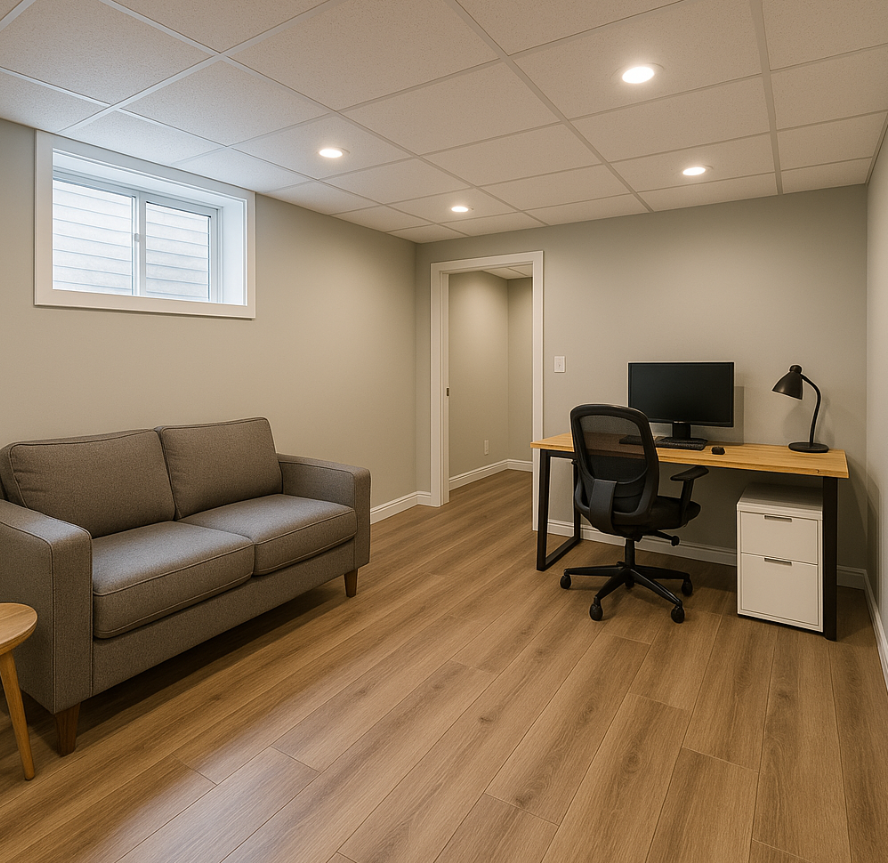
When you operate a business from your home, certain home improvement expenses may qualify for deductions. This can significantly reduce your taxable income, making your home office an asset rather than a liability. Whether you’re upgrading your workspace or making necessary repairs, identifying which costs are deductible is necessary for maximizing your tax benefits.
Requirements for Deducting Home Office Improvements
To qualify for home office deductions, your space must be used regularly and exclusively for business purposes. This means the area designated as your office cannot serve dual functions, such as a guest bedroom. Additionally, the size of your designated office space relative to your home’s total size influences the deduction amount, as only the relevant portion is considered for tax purposes.
Calculating the Deduction Amount
Your home office deduction is typically calculated based on the percentage of your home that your office occupies. For example, if your home is 1,000 square feet and your office is 200 square feet, you’ll claim 20% of allowable expenses. This includes improvements that enhance your office space, such as renovations or new furniture specifically for that area.
When calculating your deduction amount, you’ll need to segregate expenses into direct and indirect categories. Direct expenses, like a new desk, are 100% deductible, while indirect costs, such as utility bills or mortgage interest, should be prorated based on the office’s square footage. Keep detailed records of all expenses and their business purpose to substantiate your claims and maximize your deductions effectively.
Selling Your Home: Capital Gains and Improvements
When you sell your home, certain improvements can significantly impact your capital gains tax. The Internal Revenue Service (IRS) allows you to adjust your home’s basis—what you originally paid—by adding the cost of eligible improvements. This can reduce the capital gains tax owed on the profit you make from the sale, making it necessary to understand how these improvements factor into your taxable income.
How Improvements Affect Capital Gains Tax
Improvements that enhance the value of your home or prolong its useful life can increase your adjusted basis, ultimately lowering your capital gains. For instance, adding a new roof or remodeling a kitchen likely adds significant value and can help mitigate your taxable gains when you sell your property. In contrast, regular maintenance expenses do not qualify for this basis adjustment.
Documenting Improvements for Tax Purposes
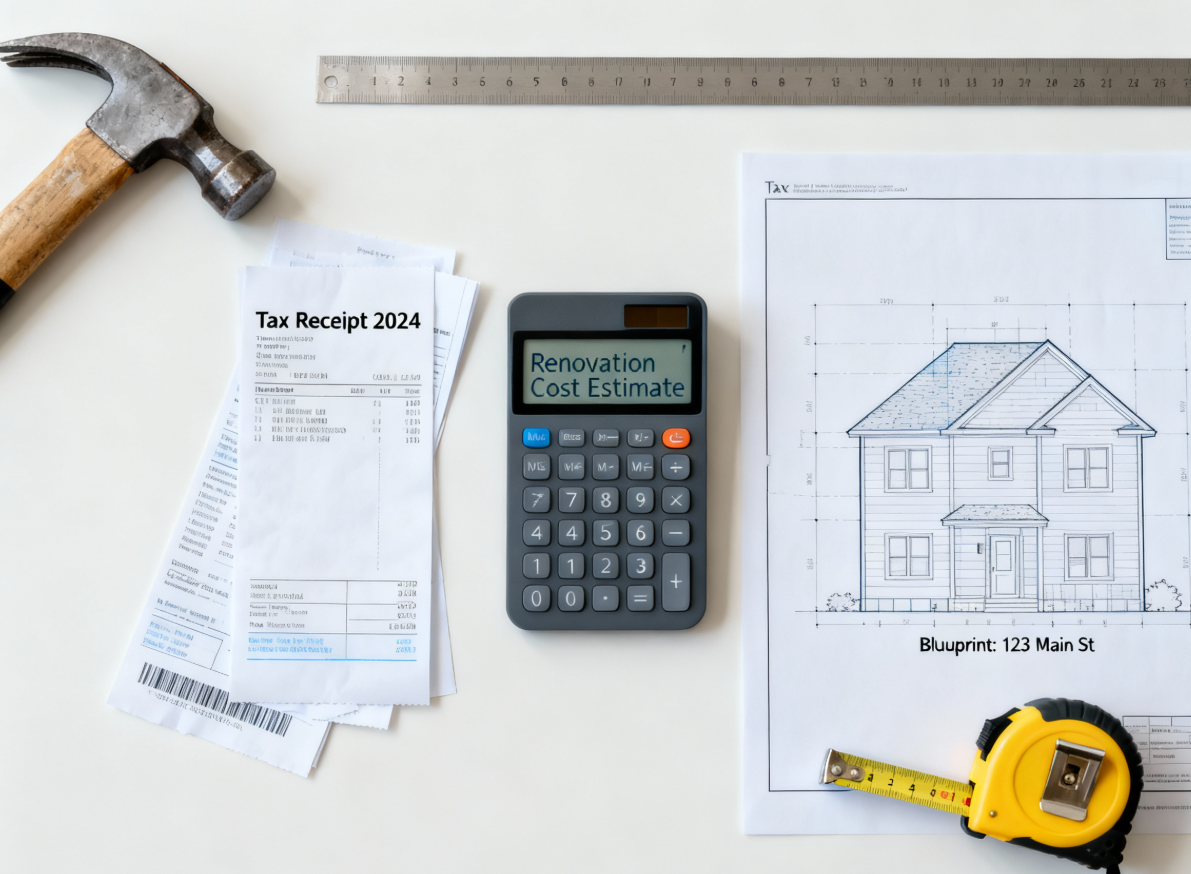
Accurate documentation of your home improvements is vital for tax purposes. Keep records of expenditures, including invoices, contracts, and payment receipts. These documents provide proof of your investment in the property, ensuring that you can substantiate your claims during tax filing and if audited by the IRS.
Enhancing your documentation can involve categorizing expenses by project, retaining before-and-after photos, and maintaining a detailed log of work completed. This organized approach not only allows for easier calculations when determining capital gains but also strengthens your case for qualifying improvements should you need to provide evidence of your claims to tax authorities. By being diligent with documentation, you create a solid foundation for maximizing your tax benefits when selling your home.
Common Myths About Home Improvements and Tax Deductions
Misconceptions Homeowners Have
Many homeowners mistakenly believe that all home improvement expenses automatically qualify as tax deductions. There’s a common perception that simply renovating your kitchen or adding a deck will reduce your tax burden, but this is not always the case. You may find that only certain improvements related to a home office or energy efficiency upgrades can lead to tax benefits.
Clarifying the Reality
While it’s true that certain home improvements can offer tax benefits, not all renovations will qualify for deductions. Investments intended to increase the value of your home, like a new roof or landscaping, generally don’t qualify unless you meet specific conditions. Conversely, expenses for a dedicated home office or energy-efficient upgrades can lead to significant savings on your tax return.
For example, if you use part of your home exclusively for business, renovations in that area may be deductible. Additionally, investing in energy-efficient technologies or materials can sometimes yield tax credits, providing direct financial benefits that are often overlooked. Familiarizing yourself with IRS guidelines and keeping thorough records can help clarify what qualifies, ensuring you maximize your potential write-offs while avoiding pitfalls of common misconceptions.
Practical Tips for Maximizing Write-Offs
To maximize your write-offs on home improvements, it’s vital to stay organized and informed. Consider these strategies:
- Document all expenses associated with improvements.
- Categorize upgrades based on potential tax benefits.
- Keep up with tax law changes that may affect deductions.
- Consult professionals when in doubt about eligibility.
Thou shalt not overlook the importance of thorough planning and execution when seeking write-offs.
Keeping Records and Receipts
Accurate record-keeping is vital for justifying your deductions. Retain receipts, invoices, and contracts for every improvement you make. Organizing these documents chronologically or by room will streamline the tax preparation process. When tax time arrives, having a clear record helps substantiate your claims and minimizes the risk of errors or audits.
Consulting with Tax Professionals
Enlisting the expertise of tax professionals can provide tailored advice specific to your situation. These experts stay updated on ever-changing tax laws and can identify deductions you might overlook. During consultations, you can discuss your home’s unique improvements and determine which may yield the most substantial tax benefits. Investing in professional guidance often pays off through maximized write-offs.
Effective collaboration with tax professionals not only clarifies the complexities of write-offs but also ensures compliance with IRS regulations. They can help you assess your property’s depreciation, energy-efficient upgrades, and specific improvements that qualify for tax credits. By leveraging their knowledge, you can enhance your strategy for home improvement deductions and safeguard against potential pitfalls.
Summing up
To wrap up, understanding whether home improvements can be a write-off is vital for maximizing your tax benefits. Generally, if your upgrades enhance your home’s value or are made for rental properties, they may be deductible. To ensure you’re taking full advantage of these potential write-offs, keep detailed records of your expenses and consult a tax professional for personalized advice related to your specific situation. This proactive approach can help you effectively manage your finances while potentially reducing your taxable income.
To summarize the central question, are home improvements a write off: routine repairs are not deductible, but capital improvements increase your home’s tax basis, which reduces your tax liability when you sell the home for a profit. Furthermore, don’t overlook immediate tax relief available for specific projects, such as the Energy Efficient Home Improvement Credit or medically necessary modifications. The key takeaway is documentation: keep every receipt and invoice for every upgrade you make. Before filing, consult with a qualified tax professional to ensure you correctly leverage every credit or deduction your home improvements qualify for.