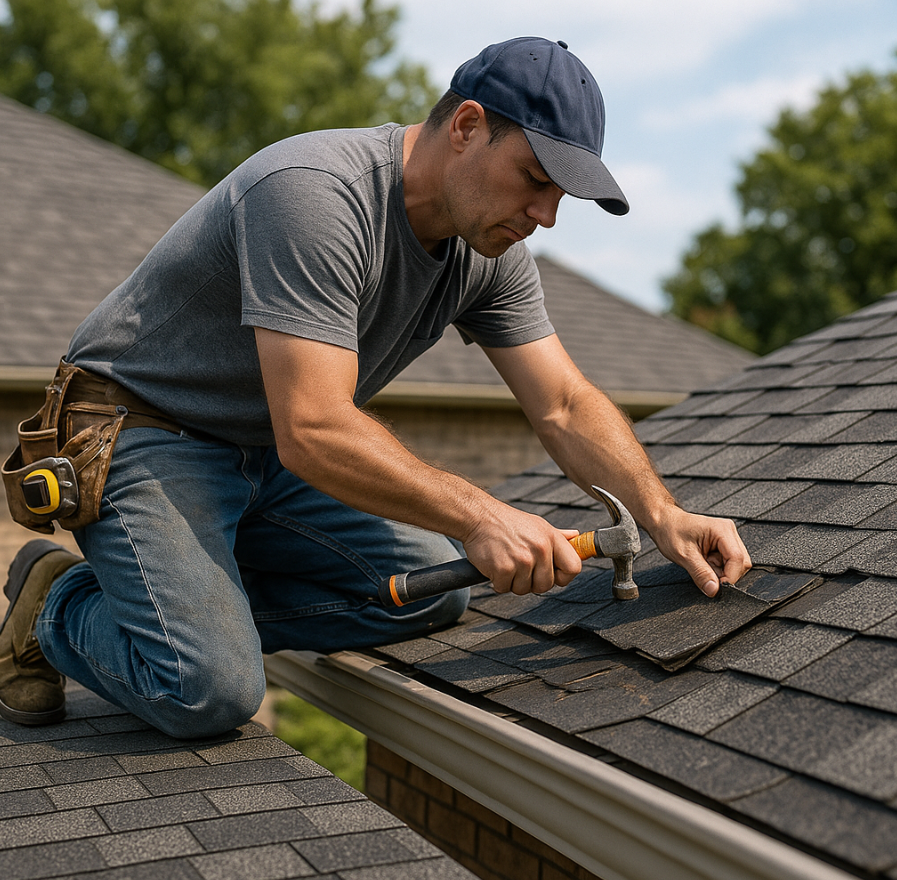
Should I Repair or Replace My Roof? Calculating the True Cost of Both Options
Dealing with a damaged roof leads to one critical question: Should I Repair or Replace My Roof? The difference between the two can be thousands of dollars, making it crucial to correctly diagnose the problem before spending any money. While a simple repair is often the fastest and cheapest fix for minor damage, widespread issues, or a roof past its prime (usually 20 years), signal that replacement is the only responsible option. We provide a clear, step-by-step diagnostic guide focusing on key indicators like shingle age, widespread damage, and attic integrity to help you choose the most cost-effective long-term solution.
Like a ticking clock, your roof’s lifespan is finite, and deciding whether to repair or replace it can feel overwhelming. With varying costs and potential long-term savings at stake, it is crucial to assess the condition of your roof carefully. Are minor repairs sufficient, or is it time for a full replacement? Understanding the factors involved will help you make an informed decision that could impact your home and finances considerably.
Understanding the Lifespan of Your Roof
Have you ever wondered how long your roof will last before it needs attention? The lifespan of your roof largely depends on the roof materials used.
Asphalt shingles typically last 15-30 years, while metal roofs can endure 40-70 years.
To maximize your roof’s lifespan, it’s essential to follow some maintenance tips. Regularly inspect your roof for debris, clean gutters, and check for signs of wear or damage.
Ensuring proper ventilation can also help prevent moisture buildup, which can deteriorate roof materials over time.
By understanding these factors, you can take proactive steps to enhance your roof’s longevity and maintain the comfort and security of your home.
After all, a well-cared-for roof is key to a welcoming living space.
Signs That Indicate Repair Is Necessary
If you notice visible water damage on your ceilings or walls, it’s a clear sign that your roof may need urgent attention.
Additionally, missing shingles or tiles can compromise your roof’s integrity, leading to further issues down the line.
Recognizing these signs early can save you from costly repairs in the future.
Visible Water Damage
Visible water damage often signals an urgent need for roof repair. If you notice water stains on your ceiling or walls, it’s a clear indication that your roof is compromised. These stains can expand over time, leading to more significant issues if not addressed promptly.
Mold growth is another serious sign; it thrives in damp environments and can pose health risks. Check for musty odors or discoloration, particularly in corners and around vents.
Ignoring these signs can lead to costly repairs down the line and even affect your home’s structural integrity. Don’t wait until the damage escalates; taking action now can save you time, money, and the comfort of your home.
Missing Shingles or Tiles
A roof without its shingles or tiles is like a car missing its wheels—it’s not going anywhere safe. If you notice missing shingles or tiles on your roof, it’s a clear sign that repair is necessary.
Different shingle types, such as asphalt or wood, can deteriorate over time, leading to gaps that expose your roof to water damage. Similarly, tile materials like clay or concrete can crack or dislodge, compromising your roof’s integrity.
When you spot these issues, don’t ignore them; they can lead to bigger problems down the line. By addressing missing shingles or tiles promptly, you’ll maintain the safety and aesthetics of your home, ensuring it remains a welcoming place for you and your loved ones.
Assessing the Extent of Damage
Before deciding whether to repair or replace your roof, it’s essential to assess the extent of the damage.
Start with a thorough damage assessment, inspecting for missing shingles, leaks, or structural issues.
Look for signs of water stains on ceilings and walls, as these indicate underlying problems that may require more than just surface repairs.
Consider the age of your roof; if it’s nearing the end of its lifespan, repair options may not be cost-effective.
Document your findings, as this will help you weigh your choices.
Engaging a professional can provide you with a clearer view of the situation, guiding you toward the best decision for your home and budget.
Together, you can determine the most suitable path forward.
Cost Breakdown: Roof Repairs
When considering roof repairs, it’s essential to understand the typical expenses involved.
Factors like the type of damage, materials used, and labor costs greatly influence your overall spending.
Typical Repair Expenses
How much should you expect to spend on roof repairs? Typical repair costs can vary greatly, ranging from a few hundred to several thousand dollars depending on the issue.
Common repair issues include leaks, missing shingles, and damaged flashing. For instance, fixing a small leak might set you back around $300, while replacing a few shingles can cost between $200 and $1,000.
More extensive problems, like repairing structural damage, could exceed $2,000. It’s essential to address these issues promptly to prevent further damage and increased costs.
Factors Affecting Costs
Several key factors influence the costs associated with roof repairs, and understanding them can help you budget effectively.
First, the types of roofing materials you choose will greatly impact your expenses. Whether you opt for asphalt shingles, metal, or tiles, each material has its own price range.
Additionally, consider the labor costs involved; skilled roofers charge varying rates based on their experience and the complexity of the job. Geographic location can also play a role—urban areas often see higher labor rates than rural ones.
Finally, the extent of the damage directly affects repair costs, as minor fixes are generally more affordable than extensive repairs. By factoring in these elements, you’ll make a more informed decision.
Long-term Value Assessment
Understanding the long-term value of roof repairs is key to making a wise investment in your home. By opting for repairs, you can greatly reduce the costs associated with long-term maintenance.
Addressing issues promptly prevents further damage, which can lead to higher expenses down the line. Additionally, a well-maintained roof enhances your home’s curb appeal, positively impacting its future resale value. Buyers are often attracted to homes that show signs of care, so investing in roof repairs can yield substantial returns.
Consider the potential longevity of your roof post-repair—if it extends its life by several years, you’re not just saving money; you’re also ensuring your home remains a welcoming and valuable asset for years to come.
When Repairs May Not Be Enough
Although repairs can often extend the life of your roof, there are times when they simply aren’t enough to address underlying issues. If you notice persistent leaks or widespread damage, these repair limitations might signal deeper problems.
Frequent repairs can lead to escalating costs and a patchwork appearance that detracts from your home’s value. Additionally, if your roof is nearing the end of its lifespan, the benefits of replacement—like improved energy efficiency and enhanced aesthetics—become increasingly compelling.
Understanding when to stop pouring money into repairs is vital for your long-term investment. By recognizing these signs, you can make an informed decision that aligns with your home’s needs and guarantees a safe, comfortable space for you and your family.
The Advantages of a New Roof
When you invest in a new roof, you’ll experience enhanced energy efficiency that can lower your utility bills considerably.
A modern roof not only protects your home but also elevates its aesthetic appeal, boosting curb appeal and potentially increasing property value.
Making this upgrade can transform your living space, providing both comfort and style.
Enhanced Energy Efficiency
Investing in a new roof can greatly enhance your home’s energy efficiency, especially if you choose modern materials and technologies.
With the right roofing system, you can achieve significant energy savings, as new roofs often incorporate advanced insulation upgrades. These improvements help maintain a consistent indoor temperature, reducing your reliance on heating and cooling systems.
Additionally, energy-efficient roofing materials reflect sunlight, keeping your home cooler in the summer and warmer in the winter. This not only lowers your utility bills but also contributes to a more sustainable living environment.
Improved Aesthetic Appeal
A new roof not only protects your home but also greatly boosts its curb appeal. When considering roof styles, you’ll discover a variety of options that can transform your property’s appearance.
From modern metal roofs to classic shingles, each style brings distinct aesthetic upgrades that enhance your home’s character. A well-chosen roof can complement your existing architecture, making your house stand out in the neighborhood and creating a sense of pride.
Additionally, new roofing materials offer vibrant colors and textures that older roofs simply can’t match, giving your home a fresh, inviting look. Investing in a new roof isn’t just practical; it’s a chance to elevate your home’s beauty and create a welcoming environment for family and friends.
Cost Breakdown: Roof Replacement
Replacing your roof typically costs between $5,000 and $15,000, depending on various factors like materials, labor, and the size of your home.
You’ll want to choose quality roof materials that suit your budget and desired aesthetics. Options range from asphalt shingles to metal and tile, each with different price points and lifespans.
Contractor selection is essential; hiring a reputable contractor can greatly affect the final cost and quality of the installation. Be sure to get multiple quotes and check references to guarantee you’re making a wise investment.
Energy Efficiency Considerations
While evaluating your roofing options, it’s essential to factor in energy efficiency, as this can greatly impact your long-term costs. A well-insulated roof can lead to significant energy savings, particularly in extreme climates.
If your current roof is lacking in insulation, repairing it may not yield the improvements you need; instead, you might want to contemplate a full replacement that includes modern insulation improvements.
Newer roofing materials often reflect heat more effectively, reducing your cooling costs during the summer months. Additionally, opting for energy-efficient shingles can further enhance your home’s overall performance.
Impact on Home Value
Investing in your roof can greatly impact your home’s overall value. A well-maintained roof not only enhances curb appeal but also plays a vital role in home appraisal.
When potential buyers see a solid roof, they’re more likely to feel confident about the structural integrity of your home. This confidence translates directly into a higher resale value. Conversely, a damaged or aging roof can deter buyers and lower your home’s marketability, making it important to weigh repair against replacement carefully.
In today’s competitive real estate market, prioritizing your roof guarantees you’re making a sound investment that pays off when it’s time to sell. Ultimately, a sturdy roof is an asset that reflects your commitment to homeownership.
Financing Options for Roof Replacement
How can you manage the costs of roof replacement without breaking the bank?
Exploring various loan options can greatly ease your financial burden. Many homeowners turn to personal loans or home equity lines of credit, allowing you to spread payments over time.
When considering these options, prioritize budget planning to guarantee you can comfortably make monthly payments. Research local grants or financing programs designed for home improvements; these can offer favorable terms.
Additionally, don’t hesitate to discuss financing with your contractor, as they might’ve partnerships with lenders.
Making the Final Decision
When debating Should I Repair or Replace My Roof, remember that repair is best for localized, small issues on a young roof (under 15 years old), while replacement is necessary for widespread damage, multiple existing leaks, or a roof nearing the end of its typical lifespan (20+ years). Ultimately, a full replacement provides superior long-term peace of mind, better protection for your home’s structure, and a fresh warranty. Don’t wait for another storm to decide for you—contact a certified roofing inspector today for a professional assessment and clear, detailed quotes for both repair and replacement options.
As you weigh your options for roof repair or replacement, it’s important to contemplate both your immediate needs and long-term goals.
If your roof has minor issues, effective repairing techniques like patching or sealing may suffice, saving you money now. However, consider the lifespan of your current materials.
If you’re facing frequent repairs, investing in quality replacement materials might be more economical in the long run. Evaluate the potential return on investment, especially if you plan to sell your home.
Discuss your options with trusted professionals to guarantee you’re making an informed choice that aligns with your family’s needs.
Ultimately, choosing between repair and replacement is about balancing your current budget with future stability and peace of mind.