Categories
Uncategorized

Home Maintenance Vs. Home Improvements

Home Maintenance Vs. Home Improvements – What Homeowners Should Focus On

Maintenance of your home is important for ensuring its longevity and value, but distinguishing it from home improvements can be challenging. While maintenance keeps your property in good working order, improvements enhance its aesthetic appeal and functionality. Understanding the difference between these two aspects can help you allocate your resources effectively, prioritizing tasks that protect your investment while also considering upgrades that may boost your enjoyment and market value. This guide will help you focus on what truly matters for optimal home care.

Understanding Home Maintenance

Home maintenance encompasses the routine activities you perform to preserve the condition and functionality of your property. Regular upkeep includes tasks such as cleaning gutters, servicing HVAC systems, and checking for leaks, all of which contribute to the longevity of your home’s components and systems.

Definition of Home Maintenance

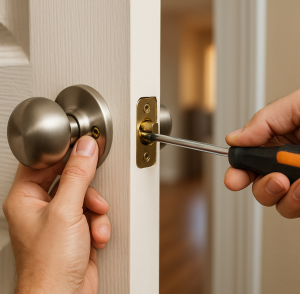
Home maintenance refers to the scheduled upkeep of your home’s structure and systems to ensure they remain in good working order. This includes everything from minor repairs and seasonal tasks to inspections of plumbing, electrical systems, and roofing to prevent larger issues from arising.
Importance of Regular Maintenance

Conducting regular maintenance helps you avoid more extensive and expensive repairs down the line. By staying proactive, you not only extend the lifespan of major systems but also increase your home’s value. For instance, ignoring a small leak can lead to costly water damage and mold growth, which could have been prevented through simple maintenance measures.

Statistics show that homeowners who invest in regular maintenance typically save 1% to 4% of their home’s value each year compared to those who wait until problems escalate. Additionally, properties with well-maintained systems often command higher appraisals, providing a greater return on your investment. Establishing a checklist or schedule for tasks can streamline this process, helping you to stay organized and ensure nothing falls through the cracks.

Exploring Home Improvements

Definition of Home Improvements

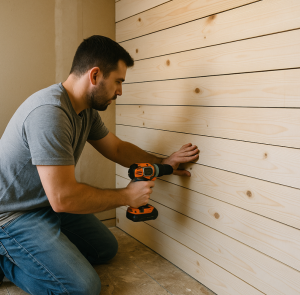
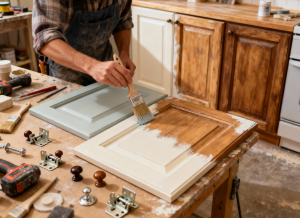
Home improvements encompass a range of projects aimed at enhancing your property’s functionality, aesthetics, or value. This can include renovations like kitchen updates, bathroom remodels, or adding energy-efficient features. Unlike routine maintenance, these enhancements usually involve significant upgrades or expansions tailored to your lifestyle and preferences.
Benefits of Upgrading Your Home

Upgrading your home can yield substantial benefits, including increased property value, enhanced energy efficiency, and improved livability. These projects not only elevate your daily experience but also make your home more appealing to potential buyers, should you decide to sell. Investing in thoughtful improvements may lead to greater enjoyment of your space and a stronger return on investment.

Home improvements can translate into significant financial gains over time. For instance, a minor kitchen remodel can return up to 80% of the investment upon resale, while energy-efficient windows can reduce utility bills by 15% or more. Furthermore, personalized upgrades allow you to tailor your space to fit your unique needs, making daily routines more enjoyable and convenient. Such enhancements foster a greater sense of comfort and pride in your home, contributing to your overall quality of life.
Home Maintenance Vs. Home Improvements

Key Differences Between Maintenance and Improvements

Understanding the key differences between home maintenance and improvements is vital for effective property management. Maintenance focuses on sustaining the functionality and condition of your home, addressing repairs and routine tasks to prevent further deterioration. In contrast, improvements enhance the aesthetic appeal or functionality, often adding value to your property. Recognizing these distinctions helps you allocate resources appropriately and prioritize tasks based on urgency and potential returns.

Purpose and Objectives

The primary purpose of maintenance is to keep your home safe and operational, ensuring that systems like plumbing and roofing remain in good condition. Improvements, on the other hand, aim to elevate your home’s value and enhance your living experience through upgrades such as remodeled kitchens or energy-efficient windows. While both types of activities are vital, your objectives may dictate where you focus your time and budget.

Cost Considerations

When budgeting for home projects, distinguishing between maintenance and improvements has significant financial implications. Maintenance costs are typically predictable and can be spread throughout the year, whereas improvements often require larger, upfront investments that may provide long-term returns in property value.

For maintenance, consider annual expenses such as HVAC servicing, gutter cleaning, or roof inspections, which might total a few hundred to a few thousand dollars each year. In contrast, a kitchen remodel could cost anywhere from $15,000 to over $50,000, depending on the extent of the renovation and materials used. While home improvements can elevate resale value by an average of 70-80% of the initial cost, it’s vital to weigh these expenses against immediate maintenance needs to avoid costly repairs down the line. Balancing both types of costs effectively ensures your home remains in prime condition while also increasing its market value.

Prioritizing Tasks: When to Maintain vs. When to Improve

Knowing when to tackle maintenance versus improvement tasks is necessary for effective home management. Prioritize urgent maintenance to avoid further damage, while planning improvements for long-term benefits. Maintenance should take precedence when it concerns safety, efficiency, or structural integrity, while improvements can enhance comfort and aesthetic appeal. Your approach should reflect your specific needs and the current performance of your home.

Assessing Your Home’s Condition

Start by examining your home’s various systems, such as plumbing, roofing, and HVAC. Identify any signs of wear or damage that require immediate attention. Create a checklist of concerns and prioritize them based on urgency and potential impact on your living environment. For instance, a leaky roof requires prompt action, while a bathroom remodel can be scheduled later on.

Budgeting for Maintenance and Improvements

Effectively manage your finances by allocating funds to both maintenance and improvements. Regular maintenance often requires a smaller, consistent budget, while home improvements may need more substantial, infrequent investments. Establish a dedicated savings plan for unexpected maintenance issues and have a separate budget for improvements, allowing you to upgrade your home without financial strain.

Consider industry standards when budgeting; set aside 1-3% of your home’s value annually for maintenance, and approach improvements with a cost-benefit analysis. For example, kitchen upgrades can yield a 70-80% return on investment, making them a wiser choice for homeowners looking to increase property value. By creating a balanced budget, you ensure both the longevity of your home and the satisfaction of enhancing its appeal.

Common Home Maintenance Tasks

Regular home maintenance tasks ensure the longevity and safety of your property. Neglecting these duties can lead to costlier repairs down the line. Standard tasks include checking your HVAC system, replacing air filters, inspecting plumbing for leaks, and testing smoke detectors. Keeping up with these responsibilities can enhance your home’s performance and protect your investment.

Interior Maintenance

Interior maintenance focuses on the upkeep of your home’s internal systems and surfaces. This includes tasks like cleaning gutters, ensuring proper ventilation, and checking for signs of moisture or mold. Regularly inspecting your home’s heating and cooling systems will not only improve energy efficiency but also extend their operational life.

Exterior Maintenance

Exterior maintenance is necessary for protecting your home’s outer structure and aesthetics. Regular tasks include power washing siding, painting or staining surfaces, and inspecting your roof for damage. Taking proactive steps can prevent decay and preserve the value of your home.

Particularly with exterior maintenance, focus on seasonal checks. In spring, clear debris from gutters and downspouts to prevent water damage. Summer is ideal for inspecting siding and identifying any wear. In fall, check your roof and clean gutters again before winter hits, ensuring they can handle snow and ice buildup. These small, routine actions can prevent larger, more expensive issues later.

Popular Home Improvement Projects

Homeowners often seek out popular improvement projects that elevate their living space while adding value to their property. From enhancing curb appeal with exterior renovations to creating functional indoor spaces, the choices are abundant. Projects such as kitchen remodels, bathroom upgrades, and energy-efficient installations not only transform your home but can also yield significant returns on investment. Knowing which upgrades are in demand can guide your decisions and ensure you make the most impactful improvements.

Kitchen and Bathroom Upgrades

Kitchen and bathroom upgrades consistently rank among the top home improvement projects, primarily because these areas significantly influence buyer interest. A modernized kitchen with updated appliances and functional layout can improve your cooking experience and increase your home’s resale value. Similarly, a refreshed bathroom featuring energy-efficient fixtures and stylish design can make everyday routines feel more luxurious while appealing to potential buyers.

Energy Efficiency Improvements

Energy efficiency improvements are an excellent way to lower utility bills while increasing your home’s appeal. Simple upgrades like adding insulation, sealing windows, or installing energy-efficient appliances can lead to substantial savings. Beyond lowering your monthly expenses, these improvements align with modern homeowner preferences towards sustainability and can enhance your home’s market value.

Investing in energy efficiency improvements not only benefits your budget but also contributes to a more sustainable lifestyle. For instance, upgrading to Energy Star-rated appliances can save you 10-50% on energy usage compared to standard models. Additionally, implementing smart home technology, such as programmable thermostats, allows you to better manage energy consumption. According to the Department of Energy, such improvements can add an average of 10-15% to your home’s value, while decreased energy costs can recover the investment over time. Your commitment to improving energy efficiency reflects a growing trend toward eco-conscious living, making your home more attractive in today’s market.

Final Words

On the whole, you should prioritize home maintenance to safeguard your investment and ensure your living space remains functional and safe. While home improvements can enhance aesthetics and value, neglecting necessary maintenance can lead to costly repairs down the line. Focus on creating a balance; regularly check and address necessary maintenance tasks while planning for improvements that align with your goals. This will not only preserve your home’s integrity but also enhance your overall satisfaction as a homeowner.
Categories
Uncategorized

The Ultimate Guide to Kitchen Countertops: Quartz vs. Granite vs. Butcher Block

Our comprehensive Guide to Kitchen Countertops walks you through the pros, cons, and costs of the most popular options, from the timeless elegance of natural stone to the low-maintenance durability of engineered quartz. Before you spend thousands, you need to understand key factors like heat resistance, maintenance requirements, and overall lifespan to select the surface that fits your cooking habits and budget.

When choosing kitchen countertops, consider quartz for its non-porous, easy-to-clean surface and wide color options. Granite brings timeless elegance with its unique patterns and durability, though it requires sealing. Butcher block offers a warm, natural feel, perfect for food prep but needs regular maintenance. Each option has distinct advantages and costs that can impact your decision. Keep exploring the unique traits of each material to find the perfect fit for your kitchen.

Understanding Quartz Countertops

When you’re considering kitchen countertops, quartz is a popular choice due to its durability and low maintenance. This engineered stone combines natural quartz with resins, making it non-porous and resistant to stains, bacteria, and scratches.

You won’t have to worry about sealing it regularly, unlike natural stones. Plus, quartz countertops come in a wide variety of colors and patterns, allowing you to customize your kitchen’s look.

They’re also easy to clean; a simple wipe with soap and water is often all you need. However, keep in mind that quartz can be sensitive to heat, so using trivets or hot pads is a good idea.

The Benefits of Granite Countertops

If you’re looking for a timeless and elegant optiongranite countertops might be the perfect fit for your kitchen. They offer a natural beauty that adds sophistication and warmth to any space.

One major benefit is their durability; granite is heat and scratch-resistant, making it an ideal choice for busy kitchens. Plus, each slab is unique, giving your kitchen a one-of-a-kind look.

Maintenance is minimal, as regular sealing keeps it looking pristine. Additionally, granite can increase your home’s resale value, appealing to potential buyers. Its resistance to bacteria makes it a hygienic choice for food preparation.

Exploring Butcher Block Countertops

While granite countertops offer a sleek, modern look, butcher block countertops bring a warm, inviting feel to your kitchen.

These surfaces are typically made from hardwoods like maple, walnut, or cherry, providing a natural aesthetic that complements various design styles.

You’ll find that butcher block isn’t only visually appealing but also functional; its surface is perfect for food preparation, allowing for easy chopping and slicing.

Plus, they can be sanded and refinished, giving you the ability to maintain their beauty over time.

When you choose butcher block, you’re also incorporating sustainability, as many options use reclaimed materials.

Durability and Maintenance Comparisons

Although butcher block countertops offer a charming aesthetic, their durability and maintenance requirements can differ considerably from other materials like granite or quartz.

Butcher block needs regular oiling to prevent drying and cracking, while granite and quartz are more resistant to staining and scratches. Granite can handle heat better than butcher block but still requires sealing every year or so to maintain its integrity.

Quartz, being non-porous, doesn’t need sealing and is generally easier to clean. If you’re looking for low maintenance, quartz is your best bet.

But if you love the warmth of wood and don’t mind a little upkeep, butcher block can be a great choice. Ultimately, it depends on your lifestyle and how much time you want to invest in maintenance.

Aesthetic Appeal and Design Options

What draws you to a particular countertop style? Is it the sleek, modern look of quartz, the natural beauty of granite, or the warm, rustic charm of butcher block?

Each option offers unique aesthetic appeal and design possibilities. Quartz comes in a variety of colors and patterns, allowing you to customize your kitchen’s vibe effortlessly.

Granite, with its unique veining and texture, brings an organic touch that can elevate any space. Butcher block adds warmth and character, perfect for a cozy, inviting kitchen.

Think about your overall design vision. Do you prefer a minimalist approach, or are you drawn to a more traditional feel? Choosing the right countertop can truly transform your kitchen’s aesthetic.

Cost Considerations for Each Material

Cost is a crucial factor when choosing the right countertop material for your kitchen.

Quartz countertops typically range from $50 to $150 per square foot, offering a balance of affordability and durability.

Granite, known for its natural beauty, usually costs between $40 and $200 per square foot, depending on the rarity of the stone.

Butcher block countertops, while charming, can vary widely, generally falling between $30 and $150 per square foot, influenced by the type of wood used.

Remember to factor in installation costs, which can add an extra $30 to $100 per square foot.

Keep your budget in mind, and choose a material that aligns with both your financial plan and your design vision.

Making the Right Choice for Your Kitchen

How do you decide which countertop material is best for your kitchen? First, consider your cooking habits. If you often prepare meals, durable materials like quartz or granite can withstand heavy use.

Next, think about maintenance. Quartz requires less upkeep, while butcher block needs regular oiling to prevent damage.

Also, evaluate your kitchen’s style. Quartz offers a modern look, granite brings natural beauty, and butcher block provides warmth.

Budget is another factor—compare costs of each material and find what fits your financial plan.

Finally, don’t forget about resale value; some materials can enhance your home’s appeal.

Categories
Uncategorized

How To Refresh Your Living Space Without Major Renovations

Living in the same space for a while can lead to familiarity that sometimes feels dull. You don’t need a major renovation to breathe new life into your home; simple updates can transform your environment. By incorporating fresh decor, reorganizing furniture, and adding personal touches, you can create an inviting atmosphere that reflects your style. This guide offers practical tips to help you refresh your living space effortlessly.

Assessing Your Living Space

Before making any changes, take time to assess your living space thoroughly. Consider how you use each area and what elements contribute to your overall comfort and functionality. Walk through each room with a critical eye, noting what works and what feels lacking. This initial evaluation sets the foundation for effective updates without the need for drastic changes.

Evaluating Current Layout

Observe how furniture is arranged in relation to traffic flow and activities you enjoy. A cluttered or cramped layout can detract from usability, while an open and inviting space fosters relaxation and socializing. Assess whether your setup enhances or hinders these experiences and explore possibilities for reconfiguration.

Identifying Areas for Improvement

Pinpoint specific zones that feel outdated or underutilized. Look at color schemes, lighting, and furniture choices that don’t serve your current tastes or needs. Small adjustments, like swapping out décor or rethinking the purpose of certain areas, can make a significant difference in how you perceive your space.

To identify areas for improvement effectively, create a list of your living space’s strengths and weaknesses. Perhaps one room feels too dark due to outdated light fixtures, while another suffers from overcrowding with furniture that doesn’t fit your lifestyle. Take notes on elements such as wall colors that might feel dreary, or decorative items that no longer resonate with your style. By prioritizing these areas, you can strategize targeted updates like introducing brighter lighting solutions, integrating multifunctional furniture, or even adding artwork that sparks joy and inspiration. Each small enhancement will collectively contribute to a refreshing overall atmosphere.

Color and Texture

Introducing new colors and textures can breathe new life into your living space. By carefully selecting hues that resonate with your personal style and opting for varied textures, you can create a welcoming and dynamic environment. Small changes, like painting an accent wall or layering fabrics, can make a significant impact without the need for extensive renovations.

Choosing a Fresh Color Palette

Selecting a fresh color palette can instantly shift the mood of your living space. Consider trending colors like sage green or soft terracotta to evoke a sense of warmth and comfort. Paint a single wall or refresh furniture to align with your chosen colors, ensuring they flow harmoniously with your existing décor.

Incorporating Textiles for Warmth

Incorporating textiles can add both warmth and personality to your space. Think beyond basic fabrics—layering throws, cushions, and rugs in various materials can create an inviting atmosphere. Choose soft, textured options like knits or wovens to foster a cozy feel, particularly as seasons change.

When you layer textiles, aim for a mix of patterns and textures to make your space feel rich and engaging. A chunky knit throw on a smooth leather sofa, for example, creates contrast and comfort. Don’t hesitate to experiment with different fabric types, such as cotton, linen, and wool, to discover what resonates best in your environment. Additionally, area rugs can define spaces within open-concept layouts, while curtains can soften hard lines and add cohesion to your color palette. Embrace these elements to transform your living area into a stylish sanctuary.

spruce up your living room

Furniture Arrangement

Rearranging your furniture can dramatically change the dynamics of your living space. Start by evaluating your current layout; ensure it promotes ease of movement and encourages conversation. Position larger pieces against the walls to open up the center of the room, creating a sense of spaciousness and inviting flow. You can also experiment with different configurations until you find one that feels balanced and functional.

Creating Flow and Functionality

To enhance flow, think about how you navigate through the space. Aim for clear pathways that connect different areas without obstruction. Each zone, whether for relaxing, dining, or working, should feel distinct but cohesive. Furniture should facilitate activities; for instance, place seating within reach of lighting or group a coffee table with sofas for ease of access, making the space both practical and inviting.

Utilizing Multi-Functional Furniture

Multi-functional furniture is a wise choice for maximizing space, especially in smaller areas. Look for pieces that serve dual purposes, such as an ottoman that acts as both a coffee table and extra seating, or a sofa bed for accommodating overnight guests. This approach not only saves space but also adds versatility to your living environment.

For example, a dining table with extendable leaves can transform an intimate meal into a gathering space for friends. Consider furniture that includes hidden storage, such as a bed frame with under-bed compartments or a coffee table with shelves. By selecting these adaptable pieces, you create a flexible living space that accommodates both daily needs and occasional gatherings with ease, fostering functionality in your home while keeping it stylish.

Lighting Enhancements

Enhancing your living space with lighting can dramatically alter its atmosphere and functionality. A few simple adjustments in luminance can create a welcoming environment or add a touch of sophistication. Consider layering your lighting to provide both practical illumination and artistic flair, allowing flexibility to adjust the mood based on your activities or preferences.

Importance of Natural Light

Natural light is important for creating a vibrant and uplifting living space. It boosts your mood, enhances your energy levels, and can make your rooms feel more expansive. Strategically placing mirrors or using sheer window treatments can maximize incoming sunlight, transforming even the dimmest corners into bright, inviting areas.

Selecting Ambient and Accent Lighting

Choosing the right ambient and accent lighting can elevate your space’s design and functionality. Ambient lighting serves as the general illumination, typically provided by overhead fixtures or lamps, while accent lighting highlights specific features like artwork or architectural elements. Combining warm and cool light temperatures promotes depth and character, ensuring each area meets your specific needs.

When dicking out ambient and accent lighting, focus on layering different sources to create versatile options for your space. Incorporate ceiling fixtures for overall illumination, sconces to frame architectural details, and table or floor lamps to provide softer light. For accent lighting, consider spotlights or LED strips to draw attention to artwork or plants. Aim for a balanced interplay between ambient and accent fixtures, ensuring they complement each other and contribute to a cohesive design. The goal is to foster a dynamic environment that adapts to your activities, from reading and working to entertaining guests.

Decorative Elements

Incorporating decorative elements into your living space adds personality and warmth. Simple decorations like throw pillows, area rugs, and wall hangings can provide vibrant splashes of color and texture. Consider themes that resonate with you—bohemian, modern, or vintage—to create a cohesive look. Changing out seasonal decorations or personal artifacts also keeps your space feeling fresh and uniquely yours.

Incorporating Art and Accessories

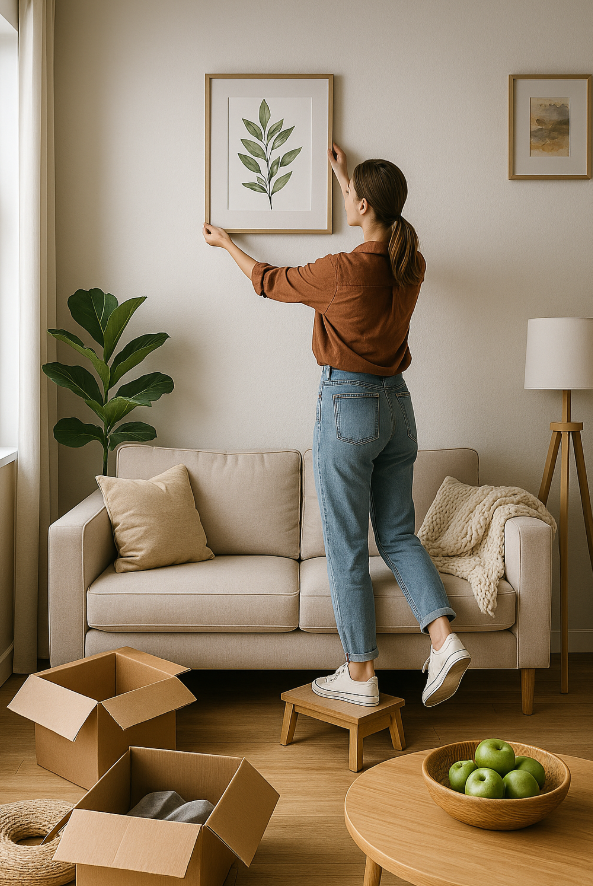
Art and accessories are imperative for creating a personalized atmosphere. Whether you opt for a large statement piece or a collection of smaller works, adjust their placement for optimal impact. Consider varying frame styles and sizes to create visual interest, and don’t shy away from displaying artifacts from your travels or hobbies, as they can spark conversations.

Using Plants for Life and Color

Plants introduce life and vibrancy, making them perfect for freshening up your decor. Think of low-maintenance varieties like succulents or snake plants if you’re short on time, or try herbs in your kitchen for functionality. Grouping different heights and textures together creates a dynamic focal point, while their natural green hues harmonize beautifully with your other decor elements.

Add plants to your living space to enhance both aesthetics and air quality. Research shows that indoor plants can improve air purity by filtering toxins, making the environment healthier. Position them near windows to take advantage of natural light, or experiment with hanging planters for a unique twist. Choose pots that complement your existing decor—ceramic, woven, or metallic—to create a seamless blend of nature and style. Consider rotating plants seasonally for continuous freshness and interest in your home.

DIY Tips and Tricks

Implementing DIY tips can elevate your space without a hefty price tag. Embrace creativity with these practical strategies:

  • Rearrange furniture to create a fresh perspective.
  • Incorporate indoor plants for added color and texture.
  • Use removable wallpaper for a dramatic accent wall.
  • Update light fixtures to enhance ambience.
  • Paint or stain furniture to breathe new life into old pieces.

Any of these simple adjustments can significantly alter how your living area feels.

Simple Projects for Immediate Impact

Start with small projects that yield instant transformation. Adding a fresh coat of paint to an accent wall can wholly change the mood of a room. Similarly, swapping old hardware on cabinets or drawers creates a modern touch without extensive work. Even something as simple as changing out throw pillows or blankets can refresh your décor and enhance comfort.

Cost-Effective Upgrades to Consider

Upgrading key features in your living space can provide significant returns without overspending. Consider installing energy-efficient LED lighting, which lowers energy costs and improves brightness. Replacing outdated faucets in kitchens and bathrooms adds modern flair, while investing in multipurpose furniture optimizes space.

These upgrades not only enhance functionality but also increase your home’s appeal. Energy-efficient lighting, for instance, can cut your energy bills by around 75%, while new faucets can modernize your space in just a few hours. Multipurpose furniture, like storage ottomans, is especially valuable in smaller areas, allowing you to maximize utility without compromising style. Each of these upgrades works harmoniously to create a cohesive, inviting environment in your home.

Final Words

On the whole, revitalizing your living space doesn’t necessitate extensive renovations. By incorporating simple changes, such as rearranging furniture, updating decor, or introducing new lighting, you can create a fresh atmosphere that reflects your style. Consider adding plants or artwork to enhance the aesthetic appeal. These minor adjustments can significantly impact your environment, making your home feel more inviting and comfortable. Embrace these practical tips to transform your space, enhancing both functionality and visual interest without the stress of major projects.