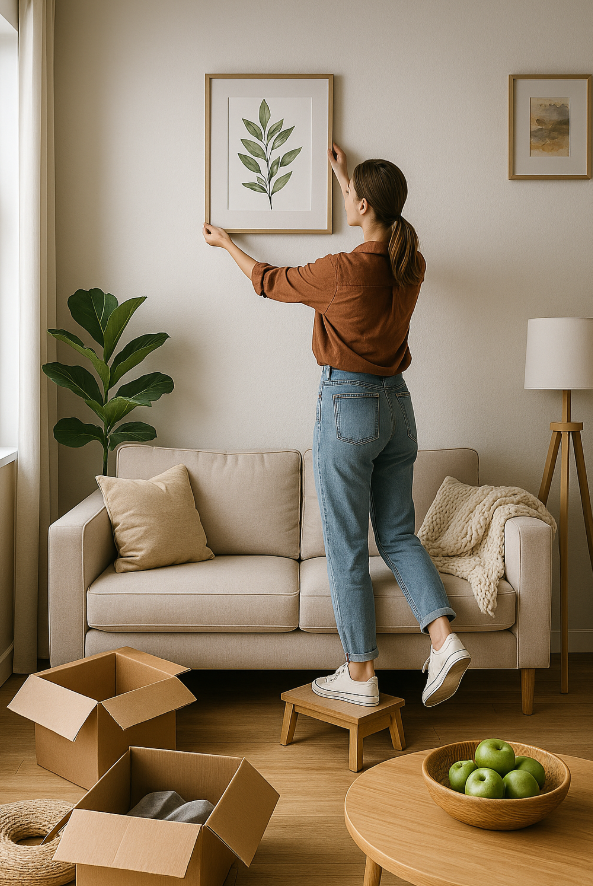
Living in the same space for a while can lead to familiarity that sometimes feels dull. You don’t need a major renovation to breathe new life into your home; simple updates can transform your environment. By incorporating fresh decor, reorganizing furniture, and adding personal touches, you can create an inviting atmosphere that reflects your style. This guide offers practical tips to help you refresh your living space effortlessly.
Assessing Your Living Space
Before making any changes, take time to assess your living space thoroughly. Consider how you use each area and what elements contribute to your overall comfort and functionality. Walk through each room with a critical eye, noting what works and what feels lacking. This initial evaluation sets the foundation for effective updates without the need for drastic changes.
Evaluating Current Layout
Observe how furniture is arranged in relation to traffic flow and activities you enjoy. A cluttered or cramped layout can detract from usability, while an open and inviting space fosters relaxation and socializing. Assess whether your setup enhances or hinders these experiences and explore possibilities for reconfiguration.
Identifying Areas for Improvement
Pinpoint specific zones that feel outdated or underutilized. Look at color schemes, lighting, and furniture choices that don’t serve your current tastes or needs. Small adjustments, like swapping out décor or rethinking the purpose of certain areas, can make a significant difference in how you perceive your space.
To identify areas for improvement effectively, create a list of your living space’s strengths and weaknesses. Perhaps one room feels too dark due to outdated light fixtures, while another suffers from overcrowding with furniture that doesn’t fit your lifestyle. Take notes on elements such as wall colors that might feel dreary, or decorative items that no longer resonate with your style. By prioritizing these areas, you can strategize targeted updates like introducing brighter lighting solutions, integrating multifunctional furniture, or even adding artwork that sparks joy and inspiration. Each small enhancement will collectively contribute to a refreshing overall atmosphere.
Color and Texture
Introducing new colors and textures can breathe new life into your living space. By carefully selecting hues that resonate with your personal style and opting for varied textures, you can create a welcoming and dynamic environment. Small changes, like painting an accent wall or layering fabrics, can make a significant impact without the need for extensive renovations.
Choosing a Fresh Color Palette
Selecting a fresh color palette can instantly shift the mood of your living space. Consider trending colors like sage green or soft terracotta to evoke a sense of warmth and comfort. Paint a single wall or refresh furniture to align with your chosen colors, ensuring they flow harmoniously with your existing décor.
Incorporating Textiles for Warmth
Incorporating textiles can add both warmth and personality to your space. Think beyond basic fabrics—layering throws, cushions, and rugs in various materials can create an inviting atmosphere. Choose soft, textured options like knits or wovens to foster a cozy feel, particularly as seasons change.
When you layer textiles, aim for a mix of patterns and textures to make your space feel rich and engaging. A chunky knit throw on a smooth leather sofa, for example, creates contrast and comfort. Don’t hesitate to experiment with different fabric types, such as cotton, linen, and wool, to discover what resonates best in your environment. Additionally, area rugs can define spaces within open-concept layouts, while curtains can soften hard lines and add cohesion to your color palette. Embrace these elements to transform your living area into a stylish sanctuary.
Furniture Arrangement
Rearranging your furniture can dramatically change the dynamics of your living space. Start by evaluating your current layout; ensure it promotes ease of movement and encourages conversation. Position larger pieces against the walls to open up the center of the room, creating a sense of spaciousness and inviting flow. You can also experiment with different configurations until you find one that feels balanced and functional.
Creating Flow and Functionality
To enhance flow, think about how you navigate through the space. Aim for clear pathways that connect different areas without obstruction. Each zone, whether for relaxing, dining, or working, should feel distinct but cohesive. Furniture should facilitate activities; for instance, place seating within reach of lighting or group a coffee table with sofas for ease of access, making the space both practical and inviting.
Utilizing Multi-Functional Furniture
Multi-functional furniture is a wise choice for maximizing space, especially in smaller areas. Look for pieces that serve dual purposes, such as an ottoman that acts as both a coffee table and extra seating, or a sofa bed for accommodating overnight guests. This approach not only saves space but also adds versatility to your living environment.
For example, a dining table with extendable leaves can transform an intimate meal into a gathering space for friends. Consider furniture that includes hidden storage, such as a bed frame with under-bed compartments or a coffee table with shelves. By selecting these adaptable pieces, you create a flexible living space that accommodates both daily needs and occasional gatherings with ease, fostering functionality in your home while keeping it stylish.
Lighting Enhancements
Enhancing your living space with lighting can dramatically alter its atmosphere and functionality. A few simple adjustments in luminance can create a welcoming environment or add a touch of sophistication. Consider layering your lighting to provide both practical illumination and artistic flair, allowing flexibility to adjust the mood based on your activities or preferences.
Importance of Natural Light
Natural light is important for creating a vibrant and uplifting living space. It boosts your mood, enhances your energy levels, and can make your rooms feel more expansive. Strategically placing mirrors or using sheer window treatments can maximize incoming sunlight, transforming even the dimmest corners into bright, inviting areas.
Selecting Ambient and Accent Lighting
Choosing the right ambient and accent lighting can elevate your space’s design and functionality. Ambient lighting serves as the general illumination, typically provided by overhead fixtures or lamps, while accent lighting highlights specific features like artwork or architectural elements. Combining warm and cool light temperatures promotes depth and character, ensuring each area meets your specific needs.
When dicking out ambient and accent lighting, focus on layering different sources to create versatile options for your space. Incorporate ceiling fixtures for overall illumination, sconces to frame architectural details, and table or floor lamps to provide softer light. For accent lighting, consider spotlights or LED strips to draw attention to artwork or plants. Aim for a balanced interplay between ambient and accent fixtures, ensuring they complement each other and contribute to a cohesive design. The goal is to foster a dynamic environment that adapts to your activities, from reading and working to entertaining guests.
Decorative Elements
Incorporating decorative elements into your living space adds personality and warmth. Simple decorations like throw pillows, area rugs, and wall hangings can provide vibrant splashes of color and texture. Consider themes that resonate with you—bohemian, modern, or vintage—to create a cohesive look. Changing out seasonal decorations or personal artifacts also keeps your space feeling fresh and uniquely yours.
Incorporating Art and Accessories
Art and accessories are imperative for creating a personalized atmosphere. Whether you opt for a large statement piece or a collection of smaller works, adjust their placement for optimal impact. Consider varying frame styles and sizes to create visual interest, and don’t shy away from displaying artifacts from your travels or hobbies, as they can spark conversations.
Using Plants for Life and Color
Plants introduce life and vibrancy, making them perfect for freshening up your decor. Think of low-maintenance varieties like succulents or snake plants if you’re short on time, or try herbs in your kitchen for functionality. Grouping different heights and textures together creates a dynamic focal point, while their natural green hues harmonize beautifully with your other decor elements.
Add plants to your living space to enhance both aesthetics and air quality. Research shows that indoor plants can improve air purity by filtering toxins, making the environment healthier. Position them near windows to take advantage of natural light, or experiment with hanging planters for a unique twist. Choose pots that complement your existing decor—ceramic, woven, or metallic—to create a seamless blend of nature and style. Consider rotating plants seasonally for continuous freshness and interest in your home.
DIY Tips and Tricks
Implementing DIY tips can elevate your space without a hefty price tag. Embrace creativity with these practical strategies:
- Rearrange furniture to create a fresh perspective.
- Incorporate indoor plants for added color and texture.
- Use removable wallpaper for a dramatic accent wall.
- Update light fixtures to enhance ambience.
- Paint or stain furniture to breathe new life into old pieces.
Any of these simple adjustments can significantly alter how your living area feels.
Simple Projects for Immediate Impact
Start with small projects that yield instant transformation. Adding a fresh coat of paint to an accent wall can wholly change the mood of a room. Similarly, swapping old hardware on cabinets or drawers creates a modern touch without extensive work. Even something as simple as changing out throw pillows or blankets can refresh your décor and enhance comfort.
Cost-Effective Upgrades to Consider
Upgrading key features in your living space can provide significant returns without overspending. Consider installing energy-efficient LED lighting, which lowers energy costs and improves brightness. Replacing outdated faucets in kitchens and bathrooms adds modern flair, while investing in multipurpose furniture optimizes space.
These upgrades not only enhance functionality but also increase your home’s appeal. Energy-efficient lighting, for instance, can cut your energy bills by around 75%, while new faucets can modernize your space in just a few hours. Multipurpose furniture, like storage ottomans, is especially valuable in smaller areas, allowing you to maximize utility without compromising style. Each of these upgrades works harmoniously to create a cohesive, inviting environment in your home.
Final Words
On the whole, revitalizing your living space doesn’t necessitate extensive renovations. By incorporating simple changes, such as rearranging furniture, updating decor, or introducing new lighting, you can create a fresh atmosphere that reflects your style. Consider adding plants or artwork to enhance the aesthetic appeal. These minor adjustments can significantly impact your environment, making your home feel more inviting and comfortable. Embrace these practical tips to transform your space, enhancing both functionality and visual interest without the stress of major projects.