Categories
Uncategorized

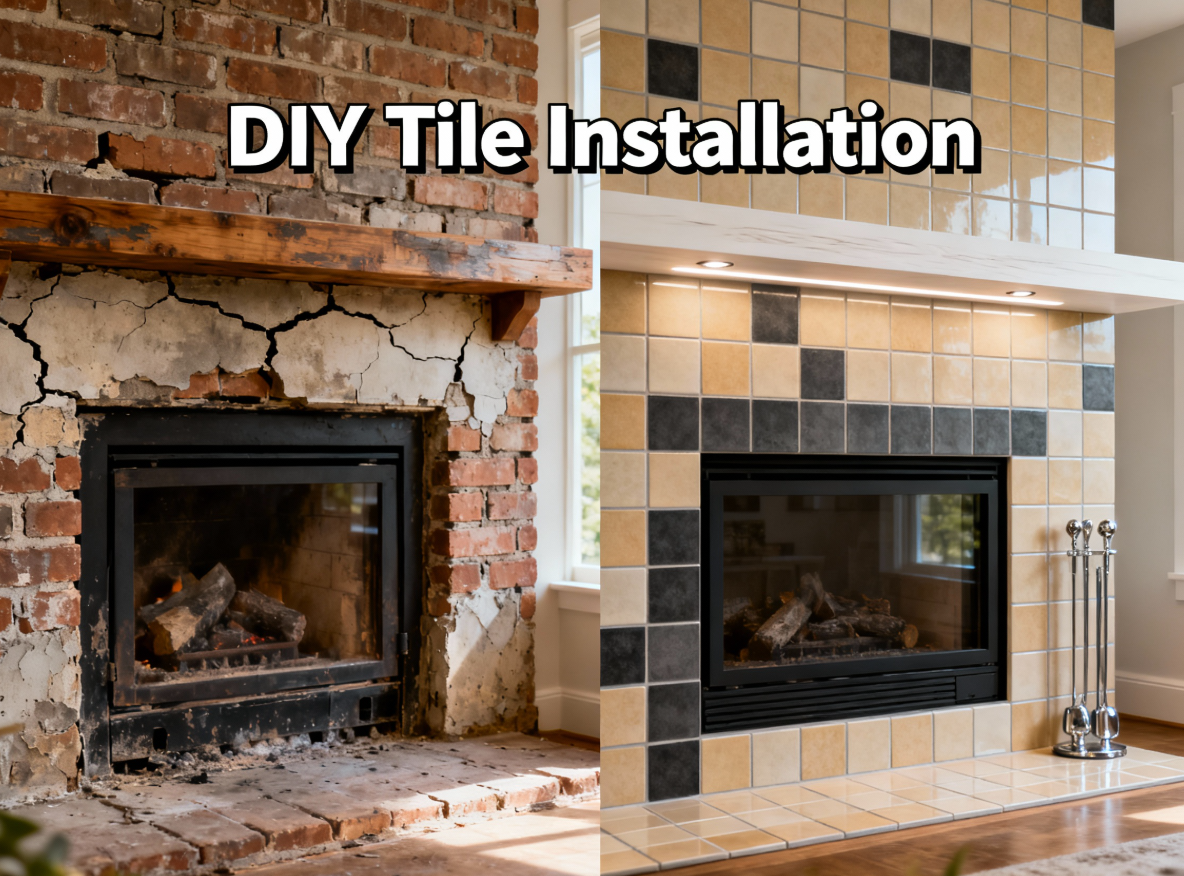
Before & After: Transforming Your Outdated Fireplace with Simple DIY Tile

Your fireplace is the architectural heart of your living room, yet many homes are saddled with bulky, dark, or simply dated brick and brass surrounds. If your unit is an eyesore rather than a cozy centerpiece, it’s time to start Transforming Your Outdated Fireplace. This project does not require expensive demolition; often, the highest impact changes involve simple DIY techniques like painting the brick, adding shiplap to the tablecloth, or applying a modern tile overlay. We cover the most effective, budget-friendly strategies to update your hearth and give your entire room a dramatic, contemporary refresh.


If your fireplace feels outdated, a simple DIY tile project can transform it into a stunning focal point. Start by evaluating its current style and condition, then choose tiles that match your taste. With the right materials and a bit of planning, you’ll be on your way to a fresh look. Want to know how to tackle each step for a seamless installation? Let’s explore the process together.

Assessing Your Current Fireplace

Before diving into your fireplace transformation, it’s essential to assess your current setup.

Take a good look at your fireplace style and how it fits into your living space. Is it outdated, or does it still have charm? Make notes on its condition—cracks, discoloration, or wear can affect functionality.

Consider how you use the fireplace: does it serve as a cozy gathering spot, or is it just decorative? A functionality assessment will help you determine what changes you need.

Take photos from different angles to visualize potential updates. This step not only informs your design choices but also connects you to your home’s story.

Embrace this process; your fireplace has the power to bring warmth and connection to your space.

Choosing the Right Tile

When you’re ready to elevate your fireplace, choosing the right tile can make all the difference.

Start by reflecting on tile materials—ceramic, porcelain, or natural stone each offer unique styles and durability. Think about how these materials fit into your home’s aesthetic.

Next, let’s talk color combinations. You might want earthy tones for a cozy feel or bold colors to create a statement. Picture how those colors will harmonize with your living space; it’s about creating a welcoming vibe.

Don’t forget to contemplate the size and shape of the tiles, too. Larger tiles can make a small space feel grand, while smaller tiles can add intricate detail.

Trust your instincts, and choose what resonates with your personal style!

Preparing Your Workspace

Now that you’ve chosen the perfect tile for your fireplace, it’s time to focus on your workspace. Start by clearing the area around your fireplace. A clean, organized workspace makes all the difference!

Lay down a drop cloth to protect your flooring from dust and debris. Gather your tools and materials, keeping them within arm’s reach for easy access.

Don’t forget about safety precautions! Wear gloves and goggles to protect yourself from sharp edges and dust. If you’re using a power tool, guarantee you have adequate lighting, so you can see what you’re doing.

An organized space not only enhances efficiency but also makes the whole process more enjoyable. Get ready to transform that fireplace into the centerpiece it deserves to be!

Gathering Your Materials

Gathering your materials is an essential step in your fireplace transformation. First, decide on the tile types you want—ceramic, porcelain, or glass can each bring a unique flair. Picture how they’ll complement your living space!

Next, head to reliable material sources like local home improvement stores or online retailers. Don’t forget to grab adhesive, grout, and any necessary tools, like a tile cutter or spacers. If you’re unsure, many stores offer samples, which can help you visualize your design before committing.

It’s all about creating a space that feels like home, so take your time selecting pieces that resonate with your style. With everything ready, you’ll feel excited to plunge into your DIY project!

Removing Old Surrounds

Removing old surrounds is an essential step in your fireplace transformation, and it can be a bit of a workout!

First, assess the surround materials—whether they’re brick, wood, or tile. Depending on what you find, you’ll need different removal techniques. For tile, a chisel and hammer work wonders; just be careful not to damage the underlying surface.

If you’re dealing with wood, a pry bar can help you carefully lift the boards away. Always wear safety goggles and gloves to protect yourself.

As you peel away the old layers, visualize your new design taking shape. It’s a rewarding process, and soon, you’ll be ready to create a cozy centerpiece that truly reflects your style!

Cleaning and Repairing the Surface

After stripping away the old surrounds, you’ll want to focus on cleaning and repairing the surface to confirm a smooth foundation for your new design.

Start with some effective cleaning techniques—use a mixture of warm water and mild soap to scrub away any grime. A stiff brush can help tackle stubborn spots.

Once it’s clean, inspect the surface for any cracks or chips. For surface repairs, fill these imperfections with a patching compound, smoothing it out for an even finish.

Don’t forget to let it dry completely before moving on to tile placement. A well-prepped surface not only enhances the look but also confirms your new tiles adhere properly, making your fireplace a cozy focal point in your home.

Measuring and Planning Your Tile Layout

Before you plunge into tile placement, it’s essential to measure and plan your layout carefully—this step can make or break your fireplace transformation.

Start by determining your tile dimensions. Measure the area you want to cover, noting any obstacles like mantels or built-ins.

Next, visualize your layout patterns. Do you want a classic grid, a herringbone, or something more unique? Lay the tiles out on the floor first to see how they interact with your space. This helps you catch any potential issues before committing.

Take your time here; a well-planned layout not only looks great but also makes installation smoother. You’re creating a cozy spot that reflects your style, so make it count!

Applying Tile Adhesive

Now that you’ve got your tile layout planned, it’s time to choose the right adhesive for your project.

You’ll want something that bonds well and can handle the heat, so check the labels carefully.

When applying the adhesive, spread it evenly with a notched trowel to guarantee your tiles stick perfectly.

Choosing the Right Adhesive

Choosing the right adhesive for your tile is essential to guarantee a lasting, beautiful finish on your fireplace transformation.

You’ll encounter various tile adhesive types, like thin-set mortar or mastic, so consider your tile’s surface compatibility. For instance, if you’re tiling a non-porous surface, mastic might be your best bet. On the other hand, thin-set works well for more porous materials.

Don’t forget to read the manufacturer’s recommendations to ascertain you’re picking the right adhesive for your specific tiles and fireplace material.

It’s all about creating a solid bond that stands the test of time. So, gather your supplies, choose wisely, and get ready to transform your space into a cozy gathering spot for friends and family!

Applying Adhesive Evenly

With the right adhesive in hand, you’re ready to start applying it to your fireplace.

First, choose the adhesive type that suits your tiles—thin-set mortar for heavier tiles or adhesive mastic for lighter ones.

Use a notched trowel to spread the adhesive evenly across the surface. Hold the trowel at a 45-degree angle for those perfect ridges that help create a strong bond.

Don’t rush; work in small sections so the adhesive doesn’t dry out before you place your tiles.

Remember, less is more—too much adhesive can lead to uneven tiles.

Follow these application tips, and you’ll create a beautiful, cohesive look that makes your fireplace the heart of your home!

Installing the Tiles

As you plunge into the exciting process of installing the tiles, keep in mind that preparation is key to achieving a polished look.

Start by laying out your tiles in the desired pattern, following current fireplace design trends. This visual guide helps you see how they’ll fit together before you begin.

Using effective tile installation techniques, apply each tile firmly, ensuring even spacing. Don’t be afraid to adjust as you go; it’s all part of the creative process!

If you’re using different sizes or colors, take your time to create a balanced appearance.

Grouting the Tiles

Once your tiles are securely in place, grouting is the next step that brings everything together. Choose the right grout type—either sanded for wider joints or unsanded for thinner ones.

Grab a grout float and scoop some grout onto it, spreading it diagonally over the tiles to fill the gaps. Don’t worry about getting it perfect; you’re just aiming to fill those spaces!

Now, let’s talk grout colors. This is where you can really personalize your fireplace. A light grout can create a clean, modern look, while a darker shade can add depth and warmth.

Once you’ve filled the joints, wipe off any excess with a damp sponge. You’re one step closer to enjoying your stunning new fireplace!

Sealing and Finishing Touches

Now that you’ve grouted your tiles, it’s time to seal the deal!

Choosing the right sealant will protect your hard work, while proper application techniques guarantee it lasts.

Don’t forget those final touches that’ll make your fireplace pop and truly reflect your style!

Choosing the Right Sealant

How can you guarantee your DIY fireplace transformation stands the test of time? Choosing the right sealant is key.

Look for sealant types that suit your tile material—silicone, epoxy, or acrylic are popular choices. Each type offers unique benefits, so consider the look and durability you want. For instance, silicone provides flexibility and water resistance, while epoxy is incredibly tough and ideal for high-traffic areas.

When it comes to application methods, make certain you follow the manufacturer’s instructions for the best results.

Whether using a caulking gun or a brush, a clean, even layer will help protect your beautiful work. By taking these steps, you’ll not only enhance the look of your fireplace but also make sure it remains a cherished gathering spot for years to come.

Application Techniques for Durability

While you might be enthusiastic to show off your newly transformed fireplace, taking the time to master application techniques can make all the difference in its longevity.

Start by applying your chosen sealant evenly, focusing on the grout lines and edges. This guarantees maximum protection against moisture and wear, two key durability factors.

Don’t rush; allow each coat to dry fully before applying another. After sealing, perform regular tile maintenance by cleaning gently with non-abrasive materials to avoid damaging your new surface.

A little care goes a long way in maintaining that fresh look and extending the life of your beautiful tile.

Final Touches for Aesthetics

With your fireplace sealed and protected, it’s time to turn your attention to the finishing touches that will elevate its aesthetic appeal.

Start by adding decorative accents that reflect your style—think candle holders, art pieces, or even a cozy throw draped nearby. For color coordination, choose items that complement your tile tones; this creates a cohesive look that feels inviting and harmonious.

Consider incorporating greenery, like potted plants or flowers, to breathe life into the space.

Finally, don’t forget about the lighting—soft, warm lights can highlight your fireplace’s beauty and create a welcoming atmosphere.

These thoughtful details won’t only enhance your fireplace but also foster a sense of belonging in your home.

Styling Your Updated Fireplace

Your updated fireplace is the perfect canvas for showcasing your personal style, and it’s time to make it shine.

Start by choosing a color scheme that complements your room—think warm earth tones or cool blues.

Layer your fireplace decor with a mix of textures; try candles, framed art, or even a stylish clock to create visual interest.

Don’t forget to incorporate greenery—plants can add a fresh touch and warmth to your space.

Arrange your decor thoughtfully, ensuring it feels balanced and inviting.

Consider adding a cozy throw or decorative basket nearby to enhance that sense of belonging.

With these tips, your fireplace won’t only be a focal point but also a reflection of your unique style.
Categories
Uncategorized

How To Hang Curtains

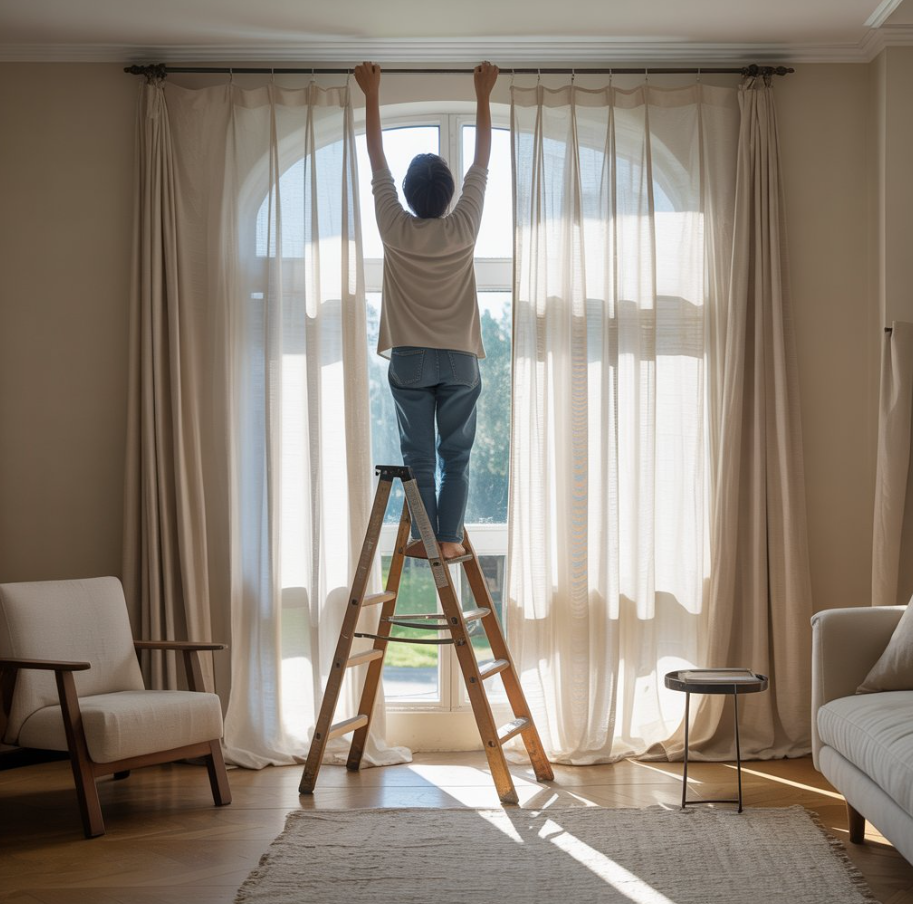
Hanging curtains seems simple, but getting it wrong can make your windows look small, your ceilings low, and your room feel cramped. Knowing the correct technique for how to hang curtains is a transformative skill that allows you to instantly upgrade your room’s aesthetic, maximizing natural light and adding a sense of height.

This isn’t just about covering glass; it’s about strategic placement. We walk you through the essential measurements, hardware selection, and insider design tricks to ensure your curtains are hung perfectly—making your entire room feel bigger and more professionally decorated. So, if you’re ready to elevate your room’s aesthetic, let’s explore the essential steps for achieving a flawless finish.

Choosing the Right Curtain Hardware


When it comes to choosing the right curtain hardware, the options can feel overwhelming, but don’t worry—let’s break it down.

Start by considering the style of your space. If you’re after a modern vibe, sleek metal rods can add a chic touch. For a more rustic look, think wooden rods with decorative finials that invite warmth.

Pay attention to color, too; coordinating with your curtains can create a harmonious flow. Don’t forget about functionality! Brackets should be sturdy enough to support your chosen fabric, while rings or clips can add a delightful touch of elegance.

Ultimately, choose hardware that resonates with your personal style and makes your space feel like home, because you deserve a sanctuary that reflects your unique essence.

Measuring and Positioning Your Curtains


To achieve a beautifully draped window treatment, getting your measurements right is essential. Start by measuring the width of your window, then add extra for fullness—typically 1.5 to 3 times the width.

Next, determine the desired length, whether you want your curtains to graze the floor or float elegantly above it. Position your curtain rod at least 4-6 inches above the window frame to create an illusion of height and allow more light to enter.

Make sure to hang the rod wider than the window to let the fabric stack back beautifully when open. With these thoughtful measurements, you’ll not only enhance your space’s aesthetics but also create a warm, inviting atmosphere that makes everyone feel at home.

how to hang curtains

Installation Tips for a Flawless Finish


With your measurements in hand and a clear vision for your curtains, it’s time to bring that vision to life through careful installation. Start by marking the drill points with a pencil, ensuring everything’s level.

Use a stud finder to anchor those brackets securely; nothing feels better than knowing your curtains are safe and sound. When hanging, allow your curtains to kiss the floor for an elegant touch.

If you’re using tiebacks, position them at eye level for a cohesive look. Finally, step back and admire the drape—adjust as needed to achieve that perfect flow.

With attention to detail, you’ll create a warm, inviting space that feels uniquely yours.

Categories
Uncategorized

How Much Does a Full Bathroom Remodel Cost?

full bathroom remodel usually costs between $10,000 and $25,000. This price depends on the project’s scope and the materials you choose. If you want high-quality fixtures and skilled labor, your budget might increase. Remember, luxurious materials are durable but come with a higher price tag. With thoughtful planning and budgeting, you can create a beautiful space without overspending. There’s more to know about influencing factors and budgeting strategies, so keep exploring!

Understanding the Average Cost of a Bathroom Remodel

When considering a bathroom remodel, understanding the average cost can help you make informed decisions that fit your budget.

Typically, average costs for a full bathroom remodel range from $10,000 to $25,000, depending on the scope and materials you choose.

It’s essential to stay updated on remodeling trends, as they can influence your choices and budget. For instance, opting for energy-efficient fixtures or modern tiles might initially seem pricier but can save you money in the long run.

Investing in quality materials and skilled labor often pays off, enhancing your home’s value.

Key Factors Influencing Bathroom Remodeling Costs

When planning your bathroom remodel, several key factors can greatly influence the overall cost.

The quality of materials you choose, the breakdown of labor costs, and the complexity of your design all play vital roles in determining your budget.

Understanding these elements will help you make informed decisions and keep your project on track.

Material Quality Impact

Although you might be tempted to cut costs with lower-quality materials, the impact on your bathroom remodel can be significant.

Choosing budget materials may save you money upfront, but they often wear out faster and can lead to costly repairs in the long run.

On the other hand, opting for luxury materials can elevate your space, providing durability and a sophisticated look.

Think about high-quality tiles, elegant countertops, and stylish fixtures that not only enhance your bathroom’s aesthetic but also add value to your home.

When planning your remodel, weigh the long-term benefits of investing in quality materials against initial savings.

In the end, a well-thought-out choice can make all the difference in your bathroom’s functionality and appeal.

Labor Costs Breakdown

Investing in quality materials sets the stage, but labor costs can greatly impact your overall bathroom remodel budget. Understanding current labor wage trends is essential for estimating these expenses.

Skilled tradespeople like plumbers and electricians typically command higher wages, reflecting their expertise. When you’re ready to hire contractors, don’t shy away from negotiations; many are open to discussing pricing, especially if you have multiple projects in mind.

Be sure to get multiple quotes to compare rates and gauge the market. Remember, while it might be tempting to cut costs by opting for cheaper labor, investing in skilled professionals often pays off in the long run through quality workmanship and fewer issues down the line.

Design Complexity Factors

Design complexity plays an essential role in determining your bathroom remodel costs, as the intricacy of your plans can greatly affect both materials and labor expenses.

If you’re following the latest design trends, like floating vanities or intricate tile patterns, expect to pay a premium. Additionally, layout optimization can complicate your project. Moving plumbing fixtures or walls requires skilled labor and can notably increase costs.

The more customized your design, the higher the potential expenses. To keep your budget in check, consider simplifying your design or choosing readily available materials. Balancing aesthetic desires with practical solutions can help you achieve a beautiful bathroom without overspending.

Budgeting for Fixtures and Fittings

When planning your bathroom remodelbudgeting for fixtures and fittings can make or break your project. You’ll need to decide between luxury fixtures that elevate your space and budget fittings that keep costs down.

Start by listing essential items like faucets, sinks, and lighting. Research prices to find a balance that fits your vision and wallet.

Consider where you can splurge—perhaps on a high-end showerhead or stylish vanity—while saving on items like towel bars or basic faucets.

Don’t forget to factor in costs for installation and any necessary plumbing adjustments.

The Importance of Labor Costs

When planning your bathroom remodel, don’t underestimate the impact of labor costs on your overall budget.

Skilled labor rates can vary greatly based on your location and the complexity of the project.

Understanding these factors will help you allocate your resources effectively and avoid surprises down the line.

Skilled Labor Rates

While you might focus on selecting tiles and fixtures for your bathroom remodel, don’t overlook the impact of skilled labor rates on your overall budget.

Hiring professionals in skilled trades guarantees that your project is completed efficiently and to a high standard. The expertise of plumbers, electricians, and carpenters can greatly affect your remodel’s success and longevity.

Remember, you’re not just paying for their time; you’re investing in their specialized knowledge and experience. Rates can vary widely based on location, the complexity of the work, and the professionals’ qualifications.

It’s wise to get multiple estimates and understand what’s included, making sure you stay within budget while securing high-quality labor expertise for your bathroom transformation.

Project Complexity Impact

Understanding how project complexity impacts labor costs can greatly influence your bathroom remodel budget. The size of your project plays a vital role; larger renovations typically require more skilled labor, which can drive up costs.

If you’re planning to move plumbing or electrical systems, expect additional labor expenses due to the intricacy involved. A straightforward update, like replacing fixtures, may be less costly and quicker to complete, reducing your renovation timeline.

However, intricate designs or custom installations can extend that timeline considerably, further increasing labor costs. By evaluating the complexity of your project and its size, you can better estimate labor expenses and make informed decisions that keep your remodel on budget.

Choosing the Right Materials

Choosing the right materials for your bathroom remodel can greatly impact both the aesthetics and functionality of the space. Start by considering material durability; you want options that can withstand moisture and daily use.

For floors, tiles or vinyl are excellent choices, while countertops can benefit from quartz or granite for their resilience. Don’t forget about eco-friendly options, like bamboo or recycled materials, which not only reduce your carbon footprint but also add a unique touch.

Consider your style as well—mixing textures can create visual interest. Always balance cost with quality; investing in durable materials can save you money on repairs in the long run.

Ultimately, the right materials will enhance your bathroom’s beauty and longevity.

Design and Layout Considerations

When planning your bathroom remodeleffective design and layout are key to maximizing both function and style.

Think about how you can use your space efficiently, optimize the placement of fixtures, and choose an aesthetic that reflects your personal taste.

Space Utilization Strategies

Maximizing space in your bathroom remodel can transform a cramped area into a functional oasis. To achieve ideal space efficiency, consider layout adjustments that enhance flow and accessibility.

Start by evaluating the current layout; sometimes, shifting fixtures or moving walls can open up the area considerably.

Utilize vertical space with tall cabinets or shelving to store essentials without cluttering the floor. Incorporating corner sinks or compact vanities can also free up valuable square footage.

Think about multi-functional elements, like a mirror with built-in storage, to maximize utility.

Finally, choose lighter colors and proper lighting to create an illusion of a larger space. These strategies will guarantee your bathroom feels both spacious and inviting.

Fixture Placement Optimization

Effective fixture placement is essential for creating a bathroom that feels both functional and inviting. You want to contemplate your fixture layout carefully to guarantee ideal positioning.

Start by placing the toilet for privacy and accessibility, ideally at least 15 inches from the nearest wall. Next, think about the sink; it should be easily accessible but not cramped, ideally 30 inches apart from the toilet.

For the shower or tub, make certain it’s in a spot that maximizes space while allowing for easy access. Finally, reflect on the flow of movement—people shouldn’t have to navigate around fixtures awkwardly.

Aesthetic Style Choices

Choosing the right aesthetic style for your bathroom can greatly impact its overall vibe and functionality.

You might lean towards modern aesthetics with sleek lines and minimalist design, utilizing neutral color palettes and simple tile selections.

Alternatively, if you prefer vintage charm, consider vintage-inspired fixtures, ornate cabinetry choices, and warm, inviting colors.

Don’t forget lighting options—modern fixtures add a contemporary touch, while antique sconces can enhance a classic feel.

Incorporating natural elements, like wood or stone, can create a relaxing atmosphere.

If luxury finishes are what you seek, opt for high-end materials like marble or brass fixtures.

Ultimately, your choices should reflect your personal style while ensuring a cohesive and functional space.

Permits and Regulations to Keep in Mind

Before diving into your bathroom remodel, it’s vital to contemplate the necessary permits and regulations that may apply to your project.

Start by checking your local building codes and zoning regulations, as these can vary markedly by area. You’ll likely need to submit a permit application detailing your plans, which may also require specific documentation.

Be aware of inspection requirements during the renovation process; failing to comply can lead to costly setbacks.

Additionally, consider environmental considerations like water usage and waste disposal to guarantee your remodel meets sustainability standards.

Finally, adhering to safety standards is essential, especially when working with plumbing and electrical systems. Staying informed will help your project run smoothly and legally.

Hidden Costs to Anticipate

While you might’ve a budget in mind for your bathroom remodel, several hidden costs can sneak up on you if you’re not careful.

Unexpected repairs often arise, especially in older homes where plumbing or electrical issues may go unnoticed until the remodel begins. These repairs can quickly add to your expenses, so it’s wise to factor in a buffer for such surprises.

Additionally, hidden fees from contractors, permit applications, or even delivery charges for materials can inflate your budget. Always obtain detailed estimates and ask about potential extra costs upfront.

Tips for Staying Within Budget

When you’re planning a bathroom remodel, staying within budget is essential to guaranteeing the project doesn’t become overwhelming. Start by setting a realistic budget and sticking to it.

Research budget-friendly materials that provide quality without breaking the bank. For instance, consider laminate countertops instead of granite or vinyl flooring instead of tile.

Don’t forget to prioritize your needs over wants; focus on essential updates. Use cost-saving tips like repurposing existing fixtures or opting for a fresh coat of paint instead of a complete overhaul.

Compare prices from different suppliers to guarantee you’re getting the best deals. By planning carefully and making smart choices, you can achieve your dream bathroom without financial stress.

Financing Options for Your Bathroom Remodel

How can you finance your bathroom remodel without straining your budget? Start by exploring personal loans or credit options, which can provide quick access to cash.

If you’ve built up home equity, consider a home equity loan for potentially lower interest rates. Many contractors offer financing plans, allowing you to pay over time while managing your budget allocation effectively.

Implement savings strategies to set aside funds specifically for this project. Additionally, refinancing options on your mortgage might free up cash for renovations.

Whichever method you choose, make certain you engage in financial planning to avoid overspending and keep those interest rates in check.

With the right approach, you can achieve your dream bathroom without breaking the bank.