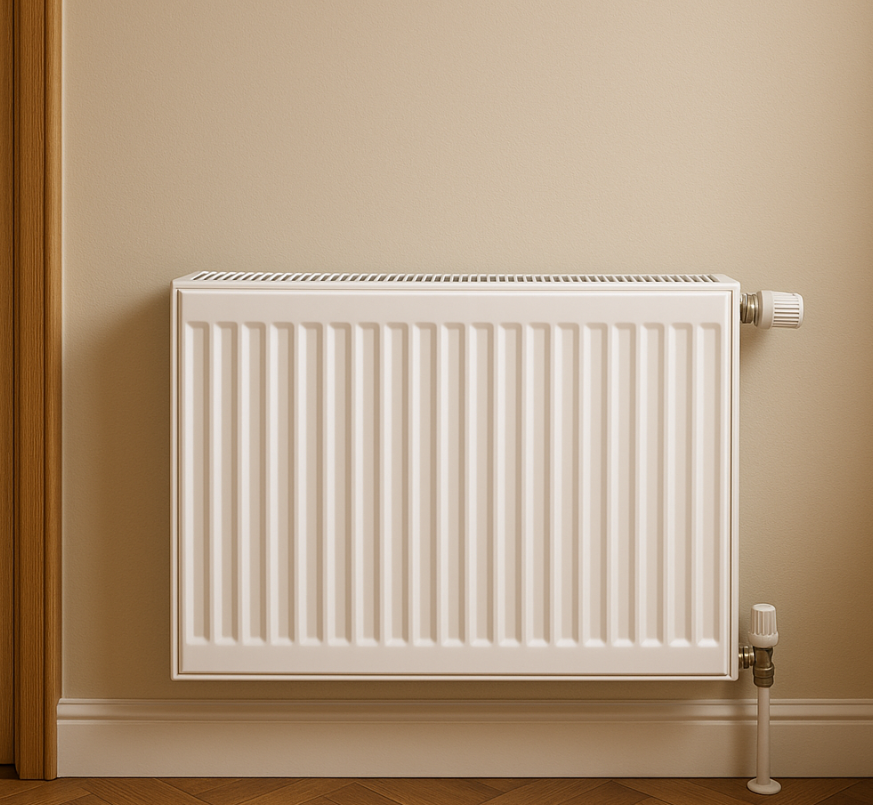
Energy costs play a significant role in your home’s heating expenses, making it crucial to choose an efficient central heating system. You may be wondering which options are the most cost-effective for your needs. In this post, we will explore various central heating systems, their operational costs, and factors that affect your overall expenses, helping you make an informed decision to keep your home warm without overspending.
Understanding Central Heating Systems
Central heating systems are necessary for maintaining warmth and comfort in your home during colder months. They function by distributing heat from a central source throughout your living space, often using water or air as the heating medium. Various systems are designed to meet different needs, energy sources, and efficiency levels, which can significantly impact your heating costs.
Types of Central Heating Systems
Several types of central heating systems are available, each catering to different home layouts and preferences. These include:
- Gas Boilers
- Electric Boilers
- Oil Boilers
- Heat Pumps
- Wood or Pellet Stoves
This variety allows you to choose a system that best suits your home and budget.
| Type of System | Typical Efficiency (%) |
| Gas Boiler | 90-98 |
| Electric Boiler | 95-100 |
| Oil Boiler | 85-95 |
| Heat Pump | 300-400 |
Efficiency Ratings and Costs
When selecting a central heating system, understanding efficiency ratings is crucial since these ratings directly affect your operating costs. Systems with higher efficiency ratings convert more energy into heat, which reduces energy bills in the long run. The initial installation costs may vary, but the savings on utility bills often justify the investment in a more efficient system.
For instance, a heat pump may have a higher upfront cost than a traditional gas boiler, but its efficiency can potentially save you hundreds annually on energy costs. On the other hand, oil boilers, while less efficient, are sometimes preferred in areas without gas supply. Your choice ultimately hinges on balancing initial costs with long-term savings and efficiency preferences.
Factors Affecting Heating Costs
Your heating expenses are influenced by several factors that determine how efficiently your system operates. Key elements include the type of heating system, insulation quality, thermostat settings, and the size of your home.
- Type of central heating system
- Insulation quality
- Thermostat settings
- Size of your home
Perceiving these influences can help you optimize your heating costs.
Energy Prices
Energy prices fluctuate based on market conditions, policies, and demand. Spotting trends in natural gas, electricity, or oil prices allows you to make informed decisions about the most economical heating system to use in your home. For example, opting for a gas furnace may be cheaper in some areas than electric heaters.
Local Climate
Your local climate significantly impacts heating costs. Homes in colder regions typically require more robust heating systems, leading to higher energy consumption. For instance, a well-insulated home in a milder climate might benefit from a heat pump, while those in frigid areas may rely on gas boilers for greater efficiency.
In regions with extreme winters, the demands on your heating system are amplified, causing increased energy usage. Understanding the average temperature ranges and seasonal variations can help you select a heating system that best suits your environment. Such systems may include options like biomass boilers or geothermal heat pumps, which can offer cost-effective solutions in colder climates.
The Cheapest Options for Central Heating
When considering central heating, some systems stand out for their affordability both in initial setup and ongoing running costs. Each option presents distinct advantages. Evaluating electric, gas, and renewable energy systems can help you make an informed decision tailored to your needs and budget.
Electric Heating Systems
Electric heating systems, like electric radiators and underfloor heating, offer low installation costs and are easy to maintain. They convert electricity directly into heat, providing immediate warmth. While electricity prices can fluctuate, off-peak tariffs may help you save on running costs, especially if you schedule usage during quieter periods.
Gas Heating Systems
Gas heating systems are often considered one of the most cost-effective heating methods for homes. They typically have lower fuel costs than electricity, resulting in savings on your energy bills. Additionally, modern gas boilers are highly efficient, converting over 90% of energy into heat, which can significantly reduce your overall heating expenses.
In areas where natural gas is available, you can benefit from lower rates compared to electric heating. Gas systems also provide rapid heating and are generally more environmentally friendly than electric systems, especially when combined with renewable gas sources. Choosing a high-efficiency condensing boiler can further optimize energy usage, ensuring you get the most for your money.
Renewable Energy Solutions
Investing in renewable energy solutions, like heat pumps and solar heating, can dramatically lower your heating costs over time. While the initial investment might be higher, government incentives and savings on energy bills can make these options economically viable, especially in energy-conscious households.
Heat pumps utilize renewable energy from the air or ground to generate heat, offering copious savings over traditional systems. For instance, a ground-source heat pump can produce three to four times more energy in heat than it consumes in electricity. Solar thermal systems can further reduce your reliance on fossil fuels, allowing you to harness the sun’s power to heat your home efficiently and sustainably. Embracing these technologies not only cuts costs but also promotes a greener lifestyle.
Comparison of Central Heating Systems
| Heating System | Annual Running Cost (£) |
|---|---|
| Gas Boiler | 600-800 |
| Electric Heating | 1,200-1,800 |
| Oil Heating | 800-1,200 |
| Heat Pumps | 500-1,000 |
| Wood Pellets | 700-900 |
Cost Analysis
When evaluating the cost of central heating systems, it’s crucial to look beyond the initial installation price. While gas boilers might have a lower setup cost, their operational costs can add up significantly depending on gas prices. On the other hand, heat pumps, despite higher upfront costs, generally offer lower running expenses, possibly saving you more in the long run.
Long-term Savings
Long-term savings are a vital consideration in your heating system choice, as they impact your overall financial strategy. Although some systems have higher initial costs, lower running costs, and maintenance fees often mean significant savings over time. Investing in energy-efficient systems can reduce your energy bills and possibly qualify you for government grants or rebates, making a substantial difference to your finances.
For instance, a household with a heat pump may spend approximately 40% less annually compared to traditional gas heating. Additionally, maintaining modern systems is typically less frequent and cheaper, meaning lower maintenance expenses throughout their lifespan. Thus, choosing the right central heating system not only helps in immediate costs but also accumulates considerable savings as years go by.
Maintenance and Running Costs
To ensure your central heating system remains cost-effective over time, understanding its maintenance and running costs is vital. Regular maintenance can significantly extend the lifespan of your unit, prevent breakdowns, and improve efficiency, reducing your overall energy expenses. Investing time and resources into keeping your system in top condition means you will enjoy low running costs and reliable performance.
Regular Maintenance
Routine maintenance, such as yearly inspections and cleaning, helps you identify and address issues before they escalate. Simple tasks like bleeding radiators, checking for leaks, and replacing filters can enhance performance. Scheduling a professional servicing annually can lead to significant savings on potential repairs and energy bills down the line.
Impact on Efficiency
The efficiency of your heating system directly affects your energy costs. A well-maintained system operates closer to its optimal capacity, ensuring you use less fuel. Conversely, neglecting maintenance can lead to decreased performance, making your heating system work harder and driving up your energy bills.
A study by the Energy Saving Trust indicates that a poorly maintained boiler can lose up to 30% of its efficiency, resulting in hundreds of dollars in unnecessary costs annually. By prioritizing maintenance, you optimize your heating system’s efficiency, ultimately reducing energy consumption and monthly expenses. Regular servicing not only aids in maintaining efficiency but also helps identify any potential upgrades that could further reduce operational costs.
Regional Considerations
When evaluating heating systems, regional factors significantly impact your overall costs. Variations in climate, fuel availability, and local energy prices can greatly affect efficiency and running expenses. For example, in areas where natural gas is abundant, a gas boiler may emerge as the most affordable option. Conversely, regions heavily reliant on electricity might find electric heating systems more feasible. Understanding your local context enables you to tailor your choices to suit both climate conditions and cost-effectiveness.
Urban vs. Rural Heating Costs
Your heating expenses can differ markedly between urban and rural settings. In urban areas, you may benefit from advanced heating technologies and possibly lower labor costs for installation and maintenance. However, rural locations might have limited options, often leading you to rely on more expensive alternatives. Additionally, transport costs for fuel deliveries can affect overall expenses significantly, making location a vital factor in determining your heating setup.
Incentives and Rebates
Financial incentives and rebates for specific heating systems can significantly lower your initial investment and long-term running costs. Many governments and local authorities offer programs to encourage energy-efficient technologies like heat pumps or solar heating, with rebates often covering a percentage of installation expenses. Accessing these incentives can result in substantial savings, making it vital to research available options.
For instance, in the UK, the Renewable Heat Incentive (RHI) allows homeowners to receive payments for generating heat from renewable sources. By utilizing such programs, you might recoup installation costs over time while also reducing your carbon footprint. Additionally, energy efficiency grants often offer financial help for updating insulation and technology, enhancing your heating system’s performance and further lowering your bills. Be proactive about exploring these opportunities to maximize savings and minimize running costs.
Summing up
Taking this into account, the cheapest central heating system for you to run will typically be a gas or biomass boiler, as they offer lower fuel costs and higher efficiency ratings compared to electric alternatives. Additionally, consider investing in smart thermostats and proper insulation to enhance energy savings. By choosing the right heating system and implementing energy-efficient practices, you can significantly reduce your heating bills while ensuring a comfortable living environment.