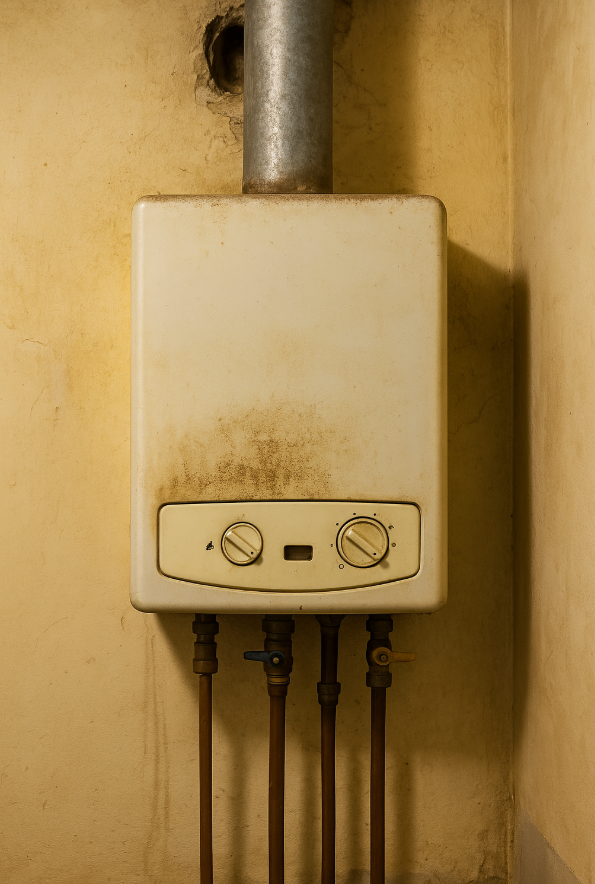
If you’re asking yourself, should a 20 year old boiler be replaced, the answer is almost certainly yes. While a well-maintained boiler can technically last two decades, it is operating at a massive disadvantage compared to modern units. At this age, your system is likely performing at a dismal 60-70% efficiency, meaning a significant portion of your energy costs is literally going straight up the flue. Beyond the mounting costs, older boilers pose increased risks for breakdowns, expensive repairs, and potential safety concerns. Read on for a full breakdown of the financial, environmental, and safety reasons to replace your aging unit now.
Replacing an old boiler can significantly impact your home’s efficiency and safety. If your boiler is 20 years old, you may be facing higher energy bills and a greater risk of breakdowns. As you consider whether to replace your boiler, it’s crucial to evaluate its performance, maintenance history, and any signs of wear. Understanding the advantages of a new system versus the costs associated with keeping an aging unit can guide your decision-making process effectively.
Understanding Boiler Lifespan
Your boiler’s lifespan is a critical factor in deciding whether to replace it. Typically, boilers are designed to last between 10 to 15 years, but with proper maintenance, some can exceed this range. Factors like usage patterns, the quality of installation, and fuel type can significantly influence how long your boiler operates effectively. If yours is approaching the end of its expected lifespan, it’s crucial to assess its condition and performance.
Average Boiler Lifespan
Most residential boilers have an average lifespan of 15 to 30 years, depending on the type. Conventional boilers often reach the 15 to 20-year mark, while modern condensing units can last upwards of 25 years when maintained regularly. If your boiler is nearing this threshold, it may be time to contemplate a replacement.
Factors Affecting Longevity
The longevity of your boiler is influenced by several factors. Regular maintenance, water quality, and usage frequency play significant roles. Additionally, the type of boiler installed and how well it was initially fitted can enhance or hinder its lifespan. Environmental conditions, such as humidity and temperature fluctuations, can also contribute. Knowing all these aspects will help you decide if a replacement is needed.
- Regular maintenance schedules
- Water quality and hardness
- Usage frequency and load
- Type and model of the boiler
- Installation quality
Addressing the health of your heating system is vital. Basic upkeep involves annual servicing, which can prevent small issues from evolving into significant failures. If your water quality is poor or if your boiler sees heavy usage, those factors can accelerate wear and tear. Newer models may incorporate advanced technology to enhance durability, providing a more reliable solution. Knowing the impact of these factors on your boiler will ensure you can make informed decisions.
- Age of the boiler
- Frequency of repairs
- Environmental exposure
- Fuel type used
- Energy efficiency ratings
Signs Your Boiler Needs Replacement
Recognizing the signs that your boiler requires replacement can save you from expensive repairs and comfort issues. Look for various indicators such as decreased efficiency, frequent breakdowns, and unusual noises. If your boiler shows multiple signs, it may be time to consider investing in a new model.
Decreased Efficiency
If you notice a sudden increase in your energy bills without a corresponding change in usage, your boiler may be losing efficiency. A well-functioning boiler operates at around 90% efficiency, but older models often fall short. Regularly evaluating the cost-effectiveness of your system is vital to avoid wasting money.
Frequent Repairs
Frequent repairs are a significant warning sign that your boiler may need replacing. If you find yourself calling for service multiple times a year, the costs can quickly add up. An older boiler tends to require more annual maintenance, often indicating that the unit is nearing the end of its lifespan.
Frequent repairs not only strain your budget but also disrupt your daily life. Consider the cumulative costs of these repairs compared to investing in a new boiler. For instance, if you spend over 30% of the boiler’s purchase price on repairs annually, it’s a strong signal that replacement is a more cost-effective solution in the long run.
Cost-Benefit Analysis
Analyzing the costs and benefits of replacing your 20-year-old boiler is vital for making an informed decision. Consider not only the immediate expenses associated with a new installation but also the long-term financial impacts. While upfront costs may be significant, a new boiler can lead to considerable savings on energy bills and maintenance over time. Evaluate your current boiler’s performance and repair history against the potential savings from an efficient model, making sure to factor in the comfort and reliability gains that a new unit brings.
Repair Costs vs. Replacement Costs
You may face escalating repair costs with a boiler that’s reached its 20-year milestone. Frequent repairs can add up quickly, often outpacing the cost of a new unit. A professional assessment can provide clarity on whether ongoing repairs are financially viable, or if investing in a modern, reliable system offers better long-term value. Evaluate the frequency and cost of repairs to weigh against the price of a new boiler and its warranties.
Energy Savings from New Boilers
Investing in a new boiler can yield significant energy savings. Modern boilers are designed with advanced technology that enhances their efficiency compared to older models. Many new systems operate at efficiencies of over 90%, while older boilers can slip below 70%. This means that by upgrading, you not only reduce your carbon footprint but also cut down your energy bills substantially.
For example, if your current boiler runs at an efficiency of 65% and you replace it with a new model operating at 95%, you could save around 30% on your heating costs. In practical terms, for a home that typically spends $1,500 annually on heating, this could result in savings of $450 each year. Moreover, consider the escalating energy costs over time; this cumulative savings can pay back your investment in a new boiler within a few years while ensuring optimum comfort and reliability in your home heating system.
Types of Replacement Boilers
When considering a boiler replacement, you have various options tailored to your heating needs.
- Conventional Boilers
- High-Efficiency Boilers
- Combi Boilers
- System Boilers
- Electric Boilers
Assume that each type offers unique advantages tailored to different household requirements and energy efficiency goals.
| Type | Features |
| Conventional Boilers | Traditional design, separate hot water cylinder, and a more complex installation. |
| High-Efficiency Boilers | Utilize advanced technology to maximize gas usage, offering lower energy bills. |
| Combi Boilers | Compact, combining heating and water in one unit, providing hot water on demand. |
| System Boilers | Ideal for larger homes, store hot water for multiple outlets but need a water tank. |
| Electric Boilers | Efficient without emissions, suited for smaller spaces, but higher running costs. |
Conventional Boilers
Conventional boilers, historically popular, consist of a boiler unit and a separate hot water cylinder. They provide reliable heating and hot water but require more space for installation and can take longer to deliver hot water to taps. You might find that they are increasingly less energy-efficient compared to modern options, potentially impacting your energy bills.
High-Efficiency Boilers
High-efficiency boilers are designed to maximize energy use while minimizing waste. These units capture heat that would typically escape through the flue, resulting in a significant reduction in fuel consumption. You can save up to 30% on energy bills with a high-efficiency model, making it a financially wise option for homeowners.
High-efficiency boilers often come with an Energy Star rating, indicating their capability to operate at lower energy use while still delivering optimal heating performance. They may have condensing technology that allows water vapor to condense, reclaiming heat that would otherwise be lost. Installing one may qualify you for energy rebates, so it’s worth consulting your local guidelines. Also, consider your home’s size and specific heating needs when selecting the right high-efficiency model for optimal performance.
The Replacement Process
Replacing your boiler involves several steps, from planning to installation. Start by assessing your home’s heating requirements, followed by selecting the appropriate boiler type. Once you decide on equipment, gather quotes and timelines from contractors to compare. Scheduling the installation for a time that minimizes disruption is crucial. Be prepared for any additional work needed, like updating your heating system’s infrastructure, ensuring that everything functions efficiently.
Choosing a Qualified Contractor
Selecting a qualified contractor ensures a smooth replacement process. Look for licensed, insured professionals with experience in your type of boiler. Check customer reviews and ask for references to gauge their reliability. Obtaining multiple estimates allows you to evaluate price differences and included services, helping you make an informed choice.
What to Expect During Installation
During the installation, the contractor will remove the old boiler, install the new unit, and connect it to your heating system. This process may take several hours to a full day, depending on the complexity of your system. You should expect your contractor to keep the work area tidy and communicate the progress at each stage. Final adjustments and system checks will be performed to ensure optimal operation before leaving.
Installation can vary in complexity based on your existing heating infrastructure. If your system requires significant adjustments, this might extend the installation time. Expect your contractor to conduct a detailed inspection to confirm that everything is compatible with the new boiler. You may also receive guidance on any necessary system upgrades or adjustments to optimize energy efficiency, ensuring your new boiler operates effectively and meets your heating demands.
Maintenance Tips for New Boilers
Ensuring longevity and efficiency in your new boiler is crucial. Here are some tips to help you maintain your system:
- Regularly check the pressure gauge.
- Bleed radiators to remove trapped air.
- Keep the boiler area clear of debris.
- Check for leaks periodically.
- Monitor the boiler’s performance for any unusual sounds.
Recognizing early signs of trouble can prevent costly repairs and ensure your boiler runs smoothly.
Regular Service Checks
Scheduling regular service checks enhances your boiler’s reliability and efficiency. A qualified technician can identify minor issues before they escalate into significant problems, leading to a more efficient heating system. Regular maintenance typically includes cleaning, safety checks, and adjustments, ensuring everything operates optimally for years.
Importance of Maintenance Contracts
Maintenance contracts provide peace of mind and financial predictability. By entering a contract, you ensure that your boiler receives timely inspections and necessary repairs without unexpected costs. Many contracts also offer priority service and discounts on repairs, making it an economical choice in the long run.
Investing in a maintenance contract not only safeguards your boiler but also enhances its lifespan. Typical plans cover annual servicing and offer tailored options, such as emergency repairs at no extra cost. With various plans available, from basic inspections to comprehensive coverage, you can select one that meets your heating needs and budget. This proactive approach can ultimately save you money on energy bills and unforeseen repair expenses.
To wrap up
Considering all points, if you have a 20-year-old boiler, it’s advisable to consider a replacement. Aging boilers can lead to inefficiencies, escalating energy bills, and increased repair costs. A new boiler can enhance your home’s comfort and effectiveness while also reducing your carbon footprint. Evaluating your current system’s performance, reliability, and energy efficiency against the benefits of a modern unit will guide your decision. Transitioning to a newer model may require an upfront investment, but the long-term savings and improvements in home heating often justify the decision.
In conclusion, the question should a 20 year old boiler be replaced ultimately comes down to long-term cost and peace of mind. While the upfront expense of a new A-rated condensing boiler is significant, the fuel savings—which can be up to 40% annually—will often allow the unit to pay for itself over its lifespan. Furthermore, a new installation provides the benefits of a long warranty, compatibility with smart thermostats, and crucially, modern safety features. Don’t wait for a costly winter breakdown; consult a certified HVAC professional today to evaluate your current system and get quotes for a highly efficient replacement.