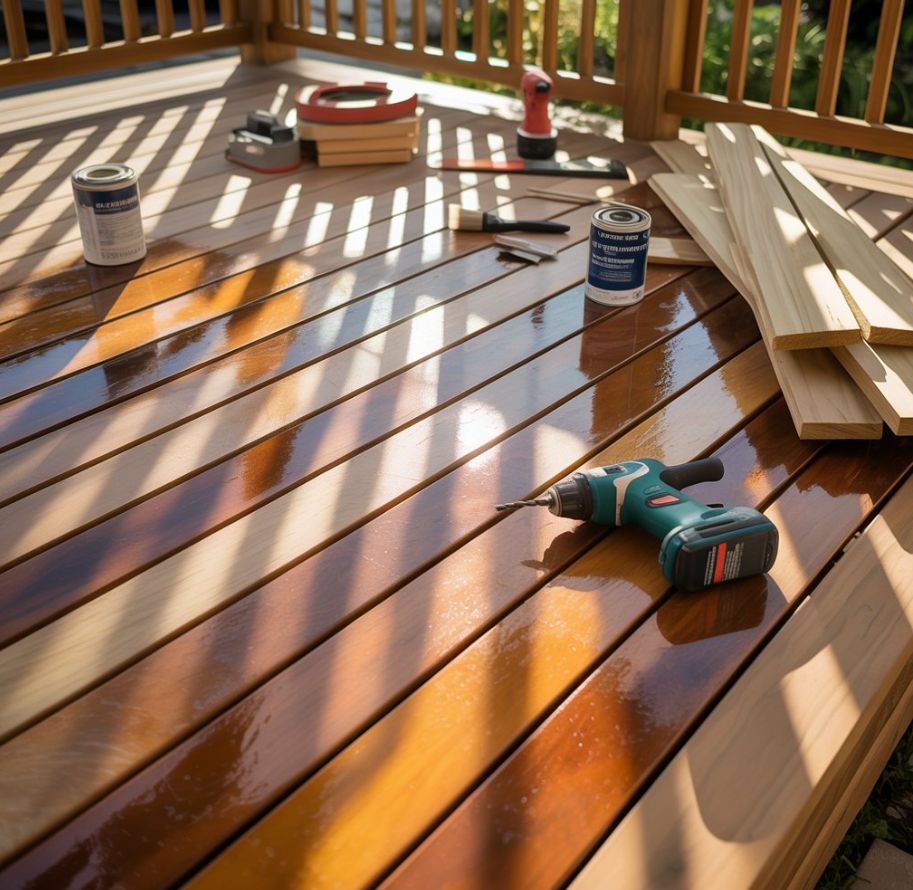
Do you have a weekend free and an itch to create something beautiful without committing to a month-long renovation nightmare? We all look for that perfect blend of high-impact change and low-commitment labor. That’s why we’ve compiled a list of Easy Weekend Projects For Every Skill Level, guaranteeing you can see a noticeable transformation in your home by Sunday evening. Whether you’re a complete novice looking to wield a screwdriver for the first time or a seasoned DIYer seeking a quick win, these budget-friendly and time-conscious tasks will boost your home’s aesthetic and functionality without derailing your entire schedule.
You can transform your home without a massive time commitment or extensive experience. With a variety of easy weekend projects designed for every skill level, you’ll find tasks that not only enhance your space but also boost your confidence. Whether you’re a complete novice or a seasoned DIYer, there’s something here for you to tackle. Explore practical improvements that can be completed in a weekend, making your home more functional and aesthetically pleasing.
Assessing Your Skills
Before exploring into DIY projects, it’s vital to evaluate your skill level honestly. Consider your past experiences, comfort with various tools, and familiarity with different materials. This self-assessment will help you choose projects that match your abilities and ensure a more enjoyable and productive weekend. Having a clear understanding of your skills will also aid in avoiding frustration and potential hazards.
Beginner-Friendly Projects
If you’re new to DIY, start small with tasks that require minimal tools and experience. Simple projects like painting a room, assembling furniture, or installing shelves can provide a sense of accomplishment without overwhelming you. These tasks allow you to build confidence while honing your skills.
Intermediate Challenges
Once you’re comfortable with beginner tasks, you can tackle intermediate challenges, such as refinishing furniture, tiling a backsplash, or installing a new faucet. These projects generally require more tools and techniques, including measuring, cutting, and some basic plumbing or electrical knowledge. With these skills, your DIY repertoire expands significantly.
Intermediate projects are perfect for those looking to elevate their DIY game. Refinishing a wood table, for example, revitalizes furniture with minimal cost. Tiling a backsplash not only updates your kitchen but also enhances your design skills. Engaging in these challenges pushes your boundaries, allowing for learning and growth with satisfying results.
Advanced Renovations
For seasoned DIYers, advanced renovations can include significant alterations like remodeling a bathroom or updating outdoor spaces. These projects often involve construction skills, design planning, and a solid understanding of plumbing or electrical systems. They require careful planning and a significant time investment but can dramatically transform your living space.
- Kitchen remodels
- Bathroom renovations
- Outdoor deck builds
- Full home painting
- Installing new flooring
| Project Type | Skills Required |
|---|---|
| Bathroom remodel | Plumbing, tiling, electrical |
| Kitchen upgrade | Cabinet installation, countertop fitting |
| Outdoor renovation | Structural design, landscaping |
Advanced renovations can significantly impact your home value and require a more detailed approach. Remodeling spaces like kitchens and bathrooms can be complex, involving many facets such as plumbing and electrical work that need careful consideration. Planning and budgeting are key, ensuring that you have all necessary materials and tools ready before starting. This type of project not only enhances your skill set but ultimately brings significant satisfaction and joy to your living environment.
- Assess what changes you want to make
- Create a budget for materials and tools
- Obtain necessary permits if required
- Visualize the finished product before starting
- Have a timeline for completion
| Plan Steps | Considerations |
|---|---|
| Budgeting | Material and labor costs |
| Timeline | Realistic completion estimates |
| Permits | Local regulations |
Essential Tools for DIY Success
Must-Have Tools
To kick off your DIY journey, equip yourself with a few imperative tools. A cordless drill, for example, opens up a world of possibilities, allowing you to tackle anything from hanging shelves to assembling furniture. A good set of screwdrivers, pliers, and a tape measure are indispensable for any project, while a level ensures everything you build is perfectly straight. For those who are more adventurous, a miter saw can simplify cutting angles for trim work or furniture. Investing in quality tools not only enhances performance but also makes your projects more enjoyable.
Safety Gear
Don’t overlook safety gear when venturing into DIY projects. A pair of safety goggles is imperative for protecting your eyes from dust and debris, especially when sanding or drilling. Ear protection should also be a priority when working with loud tools like saws or drills. Additionally, a sturdy pair of work gloves can safeguard your hands from cuts and blisters, giving you added confidence as you work on your home improvements. Prioritizing safety ensures you can complete your projects without unnecessary risks.
Planning Your Weekend Projects
Planning is key to executing successful DIY home improvements. Begin by identifying which areas of your home need attention and prioritize projects based on urgency and impact. Consider factors like your schedule, budget, and availability of tools and materials. A little forethought can streamline the process and maximize your enjoyment of the weekend work ahead.
Setting Realistic Goals
Assess what you can realistically achieve in a weekend. Break larger projects into smaller, manageable tasks that fit your skill level and time constraints. This approach not only reduces frustration but also allows you to appreciate your progress. Focus on accomplishing a few tasks thoroughly rather than overwhelming yourself with too many projects.
Creating a Timeline
Developing a timeline helps you structure your weekend DIY projects effectively. List each task sequentially, and estimate the time required for each one. For example, if you’re painting a room, allocate time for preparation, painting, and cleanup. A well-defined timeline keeps you organized and provides a roadmap for your weekend, ensuring each segment is approached without rushing.
When creating your timeline, factor in potential challenges such as drying times for paint or unexpected repairs. It’s wise to set aside buffer time to accommodate any disruptions that may arise. Organizing your weekend into specific time blocks can also help you maintain focus and momentum, pushing you closer to completing your goals while enjoying the process.
Popular DIY Projects
Focusing on popular DIY projects can help you choose tasks that not only enhance your home’s appeal but also match your skill level. From refreshing your interiors to sprucing up your outdoor space, these projects can be completed over a weekend and provide satisfying results. Let’s explore some options that offer both ease and impact.
Painting and Wallpapering
Painting and wallpapering are among the quickest ways to transform a room’s ambiance. You can choose a fresh coat of paint or a bold wallpaper pattern to reflect your style. Techniques like using painter’s tape for clean edges and applying multiple coats strategically can yield professional results without the cost.
Landscaping and Gardening
Enhancing your outdoor space through landscaping and gardening can add beauty and value to your property. Simple tasks like planting seasonal flowers, mulching, or creating a small herb garden can significantly improve aesthetics while allowing you to enjoy nature more fully.
When tackling landscaping, start with a plan that considers both design and maintenance. You can create raised beds for easy access and better drainage, or use native plants that require less water and care. Incorporating pathways with stones or mulch can also delineate areas, making your garden feel more organized and visually appealing.
Upcycling Furniture
Upcycling furniture gives old pieces a new life while saving money and reducing waste. Whether it’s refinishing a wooden chair or painting a worn-out dresser, you can often achieve remarkable results with minimal investment. Simple techniques such as distressing or applying new hardware can make a world of difference.
Consider furniture that complements your style for upcycling projects. For instance, transforming a vintage table with chalk paint can modernize its look. Additionally, adding stencils or decoupage techniques can customize the piece to fit your home’s decor. The result is not just a functional item, but a conversation starter that adds character to your space.
Simple Repairs and Maintenance
Simple repairs and maintenance tasks are vital for keeping your home in good condition. Tasks such as fixing leaky faucets, patching drywall, or tightening cabinet handles can be easily managed over a weekend. Completing these projects helps ensure your space remains functional and comfortable.
Regular maintenance activities, such as cleaning gutters or checking for drafts, can prevent more extensive issues down the line. You can tackle these jobs with straightforward materials, like caulk for sealing gaps or vinegar for cleaning. Committing a few hours to these tasks not only improves your home’s performance but also extends the lifespan of your fixtures and finishes.
Safety Tips for DIY Enthusiasts
Protecting Yourself
Prioritize your safety by using the right gear and understanding your tools. Wearing safety glasses protects your eyes from dust and debris, while gloves prevent cuts and abrasions. If you’re working with power tools, make sure to have hearing protection to guard against long-term damage. Understanding the functions of your tools is imperative; always read the manual, especially for unfamiliar devices. If you’re working outdoors, be aware of your surroundings and avoid electrical hazards. The most experienced DIYers still follow these vital safety practices.
- Use safety goggles to shield your eyes.
- Wear gloves to prevent injuries.
- Read user manuals for unfamiliar tools.
- Ensure your workspace is well-lit and clutter-free.
- Have a first aid kit on hand for emergencies.
Budgeting for Home Improvements
Understanding Costs
Start by itemizing all potential expenses, including materials, tools, and any hired help. For instance, a simple kitchen backsplash can run from $300 to $1,000 depending on the tile selected. Research local prices online and adjust your budget accordingly. You might find comparable tile options at discount retailers that fit your budget better.
Prioritizing Projects
Identify which projects will provide the best return on investment. Projects like adding energy-efficient windows or landscaping can significantly boost your home’s value. Allocate more funds to these areas while scaling back on less impactful tasks.
Creating a Contingency Fund
Set aside 10-20% of your total budget for unexpected costs that may arise during the renovation process. This might cover additional supplies or repairs that you didn’t anticipate, ensuring your project stays on track financially.
Conclusion
Whether you tackle a fresh coat of paint on a piece of furniture, install floating shelves for extra storage, or upgrade your outdated lighting fixtures, these Easy Weekend Projects For Every Skill Level prove that big results don’t require big time investments. The real joy of these tasks is the quick gratification and the confidence boost they provide for tackling larger projects down the road. Gather your tools, pick one idea, and enjoy the satisfaction of completing a high-impact home improvement project before your Monday morning alarm clock rings!
Presently, DIY home improvements provide an accessible way for you to enhance your living space over the weekend, regardless of your skill level. By selecting projects that align with your abilities and interests, you can achieve satisfying results that elevate both your home’s value and your personal satisfaction. These weekend endeavors not only allow you to express creativity but also improve your confidence in tackling home repairs and upgrades. Embrace the opportunity to transform your home and enjoy the rewards that come with your hard work.