Why should you consider ways to optimize heating in your home for each season?
Many homeowners overlook the importance of adjusting their heating strategies to match seasonal changes, which can lead to inefficient energy use and rising costs. By understanding how to optimize your heating in both summer and winter, you can create a comfortable living environment while saving money. This guide will provide you with practical tips to enhance your heating system’s performance, ensuring you maintain an ideal temperature in your home throughout the year.
Adapting Your Thermostat for Seasonal Efficiency
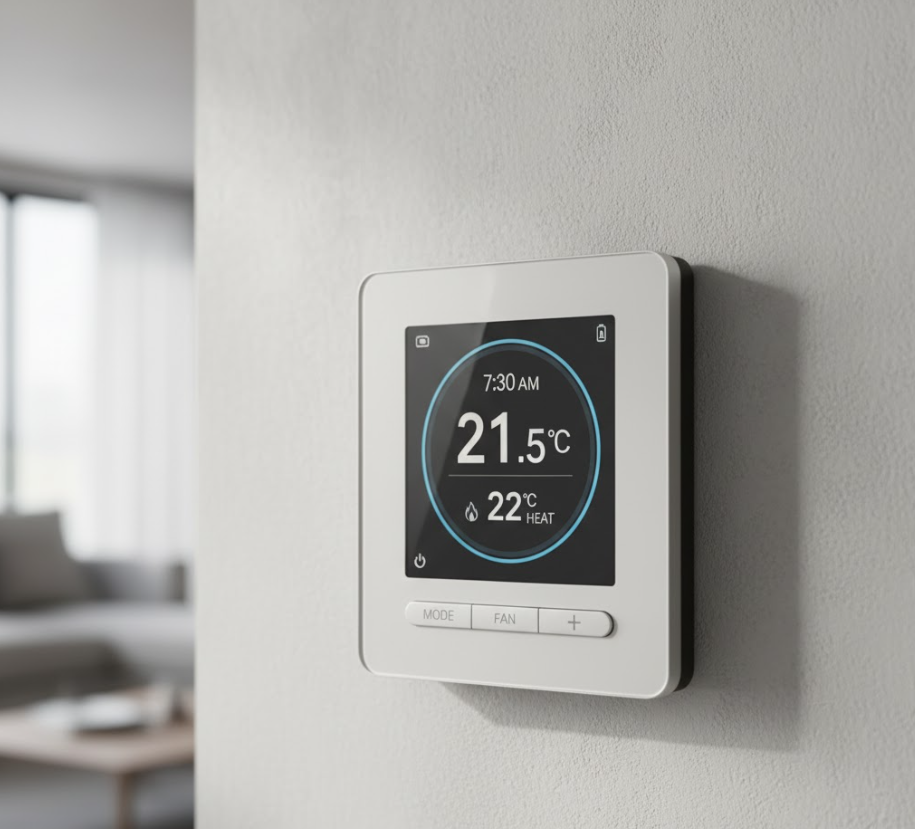
Adjusting your thermostat settings can lead to significant energy savings and enhanced comfort throughout the year. In winter, aim for a setting of 68°F during the day and lower it at night to about 60-65°F. In summer, a setting of 75-78°F strikes a balance between comfort and efficiency. Additionally, utilizing a programmable or smart thermostat can automate these adjustments and ensure your home maintains optimal temperatures when you need them the most.
Smart Thermostat Features
Smart thermostats come equipped with features that enhance seasonal efficiency, including learning algorithms that adapt to your schedule and preferences. They can provide insights into energy usage patterns, allowing you to make informed adjustments. Remote access via smartphone apps enables you to modify settings on the go, ensuring you’re always in control of your home’s climate, even when you’re away.
Manual Adjustment Techniques
Manual adjustments play a vital role in maintaining energy efficiency throughout different seasons. By manually modifying your thermostat settings based on your daily routine, you can maximize comfort while minimizing energy waste. Consider scheduling your heating or cooling to align with when you’re home, and utilize setbacks during off-peak hours and nights.
Adjusting your thermostat manually involves being attentive to your daily schedule and preferences. For instance, if you typically leave home for long hours during the week, set your thermostat lower in winter or higher in summer. During weekends or when entertaining guests, increase the temperature to ensure comfort. This mindful approach to temperature settings can lead to savings of up to 10% annually on heating and cooling costs, making a significant impact on your energy bills while still keeping your living space comfortable.
Insulation Strategies: Keeping the Heat In (and Out)
Effective insulation plays a vital role in managing indoor temperatures across seasons. During winter, quality insulation retains warmth, while summer insulation reflects heat away from your living spaces. Identify areas in your home that require attention, focusing on attics, walls, and basements to maximize energy efficiency and comfort.
Seasonal Insulation Maintenance
Periodically inspecting and maintaining your insulation is vital to preserving its effectiveness. Look for gaps, wear, or moisture damage, particularly after extreme weather changes. Seal any cracks or openings with appropriate materials, and consider upgrading older insulation to keep your home energy-efficient year-round.
Choosing the Right Materials
Your choice of insulation materials significantly impacts performance. Common options include fiberglass, cellulose, and spray foam, each offering different R-values, moisture resistance, and installation methods. Consider local climate conditions and your specific insulation needs to select the most suitable material.
Fiberglass insulation remains a popular choice due to its affordability and durability, providing R-values ranging between 2.9 to 4.3 per inch. Cellulose, made from recycled paper, is eco-friendly and boasts effective soundproofing capabilities, with R-values around 3.1 to 3.8. Spray foam insulation, while more expensive, offers superior air sealing and a high R-value (approximately 6.5 to 7 per inch), making it ideal for those prioritizing energy efficiency and indoor air quality. Assessing your budget, desired insulation properties, and local regulations will guide your decision-making process.
Climate-Sensitive Heating Practices
Integrating climate-sensitive heating practices ensures that you maximize comfort while minimizing energy consumption. By understanding the distinct demands of summer and winter, you can tailor your heating strategies effectively. This approach not only promotes efficiency but also aligns with eco-friendly initiatives, reducing your carbon footprint. You can make informed adjustments based on local climate patterns, humidity levels, and seasonal trends.
Best Practices for Cold Weather
During cold weather, sealing drafts, utilizing thermal curtains, and employing zoned heating can significantly enhance warmth in your home. Consider using programmable thermostats to automatically lower the heat when you’re away and warm up shortly before you return. Keeping radiators clear of obstructions and maintaining your heating system regularly ensures optimal performance, allowing your space to remain cozy without excessive energy use.
Energy-Saving Tips for Hot Weather
To combat rising temperatures, develop a proactive cooling strategy that minimizes the use of your heating system. Opt for ceiling fans to circulate air, block direct sunlight with window treatments, and embrace natural ventilation during cooler evenings. Setting your thermostat a few degrees higher and using energy-efficient appliances can help to save significantly on cooling costs. Knowing how to effectively manage your indoor temperature makes a substantial difference.
- Use fans in addition to your air conditioning system for better airflow.
- Seal any gaps or cracks to prevent hot air from entering your home.
- Schedule regular maintenance for cooling systems to ensure efficiency.
- Leverage energy-efficient lighting to reduce heat generation indoors.
By incorporating these strategies, you can effectively lower your energy consumption during hot weather. Simple adjustments, such as using exhaust fans in kitchens and bathrooms, can help maintain a cooler indoor environment. Timing your laundry and dishwashing for cooler evening hours also minimizes heat buildup in your home. Knowing these tips allows you to create a more comfortable living space while keeping energy costs down.
- Consider using outdoor shading structures to block sun exposure.
- Invest in smart thermostats that learn your preferences over time.
- Choose natural materials for flooring and furnishings to reduce heat retention.
- Install solar screens on windows to mitigate heat gain.
The Financial Impact of Seasonal Optimization
Optimizing your heating system for seasonal changes can substantially affect your budget. By strategically managing heating efficiency, you reduce energy consumption, leading to lower utility bills. The initial investment in upgrades may be offset by long-term savings, boosting your overall financial health while enhancing comfort in your home.
Cost-Benefit Analysis for Upgrades
When evaluating upgrades, a cost-benefit analysis helps you weigh the upfront costs against potential savings. For instance, installing a programmable thermostat may cost around $100, but it can save you 10-20% on your heating bill annually, translating to $150-$300 in savings, making the upgrade worthwhile in the long term.
Long-term Savings Strategies
Implementing long-term savings strategies involves more than just upgrades; it requires ongoing adjustments and maintenance. Regularly servicing your heating system, improving insulation, and utilizing smart technology can create cumulative savings, effectively decreasing your energy bills season after season.
To maximize your long-term savings, consider scheduling regular maintenance for your heating system. Clean filters and tuned-up units function more efficiently, directly impacting energy consumption. Pair this with home improvements like adding insulation or sealing drafts, which can save you an additional 15% on your heating costs. Investing in a smart thermostat also allows you to adapt temperature settings automatically, ensuring that your system runs only when needed, leading to significant cumulative savings over time. Balancing these strategies will reinforce your financial outlook while ensuring comfort throughout the year.
Staying Ahead: Future-Proofing Your Heating System
Investing in an adaptable heating system ensures long-term efficiency and reliability. Regularly assess your setup for potential upgrades, such as smart thermostats or advanced insulation materials, which can optimize performance irrespective of seasonal shifts. Planning for energy-efficient systems that can accommodate renewable energy sources will also provide cost savings and environmental benefits down the line.
Innovative Technologies on the Horizon
Emerging technologies promise significant advancements in heating efficiency. For instance, systems utilizing artificial intelligence can learn your heating preferences, automatically adjusting settings to enhance comfort while conserving energy. Additionally, developments in geothermal heating and solar-assisted systems enhance sustainability and reduce reliance on traditional fuel sources.
Preparing for Climate Variability
Anticipating changes in climate patterns requires a proactive heating strategy. Unpredictable temperature fluctuations may necessitate systems capable of swift adjustments. Choosing adaptable solutions, like variable-speed furnaces, allows your heating system to optimize performance and efficiency while responding to varying conditions.
Consider local climate forecasts and trends when updating your system. For instance, regions experiencing increased heating demands due to harsher winters may benefit from investing in more robust insulation and high-efficiency systems. Additionally, keeping abreast of climate models aids in predicting energy demands, enabling you to proactively upgrade components to meet future use without compromising on comfort or efficiency.
To wrap up
Now that you understand the importance of adjusting your heating for seasonal changes, you can optimize your energy usage effectively. In winter, ensure your insulation is adequate and utilize programmable thermostats to maintain comfort while conserving energy. In summer, consider using fans and maintaining your HVAC system to enhance cooling efficiency. By making these adjustments, you can create a more comfortable living environment while reducing your energy costs throughout the year.