Eco-Friendly Home Improvements – Sustainable Ideas For A Greener Home
It’s imperative to embrace eco-friendly home improvements that not only enhance your living space but also contribute to a healthier planet. By making sustainable choices, you can reduce your carbon footprint, save on energy costs, and create a more comfortable environment for you and your family. This guide will provide you with practical ideas and tips to transform your home into a greener haven, showcasing how simple upgrades can lead to significant positive impacts on both your lifestyle and the environment.
Understanding Eco-Friendly Home Improvements
Eco-friendly home improvements focus on enhancing energy efficiency and reducing environmental impact while increasing the comfort and value of your living space. This shift is driven by a growing awareness of sustainability and the long-term benefits of making better choices for your home. From energy-efficient appliances to sustainable building materials, every decision contributes to a greener lifestyle.
The Importance of Sustainability
Incorporating sustainability into your home improvements helps mitigate climate change and conserves natural resources. As you take steps to improve your home’s environmental footprint, you’re contributing to a larger movement that prioritizes ecological balance and responsible living. This mindset change not only reflects your values but also sets a positive example for your community.
Benefits of Eco-Friendly Choices
Choosing eco-friendly options leads to significant long-term savings, improved health, and enhanced property value. Energy-efficient upgrades can reduce utility bills, while sustainable materials decrease maintenance costs. Furthermore, healthier indoor air quality from non-toxic products can benefit your family’s health. Ultimately, these choices yield a more comfortable and sustainable living environment.
For instance, installing energy-efficient windows can reduce heating and cooling costs by up to 25%, while using low-VOC paints improves indoor air quality, safeguarding you and your family from harmful chemicals. Solar panels can further decrease energy bills and increase home value, providing a tangible return on your investment. By selecting eco-friendly products and designs, you not only foster a healthier home but also support the economy by promoting green jobs and sustainable methods of production.
Energy Efficiency Enhancements
Maximizing energy efficiency in your home not only lowers utility bills but also reduces your carbon footprint. Implementing energy-efficient upgrades can lead to significant savings over time. By making informed decisions on insulation, windows, and renewable energy, you cultivate a sustainable environment while boosting your home’s overall comfort and value.
Upgrading Insulation and Windows
Enhancing your home’s insulation and windows is vital for maintaining temperature control and minimizing energy loss. Proper insulation in attics and walls can reduce heating and cooling costs by up to 20%, while double or triple-pane windows provide better thermal performance and limit air leakage. This not only creates a more comfortable living space but also reduces reliance on heating and cooling systems.
Incorporating Renewable Energy Sources
Integrating renewable energy sources, such as solar panels, can significantly decrease your home’s dependency on fossil fuels. Solar systems can provide substantial energy savings, often reducing utility costs by 50% or more. With government incentives and advancements in technology, installing solar energy systems has become increasingly accessible, allowing you to harness clean energy and contribute to a more sustainable future.
To maximize the benefits of renewable energy sources, consider not only solar panels but also solar water heaters or wind turbines, depending on your location. Investing in a home battery storage system allows you to store excess energy for later use, further enhancing your energy independence. Many homeowners have successfully transitioned to net-zero energy homes, showcasing the potential of renewable energy in creating sustainable living environments. Your choice to incorporate these technologies could lead to long-term financial gains while actively contributing to a cleaner planet.
Water Conservation Strategies
Implementing effective water conservation strategies can significantly reduce your environmental footprint while lowering utility bills. By making small adjustments in your home, you can conserve this precious resource without sacrificing comfort. Consider upgrading fixtures and systems to more efficient models, which allows you to play a part in preserving our water supply.
Installing Low-Flow Fixtures
Switching to low-flow fixtures is an easy and effective way to reduce water consumption. These fixtures can cut your water usage by up to 50% without compromising performance. Installing low-flow showerheads, faucets, and toilets not only benefits the environment but also decreases your water bill, making it a win-win solution.
Rainwater Harvesting Systems
Implementing rainwater harvesting systems captures rainwater for irrigation and other non-potable uses. This approach reduces reliance on municipal water supplies and helps manage stormwater runoff. By collecting and storing rainwater, you create an eco-friendly alternative for maintaining your landscape and gardens.
Rainwater harvesting systems can vary in complexity from simple rain barrels to more elaborate systems with gutters, downspouts, and storage tanks. A basic setup involves positioning a barrel beneath a downspout to collect runoff from your roof. More advanced systems might include filtration units and pumps to distribute harvested rainwater throughout your garden or home irrigation system. Depending on your local climate and rainfall patterns, you could capture thousands of gallons annually, benefiting both your garden and the environment.
Sustainable Landscaping Options
Transforming your outdoor space into a sustainable landscape promotes biodiversity, reduces maintenance, and conserves resources. By selecting environmentally friendly landscaping practices, you can create a thriving ecosystem that benefits your home and the planet. From native plants to lawn alternatives, these options allow you to beautify your property while prioritizing sustainability.
Native Plant Gardens
Choosing native plants for your garden supports local wildlife and requires less water and maintenance compared to non-native species. These plants are well-adapted to your local climate, soil, and insects, making them resilient and easy to grow. Incorporating a variety of native species can enhance your garden’s aesthetics while providing important habitat for pollinators and other beneficial creatures.
Eco-Friendly Lawn Alternatives
Instead of traditional lawns that demand constant watering and chemical treatments, consider eco-friendly alternatives like clover, moss, or native ground covers. These options generally require less upkeep, naturally suppress weeds, and reduce the need for fertilizers. By replacing water-thirsty grass with more sustainable plants, you can significantly lower your water consumption and maintenance efforts.
For instance, utilizing clover not only establishes a lush, green ground cover but also fixes nitrogen in the soil, enriching it naturally. Eco-friendly lawns often thrive with minimal intervention, encouraging a healthy ecosystem while saving time, money, and resources. Many homeowners find that transitioning to these alternatives results in a more vibrant, resilient landscape that needs less input, ultimately creating a beneficial environment for both human and non-human inhabitants.
Choosing Green Materials
When choosing materials for your home improvements, choosing eco-friendly options can make a significant impact on sustainability. Look for products that have minimal environmental impact, such as those sourced from renewable resources, certified sustainable forests, and low-VOC (volatile organic compounds) emissions. Prioritizing these materials not only contributes to a greener home but also enhances indoor air quality, making your living space healthier for you and your family.
Recycled and Upcycled Products
Incorporating recycled and upcycled products into your home is a practical way to reduce waste and conserve resources. Items such as reclaimed wood, recycled glass tiles, and repurposed furniture can add unique character to your space while minimizing the demand for new materials. By choosing these options, you help divert waste from landfills and support a circular economy that emphasizes sustainability.
Non-Toxic Finishes and Paints
Opting for non-toxic finishes and paints is vital for maintaining a healthy indoor environment. Traditional paints often contain harmful chemicals that release volatile organic compounds (VOCs) into the air. Instead, select natural, low-VOC, or zero-VOC alternatives that improve air quality and reduce health risks associated with exposure to toxic substances.
Non-toxic finishes and paints can be made from natural ingredients such as plant oils, milk, or mineral pigments, which are safer for both the environment and your health. Brands like Benjamin Moore and Sherwin-Williams offer eco-friendly options that perform just as well as their conventional counterparts. Using these products not only enhances the aesthetic appeal of your home but also contributes to a sustainable living space free from harmful off-gassing, ensuring your family breathes healthier air.
Smart Home Technology for Efficiency
Integrating smart home technology enhances energy efficiency and promotes sustainable living. By utilizing devices that optimize energy usage, you lower your carbon footprint while saving money on utility bills. From automated systems that adjust power consumption based on your habits to intelligent devices that learn and adapt, these technologies are transforming how you manage energy in your home.
Energy Monitoring Systems
Energy monitoring systems provide real-time insights into your energy consumption. By tracking usage patterns and identifying peaks, you can make informed decisions about your energy habits. Some systems even offer recommendations for reducing waste, helping you to minimize environmental impact effectively.
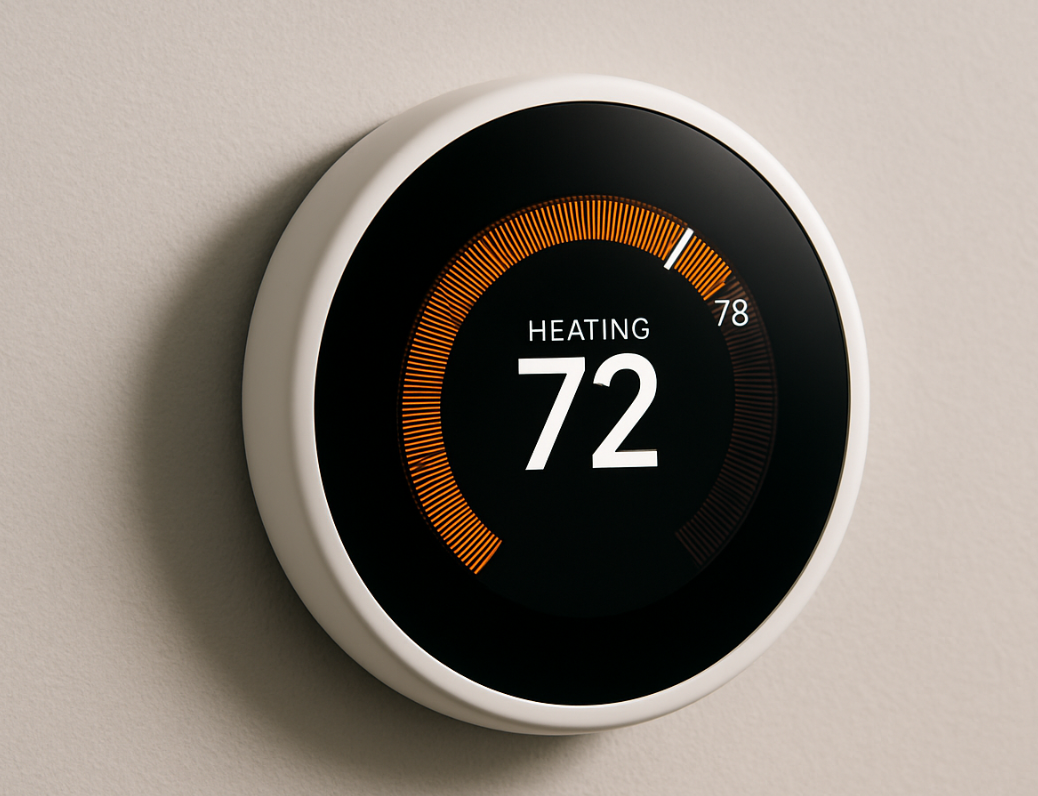
Smart Thermostats and Appliances
Smart thermostats and appliances optimize energy use by adjusting settings automatically based on your lifestyle. With features like remote control and learning capabilities, these devices ensure that you’re only using energy when necessary, significantly reducing waste and enhancing comfort.
Installing smart thermostats allows you to set schedules and control temperatures from your mobile device, often leading to energy savings of up to 15%. Similarly, smart appliances, such as washing machines and refrigerators, can run during off-peak hours and adjust their settings for maximum efficiency, further optimizing your home’s energy consumption. By investing in these technologies, you can create a more sustainable living environment while enjoying modern conveniences.
Summing up
With this in mind, implementing eco-friendly home improvements not only enhances the sustainability of your living space but also contributes to a healthier environment. By adopting practices such as energy-efficient appliances, sustainable materials, and water conservation techniques, you can significantly reduce your carbon footprint. These choices not only benefit the planet but can also lead to long-term savings on utilities. As you explore these sustainable ideas, you’ll find that creating a greener home is both achievable and rewarding.