Home Maintenance Vs. Home Improvements – What Homeowners Should Focus On
Maintenance of your home is important for ensuring its longevity and value, but distinguishing it from home improvements can be challenging. While maintenance keeps your property in good working order, improvements enhance its aesthetic appeal and functionality. Understanding the difference between these two aspects can help you allocate your resources effectively, prioritizing tasks that protect your investment while also considering upgrades that may boost your enjoyment and market value. This guide will help you focus on what truly matters for optimal home care.
Understanding Home Maintenance
Home maintenance encompasses the routine activities you perform to preserve the condition and functionality of your property. Regular upkeep includes tasks such as cleaning gutters, servicing HVAC systems, and checking for leaks, all of which contribute to the longevity of your home’s components and systems.
Definition of Home Maintenance
Home maintenance refers to the scheduled upkeep of your home’s structure and systems to ensure they remain in good working order. This includes everything from minor repairs and seasonal tasks to inspections of plumbing, electrical systems, and roofing to prevent larger issues from arising.
Importance of Regular Maintenance
Conducting regular maintenance helps you avoid more extensive and expensive repairs down the line. By staying proactive, you not only extend the lifespan of major systems but also increase your home’s value. For instance, ignoring a small leak can lead to costly water damage and mold growth, which could have been prevented through simple maintenance measures.
Statistics show that homeowners who invest in regular maintenance typically save 1% to 4% of their home’s value each year compared to those who wait until problems escalate. Additionally, properties with well-maintained systems often command higher appraisals, providing a greater return on your investment. Establishing a checklist or schedule for tasks can streamline this process, helping you to stay organized and ensure nothing falls through the cracks.
Exploring Home Improvements
Definition of Home Improvements
Home improvements encompass a range of projects aimed at enhancing your property’s functionality, aesthetics, or value. This can include renovations like kitchen updates, bathroom remodels, or adding energy-efficient features. Unlike routine maintenance, these enhancements usually involve significant upgrades or expansions tailored to your lifestyle and preferences.
Benefits of Upgrading Your Home
Upgrading your home can yield substantial benefits, including increased property value, enhanced energy efficiency, and improved livability. These projects not only elevate your daily experience but also make your home more appealing to potential buyers, should you decide to sell. Investing in thoughtful improvements may lead to greater enjoyment of your space and a stronger return on investment.
Home improvements can translate into significant financial gains over time. For instance, a minor kitchen remodel can return up to 80% of the investment upon resale, while energy-efficient windows can reduce utility bills by 15% or more. Furthermore, personalized upgrades allow you to tailor your space to fit your unique needs, making daily routines more enjoyable and convenient. Such enhancements foster a greater sense of comfort and pride in your home, contributing to your overall quality of life.
Key Differences Between Maintenance and Improvements
Understanding the key differences between home maintenance and improvements is vital for effective property management. Maintenance focuses on sustaining the functionality and condition of your home, addressing repairs and routine tasks to prevent further deterioration. In contrast, improvements enhance the aesthetic appeal or functionality, often adding value to your property. Recognizing these distinctions helps you allocate resources appropriately and prioritize tasks based on urgency and potential returns.
Purpose and Objectives
The primary purpose of maintenance is to keep your home safe and operational, ensuring that systems like plumbing and roofing remain in good condition. Improvements, on the other hand, aim to elevate your home’s value and enhance your living experience through upgrades such as remodeled kitchens or energy-efficient windows. While both types of activities are vital, your objectives may dictate where you focus your time and budget.
Cost Considerations
When budgeting for home projects, distinguishing between maintenance and improvements has significant financial implications. Maintenance costs are typically predictable and can be spread throughout the year, whereas improvements often require larger, upfront investments that may provide long-term returns in property value.
For maintenance, consider annual expenses such as HVAC servicing, gutter cleaning, or roof inspections, which might total a few hundred to a few thousand dollars each year. In contrast, a kitchen remodel could cost anywhere from $15,000 to over $50,000, depending on the extent of the renovation and materials used. While home improvements can elevate resale value by an average of 70-80% of the initial cost, it’s vital to weigh these expenses against immediate maintenance needs to avoid costly repairs down the line. Balancing both types of costs effectively ensures your home remains in prime condition while also increasing its market value.
Prioritizing Tasks: When to Maintain vs. When to Improve
Knowing when to tackle maintenance versus improvement tasks is necessary for effective home management. Prioritize urgent maintenance to avoid further damage, while planning improvements for long-term benefits. Maintenance should take precedence when it concerns safety, efficiency, or structural integrity, while improvements can enhance comfort and aesthetic appeal. Your approach should reflect your specific needs and the current performance of your home.
Assessing Your Home’s Condition
Start by examining your home’s various systems, such as plumbing, roofing, and HVAC. Identify any signs of wear or damage that require immediate attention. Create a checklist of concerns and prioritize them based on urgency and potential impact on your living environment. For instance, a leaky roof requires prompt action, while a bathroom remodel can be scheduled later on.
Budgeting for Maintenance and Improvements
Effectively manage your finances by allocating funds to both maintenance and improvements. Regular maintenance often requires a smaller, consistent budget, while home improvements may need more substantial, infrequent investments. Establish a dedicated savings plan for unexpected maintenance issues and have a separate budget for improvements, allowing you to upgrade your home without financial strain.
Consider industry standards when budgeting; set aside 1-3% of your home’s value annually for maintenance, and approach improvements with a cost-benefit analysis. For example, kitchen upgrades can yield a 70-80% return on investment, making them a wiser choice for homeowners looking to increase property value. By creating a balanced budget, you ensure both the longevity of your home and the satisfaction of enhancing its appeal.
Common Home Maintenance Tasks
Regular home maintenance tasks ensure the longevity and safety of your property. Neglecting these duties can lead to costlier repairs down the line. Standard tasks include checking your HVAC system, replacing air filters, inspecting plumbing for leaks, and testing smoke detectors. Keeping up with these responsibilities can enhance your home’s performance and protect your investment.
Interior Maintenance
Interior maintenance focuses on the upkeep of your home’s internal systems and surfaces. This includes tasks like cleaning gutters, ensuring proper ventilation, and checking for signs of moisture or mold. Regularly inspecting your home’s heating and cooling systems will not only improve energy efficiency but also extend their operational life.
Exterior Maintenance
Exterior maintenance is necessary for protecting your home’s outer structure and aesthetics. Regular tasks include power washing siding, painting or staining surfaces, and inspecting your roof for damage. Taking proactive steps can prevent decay and preserve the value of your home.
Particularly with exterior maintenance, focus on seasonal checks. In spring, clear debris from gutters and downspouts to prevent water damage. Summer is ideal for inspecting siding and identifying any wear. In fall, check your roof and clean gutters again before winter hits, ensuring they can handle snow and ice buildup. These small, routine actions can prevent larger, more expensive issues later.
Popular Home Improvement Projects
Homeowners often seek out popular improvement projects that elevate their living space while adding value to their property. From enhancing curb appeal with exterior renovations to creating functional indoor spaces, the choices are abundant. Projects such as kitchen remodels, bathroom upgrades, and energy-efficient installations not only transform your home but can also yield significant returns on investment. Knowing which upgrades are in demand can guide your decisions and ensure you make the most impactful improvements.
Kitchen and Bathroom Upgrades
Kitchen and bathroom upgrades consistently rank among the top home improvement projects, primarily because these areas significantly influence buyer interest. A modernized kitchen with updated appliances and functional layout can improve your cooking experience and increase your home’s resale value. Similarly, a refreshed bathroom featuring energy-efficient fixtures and stylish design can make everyday routines feel more luxurious while appealing to potential buyers.
Energy Efficiency Improvements
Energy efficiency improvements are an excellent way to lower utility bills while increasing your home’s appeal. Simple upgrades like adding insulation, sealing windows, or installing energy-efficient appliances can lead to substantial savings. Beyond lowering your monthly expenses, these improvements align with modern homeowner preferences towards sustainability and can enhance your home’s market value.
Investing in energy efficiency improvements not only benefits your budget but also contributes to a more sustainable lifestyle. For instance, upgrading to Energy Star-rated appliances can save you 10-50% on energy usage compared to standard models. Additionally, implementing smart home technology, such as programmable thermostats, allows you to better manage energy consumption. According to the Department of Energy, such improvements can add an average of 10-15% to your home’s value, while decreased energy costs can recover the investment over time. Your commitment to improving energy efficiency reflects a growing trend toward eco-conscious living, making your home more attractive in today’s market.
Final Words
On the whole, you should prioritize home maintenance to safeguard your investment and ensure your living space remains functional and safe. While home improvements can enhance aesthetics and value, neglecting necessary maintenance can lead to costly repairs down the line. Focus on creating a balance; regularly check and address necessary maintenance tasks while planning for improvements that align with your goals. This will not only preserve your home’s integrity but also enhance your overall satisfaction as a homeowner.
Our comprehensive Guide to Kitchen Countertops walks you through the pros, cons, and costs of the most popular options, from the timeless elegance of natural stone to the low-maintenance durability of engineered quartz. Before you spend thousands, you need to understand key factors like heat resistance, maintenance requirements, and overall lifespan to select the surface that fits your cooking habits and budget.
When choosing kitchen countertops, consider quartz for its non-porous, easy-to-clean surface and wide color options. Granite brings timeless elegance with its unique patterns and durability, though it requires sealing. Butcher block offers a warm, natural feel, perfect for food prep but needs regular maintenance. Each option has distinct advantages and costs that can impact your decision. Keep exploring the unique traits of each material to find the perfect fit for your kitchen.
Understanding Quartz Countertops
When you’re considering kitchen countertops, quartz is a popular choice due to its durability and low maintenance. This engineered stone combines natural quartz with resins, making it non-porous and resistant to stains, bacteria, and scratches.
You won’t have to worry about sealing it regularly, unlike natural stones. Plus, quartz countertops come in a wide variety of colors and patterns, allowing you to customize your kitchen’s look.
They’re also easy to clean; a simple wipe with soap and water is often all you need. However, keep in mind that quartz can be sensitive to heat, so using trivets or hot pads is a good idea.
The Benefits of Granite Countertops
If you’re looking for a timeless and elegant option, granite countertops might be the perfect fit for your kitchen. They offer a natural beauty that adds sophistication and warmth to any space.
One major benefit is their durability; granite is heat and scratch-resistant, making it an ideal choice for busy kitchens. Plus, each slab is unique, giving your kitchen a one-of-a-kind look.
Maintenance is minimal, as regular sealing keeps it looking pristine. Additionally, granite can increase your home’s resale value, appealing to potential buyers. Its resistance to bacteria makes it a hygienic choice for food preparation.
Exploring Butcher Block Countertops
While granite countertops offer a sleek, modern look, butcher block countertops bring a warm, inviting feel to your kitchen.
These surfaces are typically made from hardwoods like maple, walnut, or cherry, providing a natural aesthetic that complements various design styles.
You’ll find that butcher block isn’t only visually appealing but also functional; its surface is perfect for food preparation, allowing for easy chopping and slicing.
Plus, they can be sanded and refinished, giving you the ability to maintain their beauty over time.
When you choose butcher block, you’re also incorporating sustainability, as many options use reclaimed materials.
Durability and Maintenance Comparisons
Although butcher block countertops offer a charming aesthetic, their durability and maintenance requirements can differ considerably from other materials like granite or quartz.
Butcher block needs regular oiling to prevent drying and cracking, while granite and quartz are more resistant to staining and scratches. Granite can handle heat better than butcher block but still requires sealing every year or so to maintain its integrity.
Quartz, being non-porous, doesn’t need sealing and is generally easier to clean. If you’re looking for low maintenance, quartz is your best bet.
But if you love the warmth of wood and don’t mind a little upkeep, butcher block can be a great choice. Ultimately, it depends on your lifestyle and how much time you want to invest in maintenance.
Aesthetic Appeal and Design Options
What draws you to a particular countertop style? Is it the sleek, modern look of quartz, the natural beauty of granite, or the warm, rustic charm of butcher block?
Each option offers unique aesthetic appeal and design possibilities. Quartz comes in a variety of colors and patterns, allowing you to customize your kitchen’s vibe effortlessly.
Granite, with its unique veining and texture, brings an organic touch that can elevate any space. Butcher block adds warmth and character, perfect for a cozy, inviting kitchen.
Think about your overall design vision. Do you prefer a minimalist approach, or are you drawn to a more traditional feel? Choosing the right countertop can truly transform your kitchen’s aesthetic.
Cost Considerations for Each Material
Cost is a crucial factor when choosing the right countertop material for your kitchen.
Quartz countertops typically range from $50 to $150 per square foot, offering a balance of affordability and durability.
Granite, known for its natural beauty, usually costs between $40 and $200 per square foot, depending on the rarity of the stone.
Butcher block countertops, while charming, can vary widely, generally falling between $30 and $150 per square foot, influenced by the type of wood used.
Remember to factor in installation costs, which can add an extra $30 to $100 per square foot.
Keep your budget in mind, and choose a material that aligns with both your financial plan and your design vision.
Making the Right Choice for Your Kitchen
How do you decide which countertop material is best for your kitchen? First, consider your cooking habits. If you often prepare meals, durable materials like quartz or granite can withstand heavy use.
Next, think about maintenance. Quartz requires less upkeep, while butcher block needs regular oiling to prevent damage.
Also, evaluate your kitchen’s style. Quartz offers a modern look, granite brings natural beauty, and butcher block provides warmth.
Budget is another factor—compare costs of each material and find what fits your financial plan.
Finally, don’t forget about resale value; some materials can enhance your home’s appeal.
Living in the same space for a while can lead to familiarity that sometimes feels dull. You don’t need a major renovation to breathe new life into your home; simple updates can transform your environment. By incorporating fresh decor, reorganizing furniture, and adding personal touches, you can create an inviting atmosphere that reflects your style. This guide offers practical tips to help you refresh your living space effortlessly.
Assessing Your Living Space
Before making any changes, take time to assess your living space thoroughly. Consider how you use each area and what elements contribute to your overall comfort and functionality. Walk through each room with a critical eye, noting what works and what feels lacking. This initial evaluation sets the foundation for effective updates without the need for drastic changes.
Evaluating Current Layout
Observe how furniture is arranged in relation to traffic flow and activities you enjoy. A cluttered or cramped layout can detract from usability, while an open and inviting space fosters relaxation and socializing. Assess whether your setup enhances or hinders these experiences and explore possibilities for reconfiguration.
Identifying Areas for Improvement
Pinpoint specific zones that feel outdated or underutilized. Look at color schemes, lighting, and furniture choices that don’t serve your current tastes or needs. Small adjustments, like swapping out décor or rethinking the purpose of certain areas, can make a significant difference in how you perceive your space.
To identify areas for improvement effectively, create a list of your living space’s strengths and weaknesses. Perhaps one room feels too dark due to outdated light fixtures, while another suffers from overcrowding with furniture that doesn’t fit your lifestyle. Take notes on elements such as wall colors that might feel dreary, or decorative items that no longer resonate with your style. By prioritizing these areas, you can strategize targeted updates like introducing brighter lighting solutions, integrating multifunctional furniture, or even adding artwork that sparks joy and inspiration. Each small enhancement will collectively contribute to a refreshing overall atmosphere.
Color and Texture
Introducing new colors and textures can breathe new life into your living space. By carefully selecting hues that resonate with your personal style and opting for varied textures, you can create a welcoming and dynamic environment. Small changes, like painting an accent wall or layering fabrics, can make a significant impact without the need for extensive renovations.
Choosing a Fresh Color Palette
Selecting a fresh color palette can instantly shift the mood of your living space. Consider trending colors like sage green or soft terracotta to evoke a sense of warmth and comfort. Paint a single wall or refresh furniture to align with your chosen colors, ensuring they flow harmoniously with your existing décor.
Incorporating Textiles for Warmth
Incorporating textiles can add both warmth and personality to your space. Think beyond basic fabrics—layering throws, cushions, and rugs in various materials can create an inviting atmosphere. Choose soft, textured options like knits or wovens to foster a cozy feel, particularly as seasons change.
When you layer textiles, aim for a mix of patterns and textures to make your space feel rich and engaging. A chunky knit throw on a smooth leather sofa, for example, creates contrast and comfort. Don’t hesitate to experiment with different fabric types, such as cotton, linen, and wool, to discover what resonates best in your environment. Additionally, area rugs can define spaces within open-concept layouts, while curtains can soften hard lines and add cohesion to your color palette. Embrace these elements to transform your living area into a stylish sanctuary.
Furniture Arrangement
Rearranging your furniture can dramatically change the dynamics of your living space. Start by evaluating your current layout; ensure it promotes ease of movement and encourages conversation. Position larger pieces against the walls to open up the center of the room, creating a sense of spaciousness and inviting flow. You can also experiment with different configurations until you find one that feels balanced and functional.
Creating Flow and Functionality
To enhance flow, think about how you navigate through the space. Aim for clear pathways that connect different areas without obstruction. Each zone, whether for relaxing, dining, or working, should feel distinct but cohesive. Furniture should facilitate activities; for instance, place seating within reach of lighting or group a coffee table with sofas for ease of access, making the space both practical and inviting.
Utilizing Multi-Functional Furniture
Multi-functional furniture is a wise choice for maximizing space, especially in smaller areas. Look for pieces that serve dual purposes, such as an ottoman that acts as both a coffee table and extra seating, or a sofa bed for accommodating overnight guests. This approach not only saves space but also adds versatility to your living environment.
For example, a dining table with extendable leaves can transform an intimate meal into a gathering space for friends. Consider furniture that includes hidden storage, such as a bed frame with under-bed compartments or a coffee table with shelves. By selecting these adaptable pieces, you create a flexible living space that accommodates both daily needs and occasional gatherings with ease, fostering functionality in your home while keeping it stylish.
Lighting Enhancements
Enhancing your living space with lighting can dramatically alter its atmosphere and functionality. A few simple adjustments in luminance can create a welcoming environment or add a touch of sophistication. Consider layering your lighting to provide both practical illumination and artistic flair, allowing flexibility to adjust the mood based on your activities or preferences.
Importance of Natural Light
Natural light is important for creating a vibrant and uplifting living space. It boosts your mood, enhances your energy levels, and can make your rooms feel more expansive. Strategically placing mirrors or using sheer window treatments can maximize incoming sunlight, transforming even the dimmest corners into bright, inviting areas.
Selecting Ambient and Accent Lighting
Choosing the right ambient and accent lighting can elevate your space’s design and functionality. Ambient lighting serves as the general illumination, typically provided by overhead fixtures or lamps, while accent lighting highlights specific features like artwork or architectural elements. Combining warm and cool light temperatures promotes depth and character, ensuring each area meets your specific needs.
When dicking out ambient and accent lighting, focus on layering different sources to create versatile options for your space. Incorporate ceiling fixtures for overall illumination, sconces to frame architectural details, and table or floor lamps to provide softer light. For accent lighting, consider spotlights or LED strips to draw attention to artwork or plants. Aim for a balanced interplay between ambient and accent fixtures, ensuring they complement each other and contribute to a cohesive design. The goal is to foster a dynamic environment that adapts to your activities, from reading and working to entertaining guests.
Decorative Elements
Incorporating decorative elements into your living space adds personality and warmth. Simple decorations like throw pillows, area rugs, and wall hangings can provide vibrant splashes of color and texture. Consider themes that resonate with you—bohemian, modern, or vintage—to create a cohesive look. Changing out seasonal decorations or personal artifacts also keeps your space feeling fresh and uniquely yours.
Incorporating Art and Accessories
Art and accessories are imperative for creating a personalized atmosphere. Whether you opt for a large statement piece or a collection of smaller works, adjust their placement for optimal impact. Consider varying frame styles and sizes to create visual interest, and don’t shy away from displaying artifacts from your travels or hobbies, as they can spark conversations.
Using Plants for Life and Color
Plants introduce life and vibrancy, making them perfect for freshening up your decor. Think of low-maintenance varieties like succulents or snake plants if you’re short on time, or try herbs in your kitchen for functionality. Grouping different heights and textures together creates a dynamic focal point, while their natural green hues harmonize beautifully with your other decor elements.
Add plants to your living space to enhance both aesthetics and air quality. Research shows that indoor plants can improve air purity by filtering toxins, making the environment healthier. Position them near windows to take advantage of natural light, or experiment with hanging planters for a unique twist. Choose pots that complement your existing decor—ceramic, woven, or metallic—to create a seamless blend of nature and style. Consider rotating plants seasonally for continuous freshness and interest in your home.
DIY Tips and Tricks
Implementing DIY tips can elevate your space without a hefty price tag. Embrace creativity with these practical strategies:
Rearrange furniture to create a fresh perspective.
Incorporate indoor plants for added color and texture.
Use removable wallpaper for a dramatic accent wall.
Update light fixtures to enhance ambience.
Paint or stain furniture to breathe new life into old pieces.
Any of these simple adjustments can significantly alter how your living area feels.
Simple Projects for Immediate Impact
Start with small projects that yield instant transformation. Adding a fresh coat of paint to an accent wall can wholly change the mood of a room. Similarly, swapping old hardware on cabinets or drawers creates a modern touch without extensive work. Even something as simple as changing out throw pillows or blankets can refresh your décor and enhance comfort.
Cost-Effective Upgrades to Consider
Upgrading key features in your living space can provide significant returns without overspending. Consider installing energy-efficient LED lighting, which lowers energy costs and improves brightness. Replacing outdated faucets in kitchens and bathrooms adds modern flair, while investing in multipurpose furniture optimizes space.
These upgrades not only enhance functionality but also increase your home’s appeal. Energy-efficient lighting, for instance, can cut your energy bills by around 75%, while new faucets can modernize your space in just a few hours. Multipurpose furniture, like storage ottomans, is especially valuable in smaller areas, allowing you to maximize utility without compromising style. Each of these upgrades works harmoniously to create a cohesive, inviting environment in your home.
Final Words
On the whole, revitalizing your living space doesn’t necessitate extensive renovations. By incorporating simple changes, such as rearranging furniture, updating decor, or introducing new lighting, you can create a fresh atmosphere that reflects your style. Consider adding plants or artwork to enhance the aesthetic appeal. These minor adjustments can significantly impact your environment, making your home feel more inviting and comfortable. Embrace these practical tips to transform your space, enhancing both functionality and visual interest without the stress of major projects.
Cleaning grout can feel like a challenging task, but it doesn’t have to be, discover the best way to clean grout using natural methods (baking soda + vinegar/peroxide), plus professional tools to restore your tiles’ original color.. With the right DIY solutions, you can tackle even the toughest stains effectively. You’ll discover how simple ingredients like baking soda and vinegar can work wonders. Plus, maintaining that fresh look is easier than you think. Ready to transform your grout and keep it looking pristine? Let’s explore the best methods you can use.
Understanding the Causes of Grout Discoloration
While it might seem like your grout just magically changed color, several factors contribute to its discoloration over time. One of the main discoloration causes is dirt buildup, which occurs from foot traffic and spills.
Grout stains can also result from mold and mildew, thriving in damp areas. Additionally, harsh cleaning products can wear down your grout, leading to faded or uneven colors.
If you’ve got pets, their fur and accidents can leave stubborn stains too. Even the water you use can have minerals that affect your grout’s appearance.
Understanding these factors is essential for maintaining a clean and inviting home. By recognizing the causes, you can take steps to prevent further discoloration and keep your grout looking fresh.
Essential DIY Cleaning Solutions
To tackle grout discoloration effectively, you don’t have to rely on commercial cleaners that can be harsh and expensive.
Instead, consider these essential DIY cleaning solutions. A simple baking soda paste—mixing baking soda with water—works wonders for scrubbing away grime.
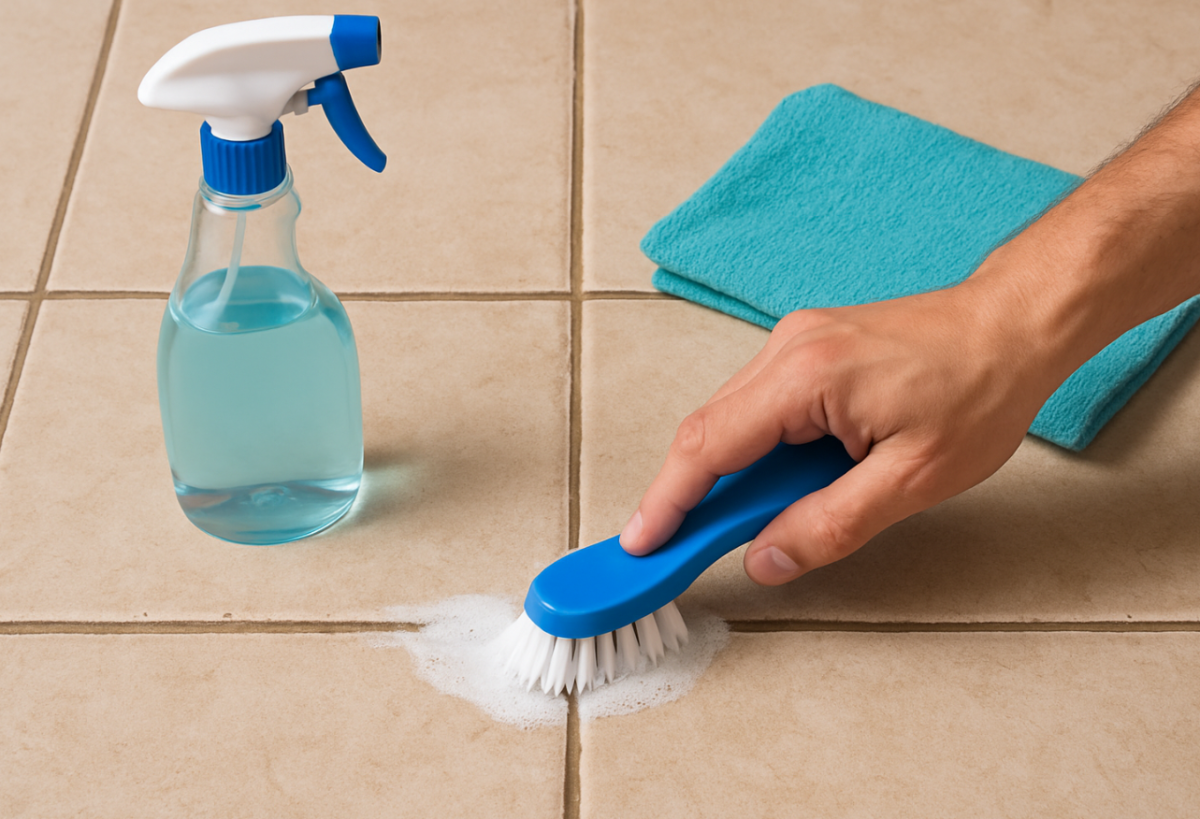
For a powerful vinegar solution, combine equal parts vinegar and water in a spray bottle. Spray it on the grout, let it sit for a few minutes, and then scrub with a brush.
If you need something stronger, hydrogen peroxide is your friend; just apply it directly to the grout and let it sit before scrubbing.
These natural solutions aren’t only effective but also safe for your home, making them perfect for anyone wanting a clean, welcoming space.
Step-by-Step Guide to Cleaning Grout
Cleaning grout doesn’t have to be a challenging task; with a clear plan, you can restore your tiles to their original shine in just a few simple steps.
First, gather your supplies: baking soda, vinegar, a scrub brush, and a spray bottle.
Mix equal parts water and vinegar in the spray bottle and generously apply it to the grout. Allow it to sit for 5-10 minutes.
Next, sprinkle baking soda over the area and scrub with your brush using effective techniques to tackle stubborn stains.
Rinse with warm water, and wipe away any residue.
Finally, dry the area with a clean cloth.
Enjoy your beautifully clean grout, and take pride in your DIY grout cleaning skills!
Tips for Maintaining Clean Grout
After successfully cleaning your grout, keeping it looking fresh and vibrant is the next step.
Start with grout sealing; this protective layer prevents dirt and moisture from penetrating, making routine maintenance much easier. Aim to reseal your grout every six months to a year, depending on usage.
Incorporate simple cleaning habits into your routine—wiping down tiles after showers can dramatically reduce buildup. Use a gentle cleaner, avoiding harsh chemicals that can damage the grout.
Regularly inspect for discoloration or damage, and tackle any issues immediately to prevent further stains.
When to Seek Professional Help
How do you know when it’s time to call in the professionals for your grout issues? If you notice persistent stains or discoloration that won’t budge despite your best DIY efforts, it might be a sign of damage deeper than surface level.
Also, if your grout’s crumbling or cracking, it’s essential to act quickly, as this can lead to bigger problems, like water damage.
When you’re overwhelmed by the extent of the grime or don’t have the time to tackle the job yourself, seeking professional help is a smart move.
As a homeowner in the Sunshine State, you might be asking: Are Home Improvements Tax Deductible in Florida? Since Florida does not have a state income tax, the question of tax deductibility relies almost entirely on Federal tax law. While the cost of a new pool or a cosmetic renovation is generally not deductible in the year it’s paid, key improvements like medically necessary additions, energy-efficient upgrades (such as solar panels), or major capital improvements that increase your home’s value are eligible for significant Federal tax benefits. We clarify the rules that apply to your Florida residence and show you how to maximize your savings come tax season.
You may wonder whether the home improvements you make to your property in Florida are tax deductible. Understanding the nuances of tax deductions related to home improvements can help you maximize your financial benefits. While certain improvements can increase your home’s value and potentially affect your taxes, not all upgrades qualify for deductions. This post will guide you through what you need to know to navigate the tax implications of your home projects in Florida.
Understanding Tax Deductions
General Overview of Tax Deductions
Tax deductions reduce your taxable income, allowing you to pay less in taxes. They come in various forms, including standard deductions and itemized deductions. For homeowners, understanding which deductions apply to your specific situation can lead to substantial savings. It’s vital to keep detailed records of expenses related to homeownership to maximize your benefits when filing your taxes.
Specific Criteria for Home Improvements
Not all home improvements qualify for tax deductions. Generally, improvements that increase your property’s value, prolong its useful life, or adapt it for a new use may be deductible. Examples include adding a new roof, installing energy-efficient windows, or renovating a basement. However, regular repairs or maintenance typically do not meet these criteria.
To claim a deduction for home improvements, ensure your projects align with IRS guidelines. Energy-efficient upgrades often come with tax credits that help offset costs, such as solar panel installations or energy-efficient HVAC systems. Also, improvements made for medical purposes—like creating wheelchair-accessible spaces—may qualify for additional deductions under medical expenses. Document all expenses and consult a tax professional for personalized advice on specific projects that can benefit you financially.
Home Improvement Types and Their Deductibility
Various home improvements can impact your tax situation differently. Some types of enhancements may be deductible, while others may not. Generally, improvements that increase the value of your home or prolong its useful life could be eligible for certain deductions. Understanding each type can help you maximize your potential tax benefits.
Energy-efficient upgrades
Accessibility modifications
Renovations for rental properties
Home office enhancements
Major structural improvements
Home Improvement Type
Deductibility Status
Energy-efficient upgrades
Tax credits available
Accessibility modifications
Potential deductions
Renovations for rental properties
Fully deductible
Home office enhancements
Partial deductions
Major structural improvements
Capital improvements
Energy-Efficient Upgrades
Making energy-efficient upgrades can lead to significant tax credits. Installations such as solar panels, energy-efficient windows, and insulation often qualify for these credits, which can reduce your tax bill. The federal government encourages these improvements to promote sustainability and energy savings in households.
Accessibility Modifications
Accessibility modifications, designed to improve the usability of a home for individuals with disabilities, may be tax-deductible. These changes, including the installation of ramps, grab bars, or wider doorways, can qualify as a medical expense, potentially reducing your tax burden. This provides homeowners with an opportunity to not only improve their living conditions but also gain tax benefits.
For accessibility modifications, the IRS allows expenses that substantially improve your property for disabled individuals to be considered deductible. If you spend money on these modifications specifically for medical reasons, such as enabling someone to live comfortably and safely in their home, you may qualify for a deduction on your tax return. Keeping detailed records of these expenses is imperative for ensuring compliance and maximizing your deduction potential.
Capital Improvements vs. Repair Expenses
Determining whether your expenditures qualify as capital improvements or repair expenses is crucial for understanding potential tax benefits. Capital improvements increase the property’s value or extend its lifespan, while repairs solely maintain or restore it to its original state. For instance, a new roof is a capital improvement, whereas patching a leak is a repair expense.
Definitions and Examples
Capital improvements are upgrades that enhance your property’s value, longevity, or usability. For example, adding a sunroom or finishing a basement qualifies as a capital improvement. In contrast, repair expenses involve routine maintenance, like repainting or fixing leaky faucets, which don’t add significant value but help keep your property in good condition.
Tax Implications of Each
The tax implications for capital improvements and repair expenses differ significantly. Capital improvements can be depreciated over the property’s useful life, providing you with long-term tax benefits. In contrast, repair expenses are typically fully deductible in the year they are incurred, allowing for immediate tax relief, but without the potential for depreciation.
When considering tax implications, it’s beneficial to note that the IRS allows you to recoup costs associated with capital improvements through depreciation, typically over 27.5 years for residential properties. This means that while your initial outlay for a new addition or major renovation may be substantial, you can write off a portion of that cost annually, ultimately reducing your taxable income over several years. Conversely, repair expenses offer an instant tax break since they can be deducted in the same year they occur. This makes repair expenses appealing for immediate financial relief but limits long-term tax benefits compared to capital improvements.
State-Specific Regulations in Florida
Overview of Florida Tax Laws
In Florida, tax laws regarding home improvements can significantly differ from federal regulations. While many residents benefit from Florida’s lack of a state income tax, they must navigate specific property tax assessments that can impact the deductibility of certain improvements. Understanding these nuances is important for homeowners looking to maximize their tax benefits.
Relevant Local Incentives
Florida offers various local incentives for homeowners making improvements to their properties. These can include property tax exemptions for energy-efficient upgrades, historic preservation grants, and assessments for upgrading homestead properties. Engaging with local government programs may provide you with beneficial financial support.
For example, some counties in Florida have energy rebate programs that offer financial incentives for installing solar panels or energy-efficient appliances. Additionally, if your property qualifies for historic status, you may be eligible for substantial tax breaks related to necessary renovations, encouraging preservation while benefiting your finances. Always check with your local government for specific programs available in your area, as these can significantly lower your overall costs while improving your home.
Record Keeping for Tax Deductions
Accurate record keeping is imperative for claiming tax deductions on home improvements. You need to maintain documentation that demonstrates the nature of your projects and their associated costs. This can help ensure you get the full benefits of any deductions available to you, making it easier to justify any claims to tax authorities.
Documentation Requirements
Keep detailed records of all your home improvement projects, including receipts, invoices, and photographs. Document the date of completion, materials used, and any contractor details. This comprehensive record will support your claims and simplify the process when filing your taxes.
Tips for Organized Records
Establish a consistent filing system for your home improvement documents to ensure ease of access during tax season. Utilize physical folders or digital storage solutions, and categorize documents by project type or date. Regularly update your records after each improvement to stay organized.
Keep all receipts, invoices, and contracts in one place.
Document the before-and-after conditions in photographs.
Consider using a dedicated app for managing home improvement projects.
Store copies of important documents off-site for safety.
Perceiving the importance of organization will save you time and stress come tax season.
Having an organized record-keeping system in place can dramatically reduce your stress during tax preparation. A well-structured approach allows you to easily reference relevant documents, preventing last-minute scrambles. Consider using cloud storage for easier access to digital records and to ensure you never misplace critical information.
Create a checklist of documents and information needed well in advance of tax season.
Set reminders to update your records after each home improvement project.
Regularly review your organizational system for improvements.
Involve other family members to ensure everyone is aware of the system.
Perceiving this as an ongoing process will help maintain clarity and efficiency.
Common Misconceptions
Many homeowners in Florida harbor misconceptions regarding tax deductions for home improvements. These misunderstandings can lead to missed opportunities or unexpected tax liabilities. It’s vital to discern fact from fiction to navigate the complexities of tax eligibility for your home renovation projects effectively.
Myths About Home Improvement Deductions
One prevalent myth is that all home improvements automatically qualify for deductions. In reality, only specific enhancements that increase your home’s value or extend its life may be eligible. Understanding these distinctions can save you from potential tax pitfalls.
Clarifying Misunderstandings
Many homeowners believe that any renovation expense is deductible. However, only capital improvements qualify, which means you must enhance the property’s value significantly. Basic repairs or maintenance costs do not count, so it’s vital to accurately categorize your expenses.
For instance, adding a new roof or an extra room can be classified as capital improvements, allowing you to adjust your home’s tax basis. Conversely, repainting or fixing a leaky faucet falls under repair expenses, which are not deductible. Keeping detailed records and receipts helps support your claims and clarifies what qualifies as capital improvements versus repair costs. Understanding these details can greatly influence your tax situation and benefits from home improvements in Florida.
To wrap up
Taking this into account, home improvements in Florida can be tax-deductible under certain conditions, such as if they increase your property’s value or are necessary for medical reasons. You should keep detailed records of your expenses and consult with a tax professional to ensure you’re maximizing your deductions based on the latest regulations. Knowing the specifics can help you make informed decisions about your home upgrades and their potential financial benefits.
Most homeowners seek tranquility in their living environments, yet many face challenges due to noise pollution and disruptive sound. Acoustic zoning offers a promising solution by strategically designating areas within your home to mitigate noise and enhance comfort. This innovative approach not only prioritizes sound management but also allows you to create harmonious spaces tailored to your lifestyle. In this post, you’ll discover how implementing acoustic zoning can transform your living experience, making your home a serene retreat.
Could Acoustic Zoning Be The Future Of Peaceful Home Improvements?
Many homeowners are discovering the benefits of acoustic zoning as a transformative approach to achieving tranquility in your living spaces. This innovative concept involves strategically dividing areas of your home to manage sound levels effectively, reducing noise pollution and enhancing comfort. As you consider improvements, incorporating acoustic zoning could lead to a more peaceful environment, allowing you to enjoy a quieter, more harmonious atmosphere. Explore how this method can not only elevate your home’s aesthetic but also significantly improve your quality of life.
Understanding Acoustic Zoning
Acoustic zoning involves strategically planning spaces within your home or community to control sound levels and enhance acoustic comfort. By designating specific areas for different sound-related activities, you can effectively manage noise pollution, leading to a more serene living environment. This approach integrates architectural design with sound management, allowing you to create a harmonious balance between various functions and noise levels in your space.
Definition and Principles
Acoustic zoning is defined by the separation of areas based on acoustic requirements and sound types. The principles focus on isolating noisy activities, such as entertainment or workspaces, from quieter zones like bedrooms or relaxation areas. This separation helps in reducing noise transmission, allowing you to enjoy each space without disturbance.
Importance in Urban Design
In urban design, acoustic zoning becomes important as cities grow denser and livability becomes more challenging. By applying acoustic zoning principles, urban planners can create more harmonious environments that reduce stress and enhance well-being for residents. This can include designing parks or quiet zones near high-traffic areas, ensuring that you have accessible, peaceful retreats amidst urban hustle.
For instance, cities like Barcelona have started implementing soundscapes in their parks, actively combining nature with ambient sound design to create pockets of tranquility. Studies have shown that well-designed acoustic environments can improve mental health, productivity, and social interactions. By prioritizing acoustic zoning in urban settings, planners can tackle noise pollution’s adverse effects while fostering community engagement and enhancing overall quality of life.
Understanding Acoustic Zoning
Acoustic zoning is an innovative approach that allows you to strategically design spaces within your home to optimize sound management. By dividing your living areas into zones based on sound properties, you can create quiet retreats and lively social spaces tailored to your lifestyle. This method recognizes the varying acoustic needs of different activities, ensuring that noise levels remain conducive to the purpose of each zone.
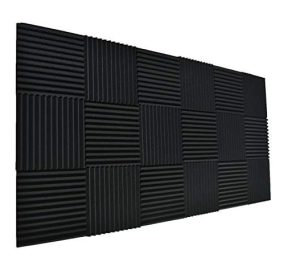
Acoustic Wedge Studio Foam Sound Absorption Wall Panels
Definition and Principles of Acoustic Zoning
At its core, acoustic zoning involves segmenting your environment to manage sound levels effectively. This principle is grounded in the idea that different areas require varied acoustic treatments; for instance, a home office necessitates quiet, while a playroom may allow for more noise. You can utilize materials and designs intentionally to enhance or dampen sound, creating a tailored auditory experience.
Importance of Noise Control in Home Environments
Noisy environments can significantly affect your well-being and productivity. Research indicates that excessive noise can lead to stress, hinder concentration, and disrupt sleep patterns. By prioritizing noise control, you create a more harmonious atmosphere in your home, enhancing both comfort and functionality.
Effective noise control is crucial for promoting mental health and overall quality of life in your home. For instance, studies show that individuals exposed to constant noise are at higher risk for cardiovascular issues. Additionally, implementing soundproofing measures in critical areas, such as bedrooms and home offices, can lead to improved sleep quality and increased focus during work hours. Ultimately, investing in acoustic zoning not only protects your home’s peace but also fosters a healthier living environment overall.
Benefits of Acoustic Zoning in Home Improvements
Acoustic zoning offers numerous benefits that can transform your living space into a serene retreat. By strategically designing areas based on sound insulation and control, you enhance not only the aesthetic value of your home but also its functionality. You can create peaceful environments for relaxation, work, or entertainment, reducing noise distractions and providing a more harmonious atmosphere. Such improvements can significantly elevate your overall quality of life.
Enhanced Comfort and Well-Being
With acoustic zoning, you cultivate spaces that prioritize your comfort. By minimizing noise interference, you can enjoy quiet moments in dedicated zones designed for relaxation or focus. Enhanced sound insulation allows you to concentrate better, leading to improved mental well-being and reduced stress. Home environments tailored to your sound preferences can truly promote a sense of peace and rejuvenation.
Increased Property Value
Implementing acoustic zoning is an effective strategy for boosting your property value. Homebuyers are increasingly drawn to properties that offer comfort and reduced noise levels. An investment in soundproofing measures enhances appeal, distinguishing your property in a competitive market. Properties with dedicated quiet spaces or home offices are often seen as more desirable, making them command higher prices.
Specifically, studies show that homes with effective soundproofing measures can see value increases of up to 10%. Features like sound-absorbing materials, dedicated quiet zones, and external noise barriers not only enhance living quality but also elevate the overall marketability. As urban areas grow busier, the demand for quieter interiors will likely continue to rise, making acoustic zoning a worthwhile investment for future resale potential.
The Benefits of Acoustic Zoning
Acoustic zoning offers a range of benefits that enhance both the functionality and enjoyment of your home. By strategically implementing zoning techniques, you can create separate areas tailored for specific sound requirements, allowing for a more peaceful living environment. This targeted approach reduces noise pollution from external sources and improves overall acoustics within your space. As a result, you may notice a decrease in stress levels, improved productivity, and increased satisfaction with your home’s atmosphere.
Enhancing Comfort and Well-Being
Implementing acoustic zoning can significantly enhance your comfort and well-being. By isolating noise-sensitive areas, such as bedrooms or study spaces, you create tranquil environments conducive to relaxation and focus. Soundproofing materials and strategic room layouts can mitigate disruptions from outside or within your home, fostering a serene atmosphere where you can enhance your leisure time and boost productivity.
Increasing Property Value with Sound Management
Effective sound management through acoustic zoning can lead to increased property value. Homes equipped with soundproofed features often attract buyers who appreciate tranquility, leading to a higher resale price. In competitive markets, homes that showcase thoughtful noise control elements stand out, offering a tangible benefit that many buyers seek.
Incorporating sound management features, such as acoustic panels, double-glazed windows, or designated quiet zones, directly impacts the desirability of your property. Data indicates that homes with enhanced sound insulation can see a value increase of up to 5% in urban areas, where noise pollution is more prevalent. By investing in acoustic zoning, you not only improve your living experience but also make a wise financial decision for future resale opportunities.
Techniques for Implementing Acoustic Zoning
To effectively implement acoustic zoning in your home, you should consider several techniques that contribute to sound management and create distinct auditory environments throughout your space. This involves carefully selecting materials, organizing the layout, and integrating soundproofing solutions to minimize noise disturbance and enhance the overall living experience.
Material Selection
Your choice of materials significantly impacts the acoustic performance of your spaces. Opt for sound-absorbing fabrics, wall panels, and carpets that can reduce echo and transmission of noise. Additionally, consider lightweight acoustic tiles for ceilings and specialized glass for windows to further enhance your home’s sound insulation.
Spatial Planning
Thoughtful spatial planning is key to establishing effective acoustic zones within your home. By strategically arranging rooms, you can separate noisy areas from quiet ones, such as placing bedrooms away from living rooms or play areas. Consider the flow of sound through shared walls and utilize furniture placement to further dampen disturbances.
For optimal spatial planning, analyze the layout of your home and identify noise sources that disrupt peace. Designate areas for relaxation and concentration away from high-traffic zones. Use open shelves and soft furnishings to create barriers that absorb sound. Implementing this approach not only enhances acoustics but also improves functionality, making your home a more harmonious and enjoyable environment. For instance, if you work from home, prioritize a dedicated space away from common areas to maintain focus and tranquility. Balancing layout and acoustics can significantly improve your day-to-day living experience.
Implementing Acoustic Zoning in Home Improvements
Implementing acoustic zoning in your home involves strategic planning and thoughtful design to enhance sound control. Begin by assessing your space to identify areas where noise can disrupt relaxation or productivity. Use zoning techniques to separate high-noise areas, such as playrooms or home offices, from quieter zones like bedrooms or reading nooks. This approach not only improves comfort but also elevates the overall ambiance of your living environment.
Practical Techniques and Materials
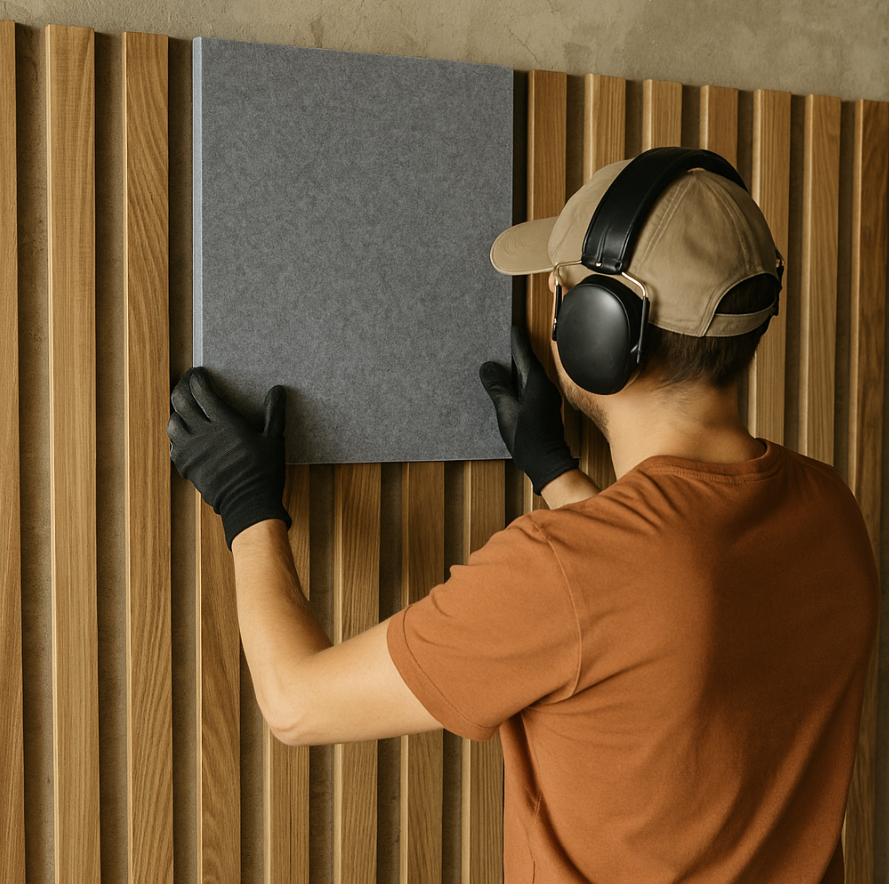
Utilize a variety of materials and techniques to achieve effective acoustic zoning in your home. Incorporate sound-absorbing materials like acoustic panels, carpets, and heavy curtains to dampen noise. You can also install soundproof drywall or use insulation materials that specifically reduce sound transmission. Additionally, strategic layout changes, such as using bookshelves or plants as natural sound barriers, can further promote a quieter atmosphere.
Designing Spaces with Sound in Mind
When designing spaces, consider how sound will interact with your layout and furnishings. Use open versus closed spaces intentionally, as open layouts can amplify noise while enclosed rooms offer more sound isolation. Incorporate softer furnishings and textiles to absorb sound waves, while hard surfaces like tiles or glass can contribute to echo. Personalizing your space with furniture arrangement and decor choices allows you to mitigate unwanted noise effectively.
Incorporating acoustic considerations into your design begins with understanding sound behavior in your home. For instance, if you place a home office near a bustling living area, you might experience disturbances. Instead, consider positioning it in a more isolated part of your home, perhaps employing rugs and cushions to minimize sound reflection. Further, experimenting with wall colors and textures can influence how sound travels, making it an important element in creating peaceful living spaces tailored to your lifestyle.
Case Studies: Successful Acoustic Zoning Applications
Examining real-world applications of acoustic zoning illustrates its effectiveness in enhancing living environments. Numerous residential projects and community developments highlight how thoughtful design can lead to quieter, more enjoyable spaces. Below are key examples demonstrating the impact of these initiatives:
Project A: A 2,000 sq. ft. home in Portland, OR, implemented acoustic zoning, reducing noise levels by 30% in recreational areas.
Project B: An apartment complex in San Francisco utilized sound-absorbing materials, leading to a 25% decrease in tenant noise complaints.
Project C: A mixed-use development in Austin restructured its layout, featuring designated quiet zones that improved resident satisfaction scores by 40%.
Project D: A community center in Denver created sound-reducing spaces, achieving a 35% increase in usage during peak hours.
Residential Projects
In residential settings, acoustic zoning has shown remarkable improvements in comfort and privacy. Homeowners who adopted designated quiet zones have reported significant reductions in stress and enhanced overall well-being.
Community Developments
Community developments have harnessed the power of acoustic zoning, promoting serene environments in shared spaces. Implementing strategic designs within parks and public venues has transformed areas, fostering community enjoyment and engagement.
For instance, a community park in Seattle integrated sound barriers and designated quiet zones, reducing noise pollution from nearby roads. As a result, visitor satisfaction increased by 50%, and the park became a favored gathering spot for families. Such projects demonstrate the versatility of acoustic zoning in various settings, proving beneficial for both residents and local economies.
Case Studies: Successful Acoustic Zoning Projects
Exploring successful projects reveals the transformational potential of acoustic zoning. Innovators in design and engineering have demonstrated its effectiveness through various residential and commercial applications, showcasing how sound management can enhance both comfort and productivity.
New York City Apartment: A remodeled loft utilized acoustic panels to reduce sound transmission by 40%, improving residents’ quality of life.
California Office Space: Implemented a zoning system that reduced noise complaints by 60%, leading to a 25% increase in employee satisfaction.
London Co-Working Space: Panel installations reduced ambient noise by 50%, increasing member collaboration and productivity metrics by 30%.
Seattle Family Home: Open-concept living areas were redesigned with acoustic curtains, decreasing noise levels by 35% and enhancing home tranquility.
Residential Examples
In residential settings, acoustic zoning can vastly improve your living environment. For instance, a Seattle family home installed acoustic drapes between living spaces, effectively reducing sound levels during busy family activities, which in turn fostered a more peaceful atmosphere, particularly during kids’ study time.
Lessons Learned from Commercial Applications
Commercial applications of acoustic zoning highlight significant insights into the benefits of sound management in business settings. Effective zoning strategies have led to improved employee focus, heightened collaboration, and reduced stress levels in bustling environments, ultimately driving up overall productivity.
Notably, the implementation of acoustic zoning in commercial spaces has shown that proper sound management can directly influence workplace culture. By zoning areas for collaborative work while maintaining quiet zones, businesses have reported a decrease in stress-related issues and a notable improvement in teamwork. Companies adopting these strategies have seen a 45% reduction in distractions, helping employees achieve clearer focus during work hours and enhancing communication efficiency across teams. These learnings underline the importance of thoughtfully designed spaces that prioritize auditory comfort for optimal operation.
Challenges and Considerations
While the benefits of acoustic zoning are clear, you need to navigate several challenges before implementing these solutions. Key aspects include budgeting for the initial costs, understanding regulatory requirements, and addressing potential aesthetic concerns. Each of these factors can significantly impact your project and overall experience with acoustic improvements.
Costs and Budgeting
Budgeting for acoustic zoning can be complex, as costs vary widely based on materials, installation, and the extent of soundproofing required. While high-quality soundproofing materials like acoustic panels and soundproof drywall can enhance effectiveness, they also represent a substantial upfront investment. You should allocate funds not just for materials but also for labor if professional installation is necessary, ensuring a comprehensive understanding of the financial implications.
Regulatory Hurdles
Regulatory hurdles can complicate your acoustic zoning projects, as building codes and local ordinances may impose restrictions on soundproofing materials or techniques. You must research and comply with regulations specific to your area, including acoustic performance standards and safety requirements, which can affect your overall design and budget.
Understanding the local regulatory landscape is crucial. For instance, certain cities enforce minimum noise reduction coefficients for residential buildings, while others may require permits for significant renovations involving soundproofing. It’s advisable to consult with local authorities or a contractor familiar with these codes to ensure that your modifications adhere to all legal requirements, avoiding potential fines or forced alterations later in the process. Engaging an expert can also streamline the approval process, making your transition to a more peaceful home smoother and more compliant.
Challenges and Considerations in Acoustic Zoning
While acoustic zoning presents significant advantages, several challenges demand your consideration. The integration of soundproofing measures can be technically complex, requiring expert installation and planning. Furthermore, maintaining aesthetic appeal while addressing acoustic issues can be a delicate balance. You may also encounter limitations based on the structure of your existing home, making retrofitting a more arduous task. Understanding these challenges is necessary to creating effective and harmonious living spaces.
Cost Implications
Implementing acoustic zoning can necessitate a significant investment. Depending on the materials and techniques you choose, costs may range widely. For instance, soundproof drywall, acoustic panels, and insulation can each contribute to high material and installation expenses. You should also factor in potential expenses related to structural modifications or professional consultations, which can further impact your budget. Effective planning can help you weigh these costs against the long-term benefits of enhanced tranquility.
Regulations and Standards
Acoustic zoning projects often require adherence to local building codes and regulations. These can cover aspects such as noise levels, material specifications, and construction methods. You must ensure that your enhancements comply with zoning laws to avoid fines or required modifications down the line. Consulting with local authorities or specialists can help you navigate these regulations effectively and ensure your project aligns with all necessary standards.
Your understanding of regulations and standards surrounding acoustic zoning will prove valuable in executing a successful project. Local governments often establish noise ordinances that dictate acceptable sound levels within residential areas. Additionally, specific building codes may require that soundproofing materials meet predefined acoustic performance ratings, ensuring functions like fire safety and structural integrity are not compromised. Engaging with acoustic specialists can also unearth valuable insights on best practices and necessary certifications needed for compliance. Prioritizing these aspects will provide peace of mind throughout your home improvement journey.
Future Trends in Acoustic Zoning
As you look ahead, trends in acoustic zoning are poised to reshape residential spaces significantly. With urban living on the rise, the demand for effective sound management continues to grow. You can anticipate an integration of advanced materials and design philosophies that prioritize noise reduction while enhancing aesthetics. The focus will increasingly shift toward dynamic zones that adapt to your lifestyle, making your home a more peaceful haven.
Innovative Technologies
You’ll find that new technologies are emerging to make acoustic zoning more effective and accessible. Smart sound-absorbing panels equipped with sensors can adjust their properties based on ambient noise levels, providing customized sound environments. Additionally, virtual reality simulations can assist you in visualizing sound zones before implementation, ensuring the ideal layout for your space.
Sustainability Integration
Integrating sustainability within acoustic zoning enhances both environmental impact and user experience. You can expect eco-friendly materials designed to diminish sound transmission, sourced from renewable resources. These innovations not only make your home quieter but also reduce your carbon footprint.
Sustainability in acoustic zoning extends beyond material selection. You can incorporate soundproofing systems made from recycled materials, which contribute to resource conservation. For instance, cellulose insulation derived from recycled paper effectively absorbs sound while promoting energy efficiency. As you transition to energy-efficient HVAC systems, consider how duct acoustics can minimize noise, ensuring your indoor climate control is both quiet and green. This approach creates a synergy between comfort and environmental responsibility, making your home a model for modern living.
The Future of Acoustic Zoning in Home Design
The integration of acoustic zoning into home design is likely to evolve significantly, reshaping residential spaces into more harmonious environments. As urbanization continues to rise, dedicating specific areas for quiet, concentration, and relaxation will become increasingly necessary. By leveraging advanced materials and innovative design principles, you could experience not only improved acoustics but also enhanced well-being in your living spaces.
Emerging Technologies and Innovations
Cutting-edge technologies are redefining acoustic zoning, enabling more effective sound management in homes. Innovations such as soundproofing materials embedded with AI capabilities actively adapt to changing noise levels. Additionally, acoustic panels designed with smart technology can automatically adjust their properties based on your environment, ensuring optimal sound quality tailored to your needs.
The Role of Community Planning
Community planning plays a pivotal role in the successful implementation of acoustic zoning. Collaboration between architectural experts, local governments, and residents can lead to well-structured neighborhoods that prioritize sound quality. Zoning regulations that mandate designated quiet zones and noise-reduction features in public spaces can significantly enhance overall community well-being, fostering a culture of mindfulness towards noise pollution.
Community planning must also consider existing noise sources and future developments that may impact acoustic environments. Collaborative efforts can involve stakeholder meetings to gather input from residents about their acoustic preferences. By harmonizing land use and strict building codes focused on sound mitigation, neighborhoods can cultivate peaceful atmospheres that contribute positively to residents’ mental health and quality of life.
Summing up
To wrap up, you can see that acoustic zoning has the potential to transform your home into a more peaceful environment. By strategically designing soundproofed spaces, you enhance your comfort and improve your overall quality of life. Embracing these innovative sound management strategies allows you to enjoy your home without the disturbances of everyday noise. As communities continue to evolve, considering acoustic zoning could be a key aspect of your future home improvements.
Energy costs play a significant role in your home’s heating expenses, making it crucial to choose an efficient central heating system. You may be wondering which options are the most cost-effective for your needs. In this post, we will explore various central heating systems, their operational costs, and factors that affect your overall expenses, helping you make an informed decision to keep your home warm without overspending.
Understanding Central Heating Systems
Central heating systems are necessary for maintaining warmth and comfort in your home during colder months. They function by distributing heat from a central source throughout your living space, often using water or air as the heating medium. Various systems are designed to meet different needs, energy sources, and efficiency levels, which can significantly impact your heating costs.
Types of Central Heating Systems
Several types of central heating systems are available, each catering to different home layouts and preferences. These include:
Gas Boilers
Electric Boilers
Oil Boilers
Heat Pumps
Wood or Pellet Stoves
This variety allows you to choose a system that best suits your home and budget.
Type of System
Typical Efficiency (%)
Gas Boiler
90-98
Electric Boiler
95-100
Oil Boiler
85-95
Heat Pump
300-400
Efficiency Ratings and Costs
When selecting a central heating system, understanding efficiency ratings is crucial since these ratings directly affect your operating costs. Systems with higher efficiency ratings convert more energy into heat, which reduces energy bills in the long run. The initial installation costs may vary, but the savings on utility bills often justify the investment in a more efficient system.
For instance, a heat pump may have a higher upfront cost than a traditional gas boiler, but its efficiency can potentially save you hundreds annually on energy costs. On the other hand, oil boilers, while less efficient, are sometimes preferred in areas without gas supply. Your choice ultimately hinges on balancing initial costs with long-term savings and efficiency preferences.
Factors Affecting Heating Costs
Your heating expenses are influenced by several factors that determine how efficiently your system operates. Key elements include the type of heating system, insulation quality, thermostat settings, and the size of your home.
Type of central heating system
Insulation quality
Thermostat settings
Size of your home
Perceiving these influences can help you optimize your heating costs.
Energy Prices
Energy prices fluctuate based on market conditions, policies, and demand. Spotting trends in natural gas, electricity, or oil prices allows you to make informed decisions about the most economical heating system to use in your home. For example, opting for a gas furnace may be cheaper in some areas than electric heaters.
Local Climate
Your local climate significantly impacts heating costs. Homes in colder regions typically require more robust heating systems, leading to higher energy consumption. For instance, a well-insulated home in a milder climate might benefit from a heat pump, while those in frigid areas may rely on gas boilers for greater efficiency.
In regions with extreme winters, the demands on your heating system are amplified, causing increased energy usage. Understanding the average temperature ranges and seasonal variations can help you select a heating system that best suits your environment. Such systems may include options like biomass boilers or geothermal heat pumps, which can offer cost-effective solutions in colder climates.
The Cheapest Options for Central Heating
When considering central heating, some systems stand out for their affordability both in initial setup and ongoing running costs. Each option presents distinct advantages. Evaluating electric, gas, and renewable energy systems can help you make an informed decision tailored to your needs and budget.
Electric Heating Systems
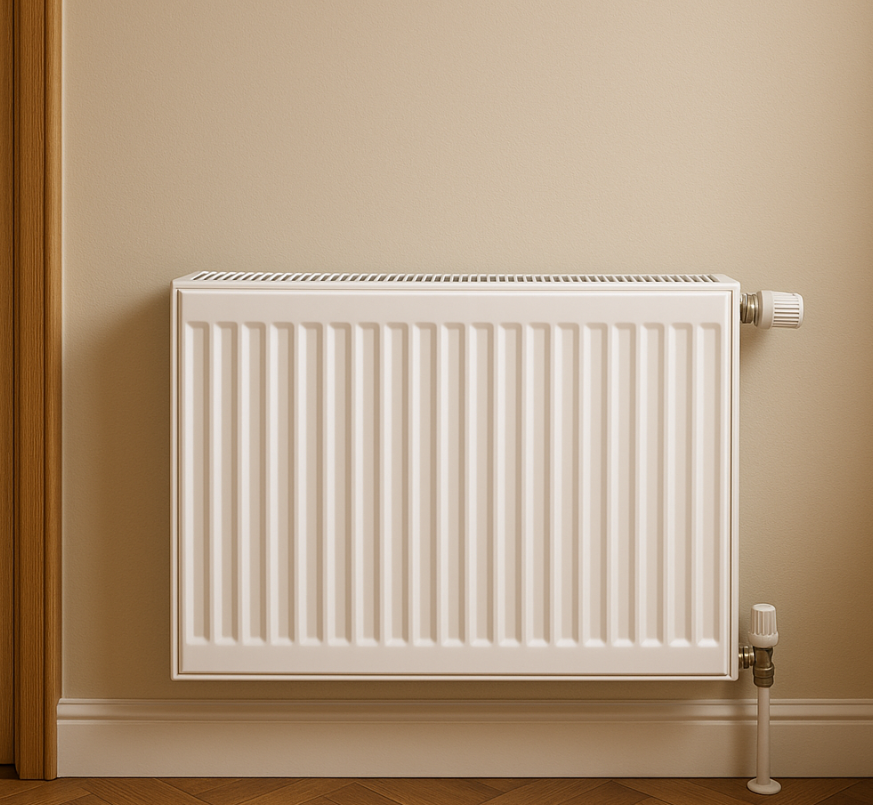
Electric heating systems, like electric radiators and underfloor heating, offer low installation costs and are easy to maintain. They convert electricity directly into heat, providing immediate warmth. While electricity prices can fluctuate, off-peak tariffs may help you save on running costs, especially if you schedule usage during quieter periods.
Gas Heating Systems
Gas heating systems are often considered one of the most cost-effective heating methods for homes. They typically have lower fuel costs than electricity, resulting in savings on your energy bills. Additionally, modern gas boilers are highly efficient, converting over 90% of energy into heat, which can significantly reduce your overall heating expenses.
In areas where natural gas is available, you can benefit from lower rates compared to electric heating. Gas systems also provide rapid heating and are generally more environmentally friendly than electric systems, especially when combined with renewable gas sources. Choosing a high-efficiency condensing boiler can further optimize energy usage, ensuring you get the most for your money.
Renewable Energy Solutions
Investing in renewable energy solutions, like heat pumps and solar heating, can dramatically lower your heating costs over time. While the initial investment might be higher, government incentives and savings on energy bills can make these options economically viable, especially in energy-conscious households.
Heat pumps utilize renewable energy from the air or ground to generate heat, offering copious savings over traditional systems. For instance, a ground-source heat pump can produce three to four times more energy in heat than it consumes in electricity. Solar thermal systems can further reduce your reliance on fossil fuels, allowing you to harness the sun’s power to heat your home efficiently and sustainably. Embracing these technologies not only cuts costs but also promotes a greener lifestyle.
Comparison of Central Heating Systems
Heating System
Annual Running Cost (£)
Gas Boiler
600-800
Electric Heating
1,200-1,800
Oil Heating
800-1,200
Heat Pumps
500-1,000
Wood Pellets
700-900
Cost Analysis
When evaluating the cost of central heating systems, it’s crucial to look beyond the initial installation price. While gas boilers might have a lower setup cost, their operational costs can add up significantly depending on gas prices. On the other hand, heat pumps, despite higher upfront costs, generally offer lower running expenses, possibly saving you more in the long run.
Long-term Savings
Long-term savings are a vital consideration in your heating system choice, as they impact your overall financial strategy. Although some systems have higher initial costs, lower running costs, and maintenance fees often mean significant savings over time. Investing in energy-efficient systems can reduce your energy bills and possibly qualify you for government grants or rebates, making a substantial difference to your finances.
For instance, a household with a heat pump may spend approximately 40% less annually compared to traditional gas heating. Additionally, maintaining modern systems is typically less frequent and cheaper, meaning lower maintenance expenses throughout their lifespan. Thus, choosing the right central heating system not only helps in immediate costs but also accumulates considerable savings as years go by.
Maintenance and Running Costs
To ensure your central heating system remains cost-effective over time, understanding its maintenance and running costs is vital. Regular maintenance can significantly extend the lifespan of your unit, prevent breakdowns, and improve efficiency, reducing your overall energy expenses. Investing time and resources into keeping your system in top condition means you will enjoy low running costs and reliable performance.
Regular Maintenance
Routine maintenance, such as yearly inspections and cleaning, helps you identify and address issues before they escalate. Simple tasks like bleeding radiators, checking for leaks, and replacing filters can enhance performance. Scheduling a professional servicing annually can lead to significant savings on potential repairs and energy bills down the line.
Impact on Efficiency
The efficiency of your heating system directly affects your energy costs. A well-maintained system operates closer to its optimal capacity, ensuring you use less fuel. Conversely, neglecting maintenance can lead to decreased performance, making your heating system work harder and driving up your energy bills.
A study by the Energy Saving Trust indicates that a poorly maintained boiler can lose up to 30% of its efficiency, resulting in hundreds of dollars in unnecessary costs annually. By prioritizing maintenance, you optimize your heating system’s efficiency, ultimately reducing energy consumption and monthly expenses. Regular servicing not only aids in maintaining efficiency but also helps identify any potential upgrades that could further reduce operational costs.
Regional Considerations
When evaluating heating systems, regional factors significantly impact your overall costs. Variations in climate, fuel availability, and local energy prices can greatly affect efficiency and running expenses. For example, in areas where natural gas is abundant, a gas boiler may emerge as the most affordable option. Conversely, regions heavily reliant on electricity might find electric heating systems more feasible. Understanding your local context enables you to tailor your choices to suit both climate conditions and cost-effectiveness.
Urban vs. Rural Heating Costs
Your heating expenses can differ markedly between urban and rural settings. In urban areas, you may benefit from advanced heating technologies and possibly lower labor costs for installation and maintenance. However, rural locations might have limited options, often leading you to rely on more expensive alternatives. Additionally, transport costs for fuel deliveries can affect overall expenses significantly, making location a vital factor in determining your heating setup.
Incentives and Rebates
Financial incentives and rebates for specific heating systems can significantly lower your initial investment and long-term running costs. Many governments and local authorities offer programs to encourage energy-efficient technologies like heat pumps or solar heating, with rebates often covering a percentage of installation expenses. Accessing these incentives can result in substantial savings, making it vital to research available options.
For instance, in the UK, the Renewable Heat Incentive (RHI) allows homeowners to receive payments for generating heat from renewable sources. By utilizing such programs, you might recoup installation costs over time while also reducing your carbon footprint. Additionally, energy efficiency grants often offer financial help for updating insulation and technology, enhancing your heating system’s performance and further lowering your bills. Be proactive about exploring these opportunities to maximize savings and minimize running costs.
Summing up
Taking this into account, the cheapest central heating system for you to run will typically be a gas or biomass boiler, as they offer lower fuel costs and higher efficiency ratings compared to electric alternatives. Additionally, consider investing in smart thermostats and proper insulation to enhance energy savings. By choosing the right heating system and implementing energy-efficient practices, you can significantly reduce your heating bills while ensuring a comfortable living environment.
There’s a variety of central heating systems available, each designed to meet your specific needs and preferences. Understanding the different types can help you make informed decisions for maintaining comfort in your home. From traditional boilers to modern heat pumps, knowing the options allows you to choose the most efficient and reliable system for your space. In this post, we’ll explore the four primary types of central heating systems and their unique benefits.
Overview of Central Heating Systems
Central heating systems are important for maintaining a comfortable indoor environment during colder months. They provide consistent warmth by distributing heat from a central source across various spaces in your home. Understanding the different types of systems available—each with unique benefits—allows you to make informed choices for improved energy efficiency and cost savings.
Definition and Purpose
A central heating system consists of a network designed to heat multiple rooms from a single heat source. Its primary purpose is to ensure your living space remains warm and comfortable, regardless of the outdoor temperature. Through efficient heat distribution, these systems can enhance your home’s livability and overall energy performance.
Importance of Choosing the Right System
Choosing the right central heating system impacts your comfort, energy bills, and environmental footprint. Each type offers unique advantages regarding installation, efficiency, and operational costs. By evaluating your home’s specific needs, such as size, insulation, and budget, you can select a system that optimizes heating while minimizing expenses.
Different heating systems vary significantly in their installation costs, maintenance needs, and energy sources—gas, electric, or renewable options. For instance, a gas boiler may offer lower running costs compared to electric systems but can come with higher initial installation fees. In contrast, investing in a heat pump may reduce energy use over time, depending on your local climate. Evaluating these factors can lead you to a system that not only fulfills your heating needs but also respects your financial and environmental goals.
Types of Central Heating Systems
Understanding various central heating systems can help you make an informed decision for your home. The following systems cater to different heating needs and preferences:
Boilers
Furnaces
Heat Pumps
Radiant Heating
The range of options ensures that you find a suitable system for your specific requirements.
Boilers
Utilize water to generate heat and circulate it through pipes.
Furnaces
Heats air and distributes it through ducts.
Heat Pumps
Transfers heat between the indoors and outdoors.
Radiant Heating
Uses heated surfaces to warm the air in a room.
Boilers
Boilers are highly efficient systems that heat water and distribute it as steam or hot water. This method allows for even heating across your home. Many modern boilers can achieve 90% efficiency or higher, significantly reducing energy bills. Depending on your system type, you may opt for gas, oil, or electric-powered boilers to fit your needs.
Furnaces
Furnaces are designed to heat air and circulate it throughout your home via ductwork. They can operate on various fuel types, including gas, oil, or electricity. Generally, furnaces achieve high efficiency ratings and can be finely tuned to ensure consistent comfort amidst varying outdoor temperatures.
With a furnace, you enjoy rapid heating, which is beneficial during harsh winter months. The system offers different models, including conventional and high-efficiency units, providing options that suit your budget and energy goals.
Heat Pumps
Heat pumps work by transferring heat rather than generating it directly, making them an energy-efficient option for heating and cooling your home. They can extract heat from the air, ground, or water, and use it to warm your living spaces effectively. Depending on climate conditions, specific types of heat pumps may perform better.
In milder climates, air-source heat pumps offer efficient heating, while ground-source heat pumps provide stability in extreme temperatures. The versatility means your system can be catered to year-round needs, often leading to considerable savings on energy bills.
Radiant Heating
Radiant heating systems provide warmth directly to floors or walls, achieving a uniform heat distribution. This approach often involves hydronic systems that circulate heated water through tubes or electric systems installed beneath flooring. The result is a cozy environment without the drafts common with traditional systems.
In addition to comfort, radiant heating can enhance energy efficiency by allowing lower thermostat settings since heat is emitted evenly. It’s particularly effective in homes with tile or concrete floors, where the system operates silently, making it a desirable choice for modern living spaces.
Comparison of Heating Systems
Heating System
Features
Gas Central Heating
Efficient, quick heating, lower running costs.
Electric Heating
Simple installation, but higher energy costs.
Oil Central Heating
Good for rural areas, fluctuating oil prices.
Heat Pumps
Eco-friendly, significant installation costs.
Efficiency
When evaluating heating systems, efficiency plays a critical role in your energy bills. Gas central heating typically outperforms electric systems in efficiency, while heat pumps offer substantial energy savings in milder climates. Electric heating might be convenient, but it tends to be less energy-efficient, impacting your overall costs.
Cost
Your initial investment and ongoing expenses can vary significantly among heating systems. Gas boilers might have a higher upfront cost but can lower your monthly energy bills, unlike electric systems that usually result in increased expenses over time due to energy prices.
For example, installing a gas central heating system may cost around £3,000-£5,000, whereas electric heating solutions can be lower in installation cost yet may lead to monthly bills that exceed £100, especially during the winter months. In contrast, oil systems can cost up to £4,500 initially and present variable fuel prices. Heat pumps often necessitate higher initial investments of £8,000-£12,000, but they can significantly reduce your energy bills in the long term, especially in well-insulated homes.
Maintenance
Regular maintenance is vital for optimal performance and longevity of your heating system. Gas central heating systems require annual checks by a certified technician to ensure safety and efficiency, while electric systems typically demand less maintenance.
Neglecting maintenance on gas boilers can lead to serious safety hazards, including carbon monoxide leaks. Conversely, electric heating systems, though easier to maintain, can suffer from issues like system overheating if not regularly checked. It’s important to factor in these maintenance needs when assessing the lifetime costs and reliability of any heating system in your home.
Selecting the Right System for Your Home
Choosing the appropriate central heating system for your home involves assessing your specific needs and preferences. Factors such as the layout of your home, available energy sources, and budget will influence your decision. Each system has its advantages and challenges, ensuring there’s a suitable option for every household.
Factors to Consider
When choosing a heating system, consider the following:
Size of your home
Energy efficiency ratings
Installation and maintenance costs
Fuel availability in your area
Your personal comfort preferences
Recognizing these factors will help identify the most effective heating solution for your living space.
Professional Consultation
Engaging a professional can provide valuable insights as you navigate your heating options. Specialists can assess your home’s specific characteristics and recommend the best systems tailored to your needs. They can evaluate factors like insulation quality and existing infrastructure that may influence your heating efficiency.
A professional consultation often includes a detailed analysis of your home and a clear explanation of various systems’ benefits and drawbacks. By examining your current heating setup, professionals can suggest upgrades or alternatives that maximize comfort and energy savings. Access to their expertise ensures you make informed decisions that cater to both your current needs and future challenges, making the investment worthwhile.
Installation and Maintenance
Proper installation and regular maintenance of your central heating system ensure optimal performance and longevity. Skilled professionals should handle the initial setup to guarantee that all components are correctly integrated and functioning efficiently. Neglecting maintenance can lead to unforeseen breakdowns and costly repairs that could have been avoided with routine care.
Installation Process
The installation process typically involves assessing your space and selecting the appropriate system based on your heating needs. After that, layout planning ensures efficient piping and placement of radiators or vents. Qualified technicians will then install the system, ensuring all connections are secure and that controls and thermostats are calibrated correctly for efficient operation.
Regular Maintenance Tips
Schedule annual system inspections.
Inspect and replace filters regularly.
Bleed your radiators to release trapped air.
Check thermostat accuracy to ensure optimal settings.
Assume that regular upkeep enhances system longevity.
Regular maintenance not only keeps your system running efficiently; it also identifies potential issues before they escalate into significant problems. Keeping a log of service dates and any repairs will assist you in staying organized. Consistently checking for signs of wear and tear can prevent catastrophic failures.
Keep a maintenance log to track service dates.
Inspect ducts and vents for blockages or damage.
Ensure proper insulation to maintain heating efficiency.
Evaluate your system’s performance regularly.
Assume that preventative measures save money in the long run.
Benefits of Modern Central Heating Systems
Modern central heating systems offer a range of benefits that enhance both comfort and efficiency in your home. With advancements in technology, these systems not only provide consistent warmth but also contribute to energy savings, helping you lower your utility bills and reduce your carbon footprint. You’ll find that features such as programmable thermostats and smart controls allow for more personalized heating options, making your living environment more enjoyable and cost-effective.
Energy Efficiency
Energy efficiency is a hallmark of contemporary central heating systems. By utilizing advanced technologies, such as condensing boilers or heat pumps, these systems can operate using significantly less fuel compared to older models. You could save up to 30% on heating costs simply by upgrading your equipment, which in turn reduces greenhouse gas emissions and supports environmental sustainability.
Comfort and Convenience
With respect to comfort, modern central heating systems excel by providing consistent and even warmth throughout your living spaces. Smart controls enable you to set schedules, adjust temperatures remotely, and create zones in your home for customized heating. This means you’ll enjoy customized comfort tailored to your preferences and lifestyle, enhancing your overall living experience.
With features like smart thermostats and zone heating capabilities, you can easily control temperatures in specific areas of your home. This flexibility not only maximizes comfort but also promotes energy savings by allowing you to heat only the rooms you use. Furthermore, many modern systems include Wi-Fi connectivity, letting you adjust your home’s heating from anywhere, ensuring a warm welcome when you arrive home. Such conveniences transform your central heating experience from a basic necessity into a seamless part of your daily life.
Conclusion
From above, you have learned that the four types of central heating systems—steam, hot water, forced air, and electric—each offer distinct advantages and operational methods tailored to your needs. Understanding these systems allows you to select the most efficient option for your home, ensuring comfort and effective energy use. By evaluating your specific requirements and preferences, you can make an informed decision that enhances your living space.
Fortify your home without breaking the bank! Discover the top DIY Security Upgrades, from smart doorbells and motion lighting to simple hardware fixes that deter intruders.
When it comes to home security, you don’t need to spend a fortune to make significant upgrades. Simple DIY measures can enhance your safety without straining your budget. From reinforcing locks to installing motion-activated lights, there are numerous ways to protect your home effectively. Let’s explore these practical upgrades so you can create a safer environment for your family and peace of mind for yourself. What’s the first step you’ll take?
Upgrade Your Locks
When it comes to securing your home, you can’t underestimate the importance of strong locks. Upgrading your locks is a practical step toward enhancing your security.
Consider investing in smart locks, which offer convenience and keyless entry options. These locks allow you to control access from your smartphone, ensuring you know who’s coming and going.
Additionally, explore deadbolt options that provide extra protection against break-ins. A high-quality deadbolt can greatly improve your home’s defense, so choose one that meets industry standards.
Don’t forget to replace any outdated or worn-out locks, as even the best locks won’t be effective if they’re compromised.
Install Motion-Activated Lighting
Installing motion-activated lighting can greatly enhance your home’s security while also providing convenience.
These lights can deter potential intruders by flooding your yard with light when movement is detected. To maximize effectiveness, focus on light placement strategies; position them near entry points like doors and driveways.
Experiment with motion sensitivity settings to guarantee they activate only when needed, reducing unnecessary triggers from pets or passing cars.
Consider using LED bulbs for energy efficiency and longer lifespan. Not only will you feel safer at home, but you’ll also create a welcoming environment for family and friends.
With a little planning, these simple upgrades can transform your space into a well-lit sanctuary that fosters a sense of belonging.
Reinforce Doors and Windows
Although you might think of your doors and windows as secure, reinforcing them can considerably boost your home’s overall safety.
Start by installing door frame reinforcement kits, which strengthen the area around your locks, making it harder for intruders to kick in. Consider replacing standard locks with high-quality deadbolts to enhance security further.
For windows, adding window locks is essential; they prevent easy access and give you peace of mind. You can also use window security film to make glass tougher against break-ins.
These budget-friendly upgrades not only protect your belongings but also create a safer environment for your family. Investing in these simple enhancements shows your commitment to your home’s security and the well-being of those you care about.
Use Security Cameras
Using security cameras is a smart step in enhancing your home’s security.
You’ll want to choose the right cameras based on your specific needs and guarantee they’re placed for maximum coverage.
Plus, integrating them with your existing home systems can make monitoring even easier.
Choosing the Right Cameras
How do you know which security cameras are right for your home? Start by evaluating your needs. Consider camera features like resolution, night vision, and motion detection. High-resolution cameras provide clearer images, while night vision guarantees safety even in low light.
You’ll also want to think about connectivity; Wi-Fi cameras offer easy access through your smartphone.
For installation tips, choose models that suit your skill level. Some cameras come with user-friendly mounts, while others might require professional help.
Don’t forget to check for warranty and customer support options. Ultimately, the right security camera system should blend seamlessly into your home, making you feel secure and connected.
With the right choice, you’ll enhance your home’s safety, fostering a sense of belonging for everyone inside.
Placement for Maximum Coverage
After selecting the right cameras for your home, the next step is to confirm they’re placed for maximum coverage.
Start by identifying your security zones—areas that need the most monitoring, like entryways and backyards. Position cameras to cover these zones effectively, confirming they capture key points of access.
Don’t forget to check for blind spots; these are vulnerable areas where intruders could go unnoticed. Elevate cameras to get a wider view, and angle them to eliminate potential obstructions.
Regularly review footage to confirm your setup is working as intended. By strategically placing your cameras, you create a safer environment that fosters a sense of belonging and security for you and your loved ones.
Integrating With Home Systems
While integrating security cameras into your home systems may seem intimidating, it can considerably enhance your overall safety.
Start by choosing cameras that support smart home integration, allowing you to connect them with other devices like lights and alarms. This way, you’re creating a cohesive security network that works together seamlessly.
Once set up, you’ll receive automated alerts on your phone whenever motion is detected, keeping you informed no matter where you are. You can even access live feeds straight from your smart devices, giving you peace of mind.
Embracing this technology not only boosts your home’s security but also fosters a sense of belonging to a community that values safety and comfort.
Create a Neighborhood Watch
Creating a Neighborhood Watch is a powerful way to boost your community’s security.
Start by organizing community meetings to discuss safety concerns and gather input from everyone.
Establishing clear communication channels will keep residents informed and engaged, making your neighborhood a safer place to live.
Organize Community Meetings
Gather your neighbors and ignite a sense of community by organizing regular meetings to discuss safety concerns and establish a Neighborhood Watch.
These gatherings foster camaraderie and allow everyone to voice their thoughts on community safety. Start by setting an agenda that includes sharing recent crime trends, discussing preventive measures, and brainstorming ideas to enhance neighborhood security.
Encourage participation by assigning roles, such as a coordinator or a security liaison. Creating a schedule for meetings helps maintain consistency, so everyone knows when to gather.
You can also invite local law enforcement to share valuable insights on crime prevention. By working together, you’ll not only strengthen your neighborhood but also create lasting friendships and a safer environment for all.
Establish Communication Channels
Effective communication channels are essential for a successful Neighborhood Watch, as they keep everyone informed and engaged.
Start by creating a group chat or social media group where neighbors can share updates and concerns. Make sure to exchange emergency contacts so everyone knows who to reach out to in case of trouble.
Encourage members to download safety apps that allow for quick reporting of suspicious activity or emergencies. Regularly check in with each other to strengthen relationships and build trust.
Secure Your Garage
While many homeowners overlook the garage when it comes to security, it’s often an easy target for intruders.
Start by reinforcing your garage door with a sturdy deadbolt or a smart lock. Consider adding security sensors that alert you to any unauthorized access, giving you peace of mind.
If your garage has windows, install shatterproof film or security screens to deter break-ins. Additionally, make certain your garage door is properly maintained; a malfunctioning door can be an open invitation for trouble.
Finally, consider motion-activated lights outside your garage to illuminate any suspicious activity.
Maintain Your Landscaping
Maintaining your landscaping not only enhances your home’s curb appeal but also plays an essential role in your overall security. A well-kept yard can deter potential intruders by eliminating hiding spots.
Start with thoughtful plant selection—opt for thorny shrubs near windows and entry points to create a natural barrier. Additionally, incorporate landscape lighting to illuminate pathways and dark corners. Motion-sensor lights can be especially effective, alerting you to movement while discouraging trespassers.
Regularly trimming overgrown trees and bushes helps maintain visibility, ensuring that your home remains a safe haven. By investing time in your landscaping, you create a welcoming environment that also protects your loved ones, making your home a place where you truly belong.
Invest in a Security System
A well-maintained landscape sets the tone for a secure home, but to truly protect your property, investing in a security system is a wise move.
Today’s technology offers smart home solutions that enhance your safety without breaking the bank. Look for wireless options that make installation a breeze and eliminate the hassle of messy wiring.
Many systems come with features like mobile alerts, video monitoring, and integration with other smart devices, ensuring you stay connected to your home no matter where you are.
Plus, you can customize the system to fit your specific needs, making it a practical choice for any budget.
With the right security system, you’ll not only feel safer but also create a welcoming environment for family and friends.